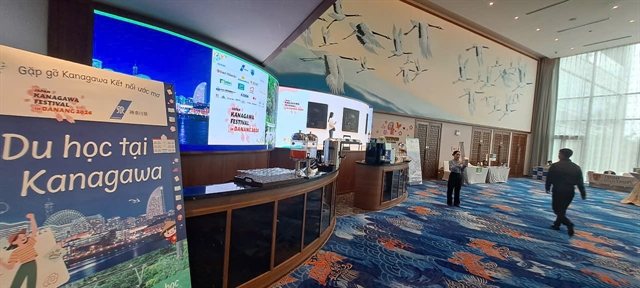
Da Nang just hosted the fifth Kanagawa Festival, and the numbers behind it are worth a look. The sister event — the Vietnam Festival in Kanagawa, held annually in Japan since 2015 — has drawn more than 2.6 million visitors over the years, and Kanagawa is now home to around 45,000 Vietnamese students and workers. The friendship works both ways.
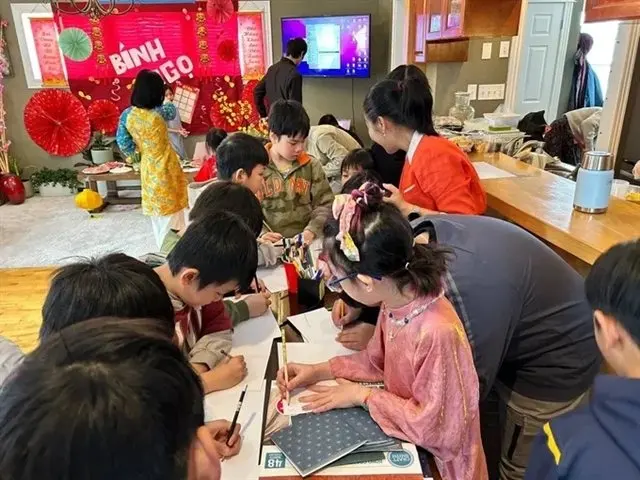
At this year's edition, Imai Akira, director general of the Kanagawa Prefectural Government's Culture, Sports and Tourism Bureau, made the pitch directly to young Vietnamese: Kanagawa wants to be a destination for studying and working, not just a name on a map. The festival first appeared in Hanoi in 2018 and launched in Da Nang in 2023, giving high school and university students a stage for Japanese-language eloquence and presentation contests. Two new Japanese language classes have also just opened at Nguyen Luong Bang Junior High School in the city.
The diplomatic weather is favourable, too. Vietnam and Japan upgraded relations to a Comprehensive Strategic Partnership in 2023, and this year saw a rare double: Japanese Prime Minister Takaichi Sanae visited Vietnam in May, followed by Vietnam's General Secretary and President To Lam travelling to Japan in November, timed with Kanagawa's tenth-anniversary Vietnam Festival in September and the prefecture hosting activities around the visit.
Da Nang is leaning in hard. The city already has cooperative ties with more than 20 Japanese prefectures and cities — including Yokohama and Kawasaki, both in Kanagawa — and wants deeper collaboration in education, IT, engineering, healthcare, language training and, crucially, tourism. Nearby Hội An keeps a replica of a Red Seal Ship (Shuinsen) as a reminder that Japanese traders were a fixture of central Vietnam centuries ago, and Hội An, Hue and Da Nang rotate annual Japan–Vietnam festival events.
The payoff is already visible in visitor numbers: a record 225,000 Japanese tourists arrived in Da Nang in the first half of 2026, and the city's tourism sector is actively chasing more. For travellers, that translates into more direct connections, Japanese-friendly services and a calendar of cultural exchange events that add something beyond the beach.
Why care? If you're a Japanese traveller, Da Nang is being rolled out as a red carpet for you — festivals, language signage and growing flight and hotel infrastructure tuned to your market. If you're a Vietnamese traveller eyeing Japan, Kanagawa is positioning itself as an accessible alternative to Tokyo: Yokohama's harbour, Kamakura's temples and the Hakone hot-spring country are all within easy reach, with a local community that already knows and welcomes Vietnamese visitors.
For everyone else, it's a useful signal about where central Vietnam is heading: a beach city deliberately cultivating one of Asia's most lucrative outbound markets, with cultural programming that gives you a reason to visit outside peak season.