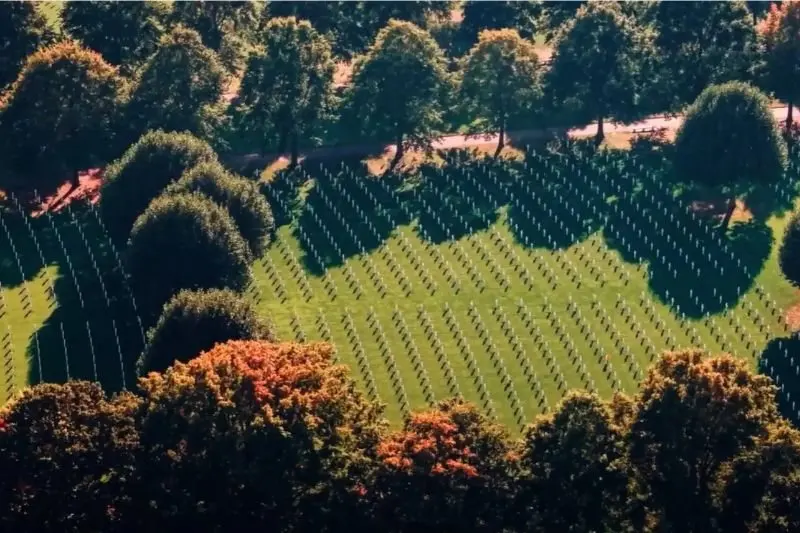
For US Army veteran Amy Roberts, a Holland America cruise with a Norway itinerary became something far bigger than a holiday. The line shared her story on Veterans Day: after sailing, Roberts travelled to the Netherlands American Cemetery in Margraten to stand at the grave of her uncle, Edward A. Reinehr, who was killed in World War II.
The trip carried generations of weight. Her late father had always wanted to make the journey himself but never did, and Roberts was the first member of the family ever to visit the cemetery in person.
What she found there added an unexpected layer to the visit. For decades, a Dutch man named Eduard has looked after her uncle's grave through the cemetery's Forever Promise tradition, which has now run for 80 years. Under it, local families adopt the graves of American soldiers, tending them and honouring the fallen on holidays. Meeting Eduard gave Roberts a connection to the uncle she never met — through a stranger an ocean away who had spent years caring for his memory.
The trip also meant something personal as a veteran herself. Roberts has her own history of service, and the line noted the visit gave her space to reflect on both her own time in uniform and a family sacrifice that happened long before she was born.
There's a creative thread to the story too. Earlier this year, Holland America partnered with the United States Veterans' Artists Alliance and Crane Stationery on a set of 12 commemorative cards, and Roberts was one of three veteran artists involved in that project.
Why does this matter to travellers? Because it's a reminder that cruise itineraries can be starting points for deeply personal journeys, not just sightseeing loops. Margraten is the largest American military cemetery in the Netherlands, holding the graves of thousands of US service members, and it's reachable as a day trip from ports and cities in the Low Countries. For anyone with American family history tied to the liberation of Europe, the Forever Promise adoption tradition also means every grave has been quietly cared for by local families — something many visitors don't know until they arrive. If you have relatives buried there, the American Battle Monuments Commission can help locate a specific plot before you go.