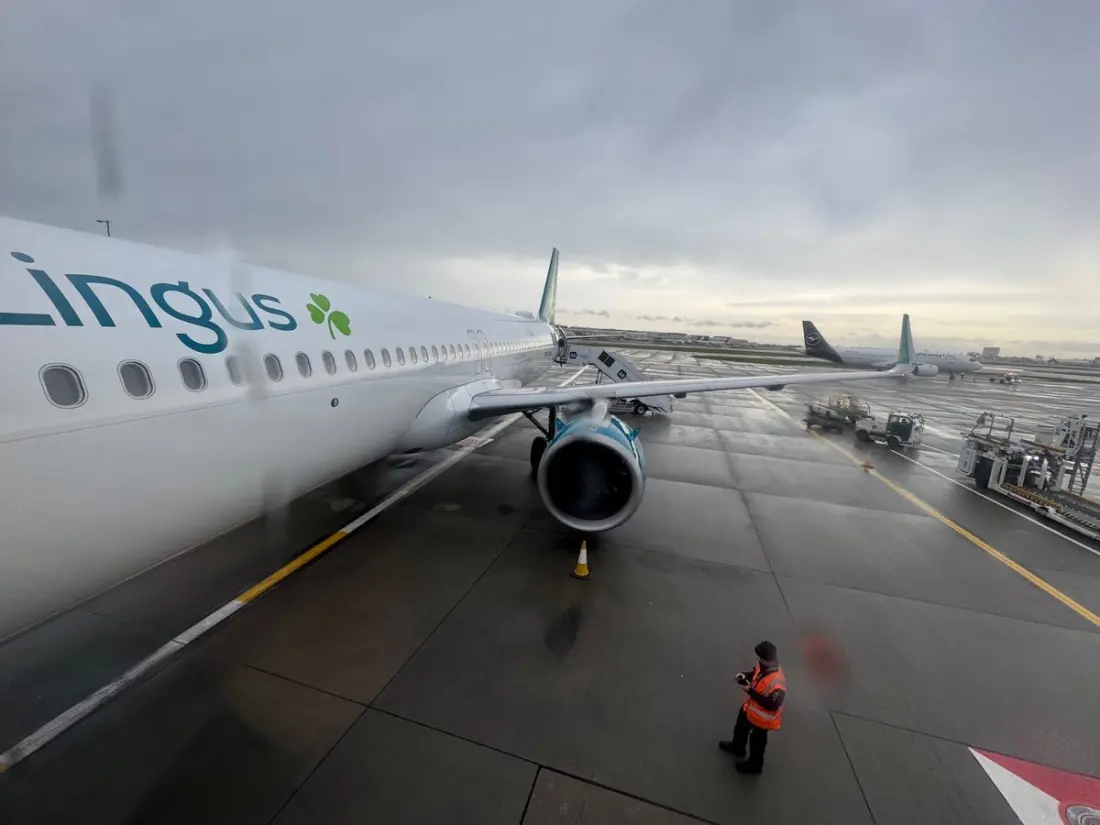
An Aer Lingus flight from Dublin to Rome never made it past France on 5 November. After a bomb threat aboard the Airbus A320 operating route EI402, the aircraft was escorted by French fighters to Évreux-Fauville, a military airfield in Normandy. No explosives were found, the plane eventually flew back to Dublin — but the story did not end there. Both pilots have since been questioned, and a French prosecutor has opened a criminal investigation into how they responded to the diversion order.
The dispute centres on one question: were the pilots refusing instructions, or doing their job? Three pilot bodies — the European Cockpit Association, the Irish Air Line Pilots' Association and French union SNPL — issued a joint statement arguing the crew lacked the charts and operational data needed to land safely at a military field they had never planned to use. They requested a more suitable airport, the unions say, and were refused. ECA vice-president Captain Paul Reuter summed up the concern: pilots should not be treated as a threat by the very authorities whose help they need.
French officials tell it differently. The prime minister's office says fighters were scrambled because the pilot did not cooperate as expected, and Évreux prosecutor Rémi Coutin told The Irish Times that investigators are examining whether initially declining the landing instruction could constitute an offence. No charges have been filed. Aer Lingus, for its part, has backed its crew, describing their conduct as impeccable and thoroughly professional.
Why should anyone who flies care? Because a runway that fits an A320 is not the same as a runway a crew can safely land on. Approach procedures, aircraft performance data and current conditions all matter, and a fighter escort cannot supply them. If the union account is correct, a captain asking for an airport where he could actually brief a proper approach is exactly the sort of judgement passengers should want in the cockpit — not the sort that triggers a prosecution.
There is also a wider point about aviation culture. Pilot unions in Europe have already flagged worries that crews fear speaking up about fatigue or safety concerns. If exercising professional judgment during an emergency now carries personal legal risk, the incentive is to comply quietly rather than push back — and that should trouble every passenger. None of this excuses a genuine refusal to cooperate, and the cockpit recordings and radio traffic should settle what was actually said. But taking a bomb threat seriously, as authorities rightly did even though nothing was found, should include taking the pilots' landing concerns seriously too. Those pilots deserve answers, not charges.