September is Heritage Month in South Africa, and the country's culinary scene is treating it as more than a nostalgia exercise. The spotlight is on how classic dishes — pap and morogo, Durban curry, potjiekos, bobotie, vetkoek, koeksisters and the obligatory braai — keep evolving as chefs and home cooks add new chapters.
Unilever Food Solutions South Africa is behind much of the current conversation, with marketing director Yonela Motloung arguing that heritage food isn't a fixed set of recipes but a living culture. That idea underpins the "Culinary Roots" trend in the company's Future Menus 2026 report, which looks at how ancestral recipes and indigenous ingredients can stay relevant to modern diners rather than sitting in a museum case.
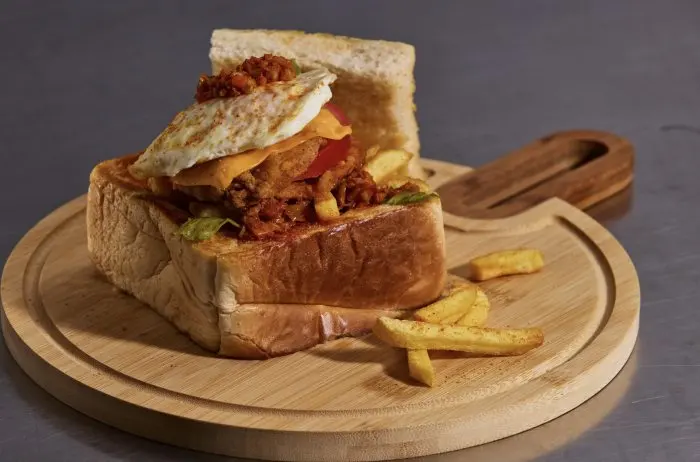
The examples are the fun part. Chef Latoya Marivate has reworked the kota — the beloved township street food built in a hollowed-out quarter loaf — with crispy breaded chicken, spiced chips, cheese, egg and atchar mayonnaise. Chef Kimrishka Govender uses sorghum, one of Africa's oldest cultivated grains, as a malty honey glaze for slow-braised short rib. Rooibos and honeybush tea turn up as smoking mediums for chicken, and buchu, a local botanical with blackcurrant and mint notes, brings freshness to a honey cheesecake.
Comfort classics are shifting too: oxtail braised slow and served with butter bean mash and atchar oil, umfino (maize meal and greens) reimagined as a crust for short rib, milk tart infused with rooibos so the custard needs less sugar, and a hybrid dessert that merges milk tart with malva pudding.
For travellers, this is a genuine reason to plan a trip around eating. South Africa's restaurant and street-food scene is one of the few places where you can taste the collision of indigenous, Cape Malay, Dutch, Indian and African traditions on a single menu — and Heritage Month is when that story gets told loudest, from township kitchens to fine-dining rooms in Cape Town and Johannesburg.
If you want to eat your way through it, go beyond the braai. Hunt down a kota from a local spaza or street vendor, order a proper Durban curry, and look for restaurants working with indigenous ingredients like sorghum, rooibos and buchu — increasingly a signature of the country's new-wave chefs. You'll taste both the past and, as Motloung puts it, a heritage that belongs in the present.
The Future Menus 2026 report is available as a free download for anyone who wants the full trend breakdown.
Story via Breaking Travel News.