Four European flights were hit by bomb threats on Tuesday, sending airports into emergency protocols and one Warsaw airport into full shutdown — though every aircraft landed safely and no explosives were found anywhere.
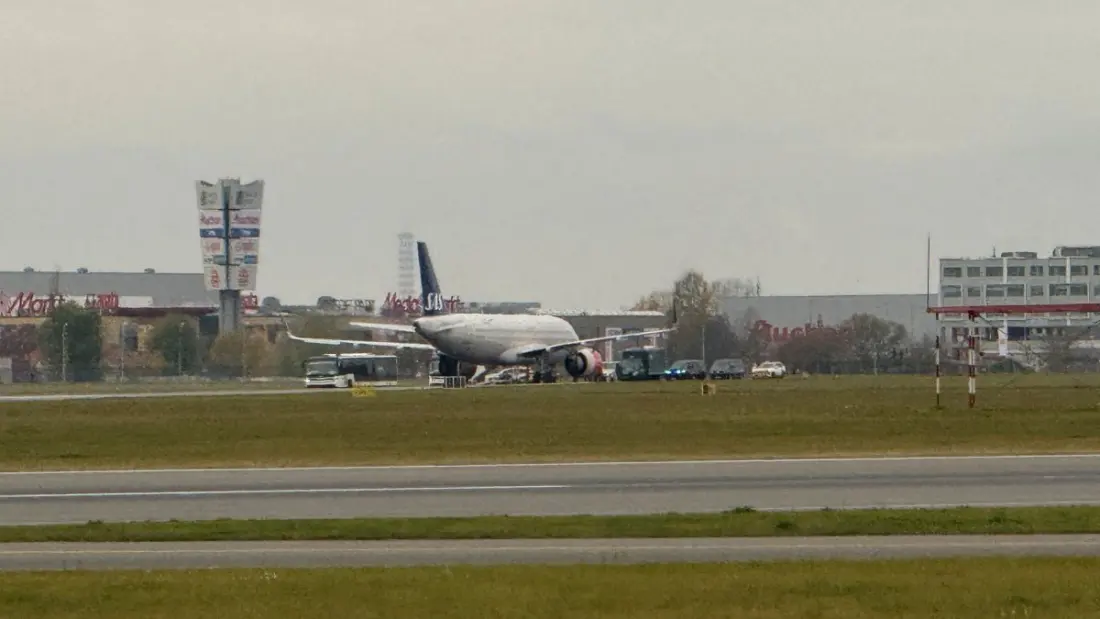
Two of the alerts targeted flights heading for Poland's capital. An SAS flight from Copenhagen to Warsaw Chopin Airport landed normally after the airline confirmed a threat against the route, and the runway was temporarily closed for a security inspection of the aircraft. A LOT Polish Airlines Boeing 737 MAX flying in from London Heathrow was diverted to Warsaw-Modlin, the city's secondary airport, which was closed outright while passengers evacuated and the plane was checked. Modlin's spokesman, Adam Szablowski, confirmed nothing was found and the airport soon reopened.
In Spain, airport operator Aena activated an emergency protocol after a bomb alert on a Ryanair flight from Manchester to Murcia in the country's southeast. The flight landed without incident and the Civil Guard stood down after checks. Elsewhere, a Wizz Air flight from Bergamo in Italy was inspected after landing in Sofia, Bulgaria's capital, according to the Interior Ministry.
Tuesday's disruption wasn't an isolated day, either. On Monday, a Wizz Air flight from London Luton to Sofia was diverted to Budapest after a bomb threat, prompting NATO's air defense alert service to trigger a scramble. Hungary's defence minister said Gripen fighter jets were airborne within minutes to escort the aircraft to a safe landing. A day earlier, an Austrian Airlines flight from Tel Aviv to Vienna was rerouted to Bulgaria following a similar threat, again with no explosives found.
For anyone flying in Europe this week, the practical takeaway is mostly reassurance: these incidents, while disruptive and alarming, all ended without harm. But they do carry real knock-on effects for travellers — diverted flights, closed airports and missed connections. If you're flying into or out of Warsaw, note the city has two airports, Chopin and Modlin, and diversions between them are possible during security events. Passengers on affected flights in these cases typically face long waits on the tarmac or in terminals while inspections happen, so building buffer time into connections and knowing your air passenger rights on delays and rerouting is worth a few minutes of preparation.
The pattern of threats across multiple countries and airlines — SAS, LOT, Ryanair, Wizz Air and Austrian among them — suggests a coordinated hoax campaign rather than targeted risks to specific routes. European authorities have responded with visible efficiency: fighter escorts, rapid inspections and airports reopening within hours. Travellers should expect heightened security activity but no need to change plans.
Daily Sabah Travel