The 2026 midterms weren't just about Congress. On November 3, voters across several states decided how public land, parks, and waterways will be funded and managed — and the results will shape everything from trail maintenance to beach access for years to come.
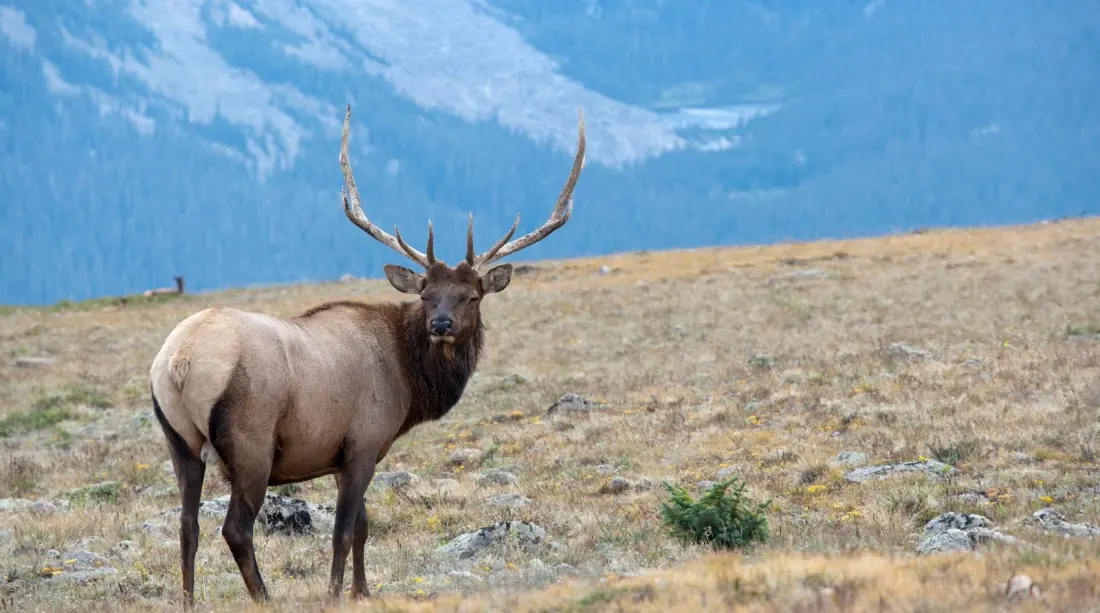
The most closely watched contest was Colorado's Amendment 83, which would have written a constitutional right to hunt, fish, and harvest wildlife into the state constitution and made those activities the preferred tools for managing game species. The measure failed. Critics noted it never defined what counted as "traditional methods," and its defeat leaves wildlife policy with the legislature and Colorado Parks and Wildlife, preserving the current regulatory system.
Colorado also has a second measure, Proposition 137, still awaiting final counts. It would redirect roughly $175 million a year in existing sporting-goods sales tax toward wildfire mitigation, watershed protection, wildlife habitat, state parks, and trail upkeep. The catch: that money currently gets refunded to taxpayers, so approval could mean smaller refunds in some years.
Massachusetts took a different route, approving a new Nature for All Fund that taps sales taxes from sporting goods, RVs, and golf courses. It could pull in up to $65 million annually for forests, waterways, habitat, parks, and trails — and unlike typical state revenue, unspent money stays in the fund rather than returning to the general budget.
South Carolina's Charleston County backed a half-cent sales tax projected to raise up to $4.25 billion over 25 years, with $690 million earmarked for open space, split evenly between urban and rural projects. That means new parks, preserved farmland, better water access, plus bike and pedestrian paths through its transportation budget.
Down on Florida's Gulf Coast, Sarasota County voters approved a pair of measures: extending a property tax through 2049 and authorising up to $250 million in borrowing for conservation land, with the tax covering loan repayments. The combo protects wetlands, forests, and parks in a county under constant development pressure.
In California's Napa County, a half-cent sales tax — an estimated $23 million a year over 18 years — will split funding between wildfire preparedness and the county's Regional Park and Open Space District, paying for brush clearing, watershed protection, and park maintenance. Results were still pending at publication.
Rhode Island delivered the clearest win for travellers: a $55 million Green Economy Bond that funds state parks, beaches, and campgrounds ($12 million), Narragansett Bay restoration ($7 million), open space ($3 million), boating facilities, and $25 million for communities facing flooding and coastal erosion.
Why it matters: these measures decide the practical stuff holidaymakers actually use — maintained trails, open beaches, campgrounds, and protected coastline. If you road-trip through Colorado, bike in Charleston, or camp in Rhode Island, the quality of that trip was on the ballot.
Credit: Outside Online