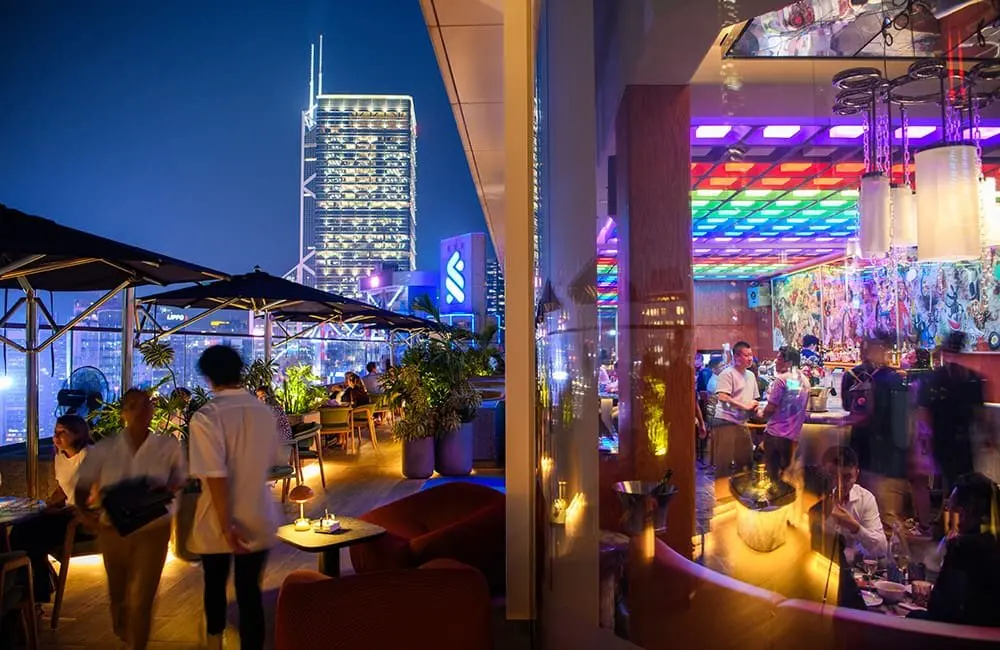
Hong Kong has long been the ultimate stopover — a night or two of dim sum and shopping between flights. The city's government is now on a mission to change that, with a five-year tourism blueprint running to 2030 that aims to turn quick transits into proper holidays.
The plan, unveiled by Chief Executive John Lee, rests on three pillars: a year-round calendar of mega-events spanning sport, culture and entertainment; new tourism products that go beyond the city's traditional dining and retail draws; and a general lift in visitor experience and service quality. The goal is simple — get travellers to stay longer and spend more.
Sport is a big part of the pitch. The Kai Tak Sports Park, the city's new flagship venue, has already hosted more than 170 local and international events and drawn over 2.6 million spectators, giving Hong Kong the capacity to stage a genuine international events program rather than one-off spectacles. Lee also framed the city as a meeting point for Chinese and international arts, pledging to bring in more overseas exhibitions and performances.
The numbers suggest the timing is right. Hong Kong welcomed roughly 36.67 million visitors in the first eight months of 2026, up about 11 per cent year-on-year. Australian arrivals are growing even faster — up 20 per cent in the first half of 2026 — helped along by the Hong Kong Tourism Board's recent 'Only in Hong Kong' rebrand.
For Australian travellers, the upshot is practical: more reasons to build a Hong Kong visit around something specific, whether that's a concert, a sporting fixture or a festival, rather than using the city purely as a gateway. Direct flight capacity from Australia is strong, and Hong Kong pairs easily with wider Asia itineraries — but the destination is now actively competing for your full week instead of your layover. Expect a steady roll-out of new experiences and event-led reasons to book, with repeat visits explicitly part of the strategy's design.