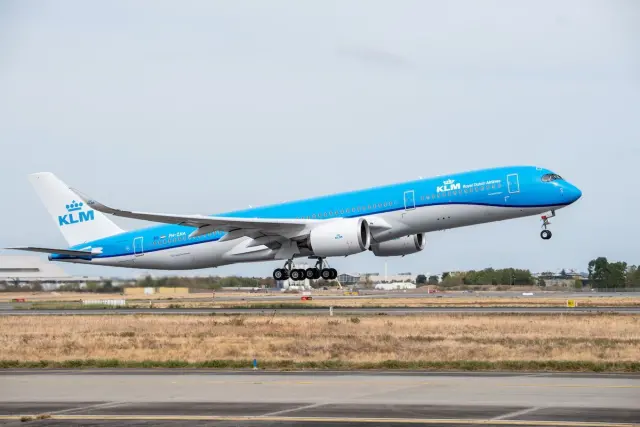
A flight from Amsterdam to Curaçao turned around over the Atlantic in mid-September after a passenger's portable charger caught fire on board. The crew managed the flames, landed safely back in the Dutch capital, and one person was hurt — but the ripple effects were far larger than the device that caused them.
The Boeing 777 operating KLM flight 735 stayed out of service until September 20, hundreds of passengers needed overnight accommodation, and a chain of cancellations followed. Weeks later, on November 4, the Dutch Safety Board opened an independent investigation into what happened. Adding a strange twist, Dutch media reported the charger allegedly belonged to Camiel Eurlings — KLM's own former chief executive. The airline has not named the passenger and Eurlings has not commented, but the identity question is really a side story. The main one affects anyone who travels with a phone, laptop or tablet.
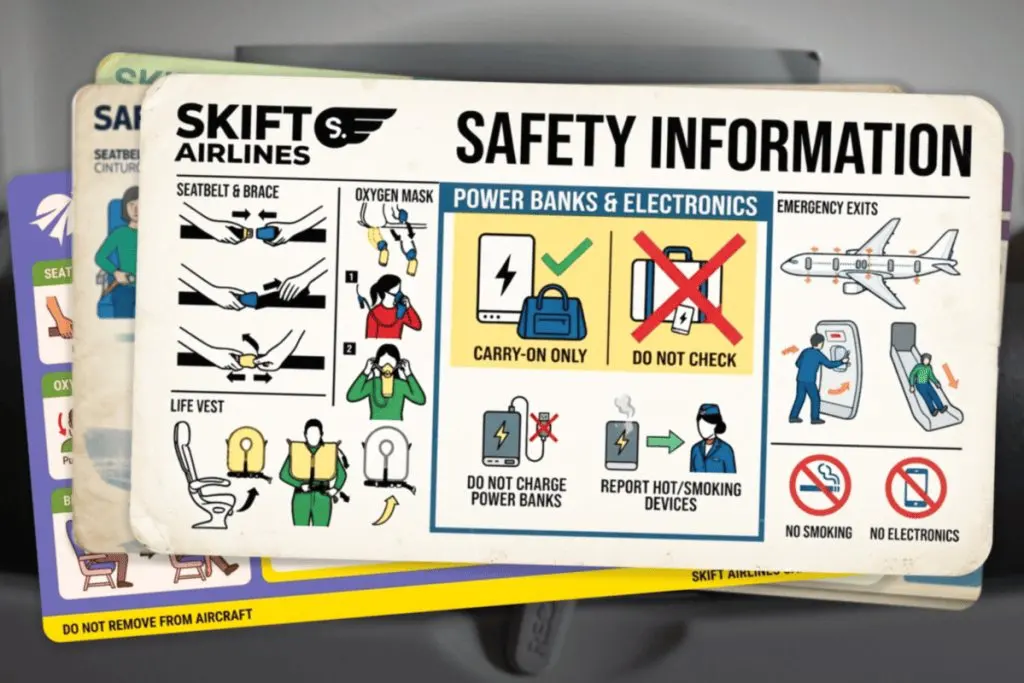
Lithium-ion batteries — the cells inside power banks, vapes and most portable electronics — can overheat, ignite and burn fiercely, and at altitude there is no easy way to walk away from a fire. This is why airlines require spare batteries and power banks to travel in carry-on luggage rather than checked bags: a fire in the cabin can be spotted and smothered, while one in the hold is much harder to reach mid-flight. Power banks are usually capped at a wattage limit, and many airlines now ban their use in-flight altogether — you can carry them but not charge devices from them.
Regulators have been tightening rules as incidents climb, with some carriers insisting power banks stay visible and accessible at your seat, and several airlines restricting them to one or two per passenger. Cheap or counterfeit chargers with uncertified cells carry the highest risk, especially swollen, dented or heat-damaged ones.
For holidaymakers, the practical takeaways are simple. Buy power banks from reputable brands with proper certification, keep them in your cabin bag rather than checked luggage, never leave one charging unattended under a seat or blanket, and check your airline's specific policy before flying — rules vary and enforcement is getting stricter. If a battery ever looks swollen, smells odd or feels hot, don't take it flying at all. A £20 accessory is not worth a U-turn over the Atlantic, a night on an airport floor and a very awkward conversation with your insurer. As this KLM case shows, it doesn't matter whose bag the charger is in — the whole cabin shares the consequence.