A cemetery is an unusual entry on most holiday itineraries, but Genoa's Cimitero Monumentale di Staglieno makes a strong case for the exception. Covering more than a square kilometre, it ranks among the largest cemeteries in Europe, and since opening in 1851 it has become famous less for who is buried there than for how they are memorialised.
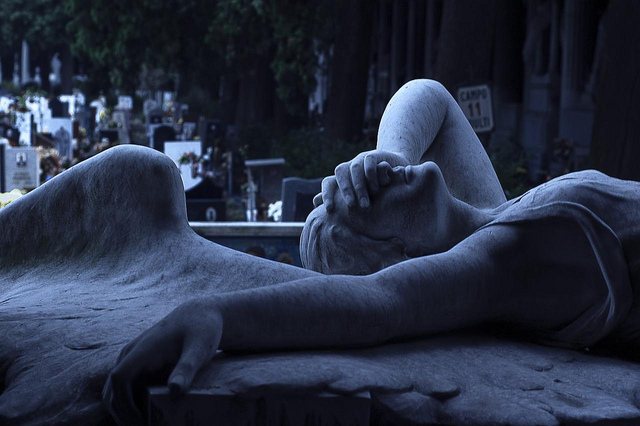
The sculpture here is extraordinary. Tombs are carved into elaborate marble scenes: grieving angels, life-sized figures of the deceased, widows draped in stone, allegories of death, love and loss. Many of the 19th and early 20th-century works were produced by noted sculptors of the day, and the result is an open-air gallery of funerary art unlike anywhere else in Italy.
Staglieno came about because of a practical problem. Napoleonic-era rules barred burials inside city churches and walls, so Genoa commissioned a purpose-built cemetery in the Staglieno valley, designed by city architect Carlo Barabino (completed after his death by Giovanni Battista Resasco). The 1851 opening date fits neatly into a period when many European cities were building grand 'monumental' cemeteries, but few reached this scale or artistic ambition.
Wandering the arcades and terraces, you pass through a cross-section of Genoese society: shipping magnates, writers, politicians, ordinary families whose tombs still show the care of grieving relatives. The English Cemetery section within the grounds holds graves of British residents and visitors, and the site also drew admirers beyond Italy — Friedrich Nietzsche famously visited Staglieno in 1886, and figures such as Mark Twain noted its impact.
Why include it in a trip? Genoa often plays second fiddle on the Ligurian coast to the Cinque Terre and Portofino, so travellers spend a night or two here without much planned. Staglieno fills a half-day perfectly, and it sits a short bus ride from the centre — close enough to pair with Genoa's aquarium, Rolli palaces and the old port in the same visit. Bring a camera; the marble, the arcades and the shifting light through the colonnades reward slow walking.
There's also the simple human appeal. Unlike a museum, this is still a working cemetery where families come to mourn, so the atmosphere is one of quiet reflection rather than spectacle. The scale — over a square kilometre — means you can wander for hours and still miss whole sections.
If your idea of travel includes places that say something about how people live and remember, Staglieno belongs on the list alongside Genoa's better-known sights. It is moving, a little melancholy, and genuinely beautiful — and it costs nothing to explore.