Riyadh usually hits its stride in the last three months of the year. Corporate travel, conferences, exhibitions and entertainment events fill the Saudi capital's hotels through the fourth quarter, making it the strongest stretch on the calendar. This year, that peak has effectively evaporated.
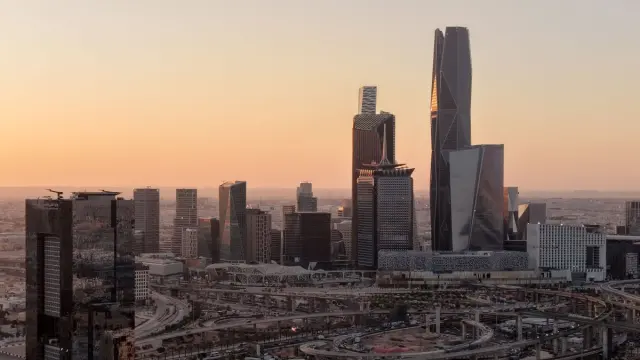
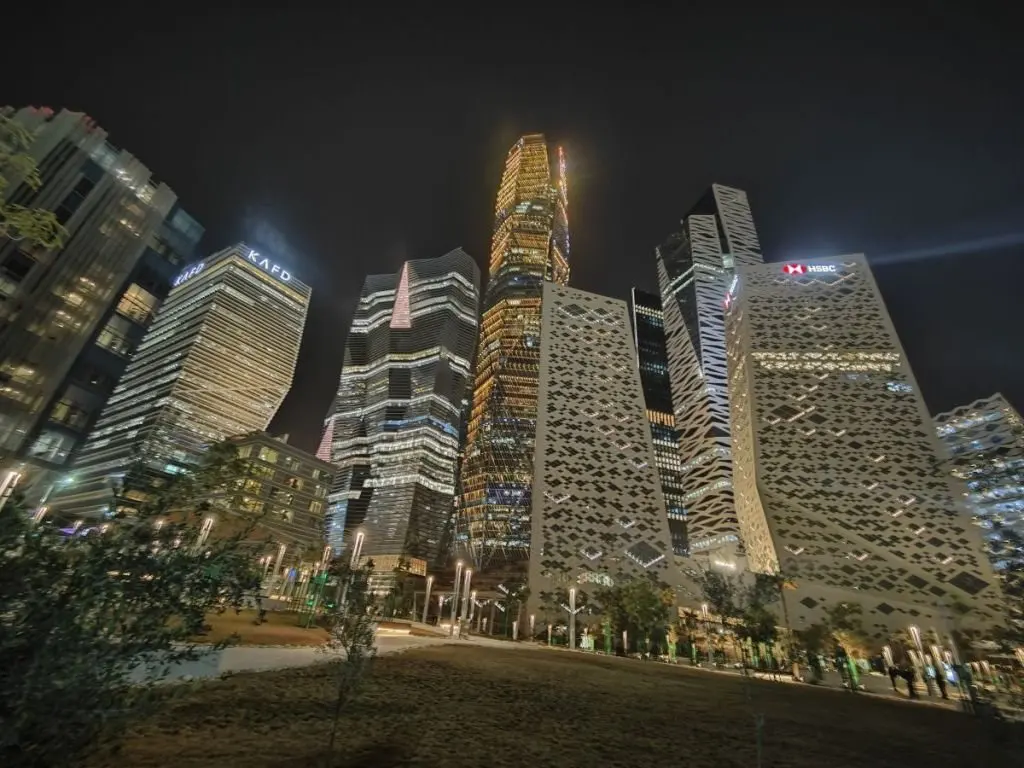
The trouble began in October, when Iran-backed Houthi forces attacked King Khalid International Airport, cutting inbound flights right as high season was getting underway. Attacks have continued since, including a strike on November 24 that hit King Abdullah Financial District — the gleaming downtown zone that anchors much of the city's business and events traffic. The pattern, according to Ameneh Mehvar, Middle East senior analyst at conflict-monitoring group ACLED, suggests the Houthis are deliberately targeting economic assets, not just oil infrastructure and exports.
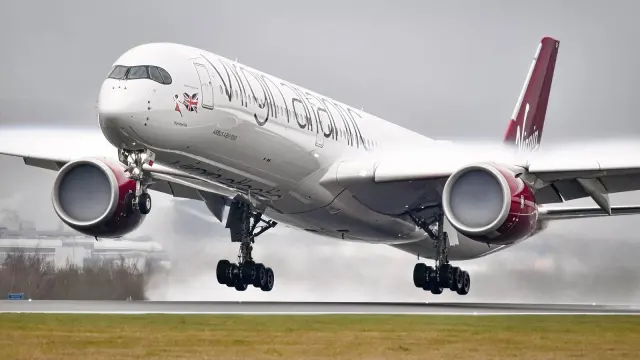
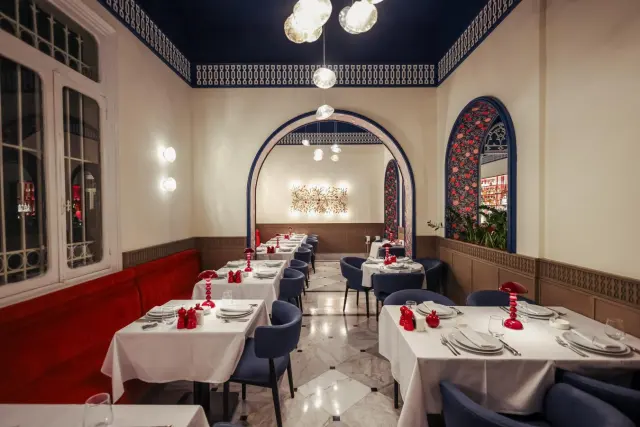
The consequences are visible across the city's events scene. Foreign airlines have pulled back, international visitors have stayed away, and organizers have shelved or scaled down gatherings. Turab Saleem, a hospitality consultant, told Skift that November and December look weak precisely because the local, regional and international events that drive fourth-quarter demand simply aren't happening. For hoteliers who had built the year's hopes on a packed autumn calendar, it's a painful reversal.
For travellers, the practical picture is this: Riyadh is normally a straightforward, safe-feeling business and leisure destination, but the security situation around the capital is currently volatile. Flight schedules to and from King Khalid International Airport have been disrupted, and events you might have planned a trip around — conferences, exhibitions, festivals — may not go ahead or may have lost their international lineup. Anyone with bookings in the city should check directly with their airline and event organizer, and review their government's latest travel advisories before committing.
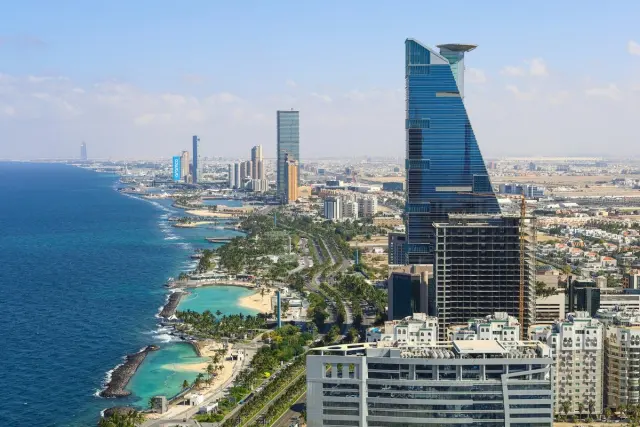
If your trip is flexible, this is a season to watch rather than book. Riyadh itself remains open, and hotel rates may well soften as occupancy drops, but the risks — sudden airspace closures, cancelled events, heightened regional tension — are real. Travellers with onward plans in Saudi Arabia (a Red Sea coast trip, a visit to AlUla) may want to route through other gateways such as Jeddah, which is farther from the Houthi strike patterns affecting the capital, though no destination in the region is entirely insulated from the wider conflict.
The bigger takeaway: Riyadh's peak-season slump shows how quickly conflict spillover can hollow out a travel market. When strikes start hitting airports and financial districts, the corporate and events travel that anchors a city's hotel economy is the first thing to go — and the last thing to return.