Two years ago Saudi Arabia was the OECD's fastest-growing tourist destination since the pandemic, with arrivals up 67 per cent on pre-pandemic levels. Now the kingdom's push to become the Middle East's next leisure powerhouse is being tested by war.
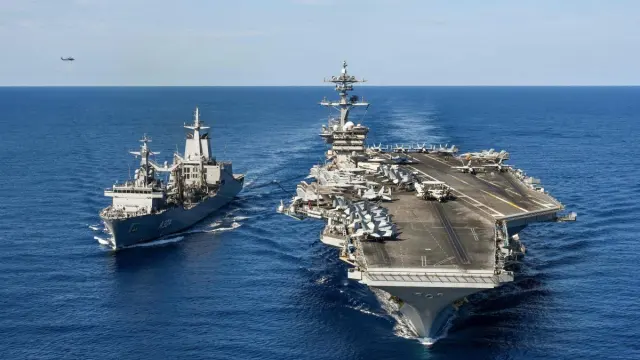
The trouble escalated this year. After conflict involving Israel, the US and Iran broke out, Iranian forces struck Saudi oil refineries, military bases and airports. Then in July fighting resumed between the Iran-aligned Houthis and the governments of Yemen and Saudi Arabia. In October, Houthi missiles and drones hit Riyadh's King Khalid International Airport in the deadliest attack on the kingdom in over a decade, killing at least 13 people. The UK now advises against all but essential travel to almost the whole country, the US has a level-three "reconsider travel" advisory, and Lufthansa, Qatar Airways and Air France are among the carriers that suspended Riyadh flights. Virgin Atlantic had already scrapped its London-Riyadh route in April, and BA suspended flights until early November. During 8-25 October, roughly 86 per cent of scheduled flights at Riyadh's airport were cancelled.
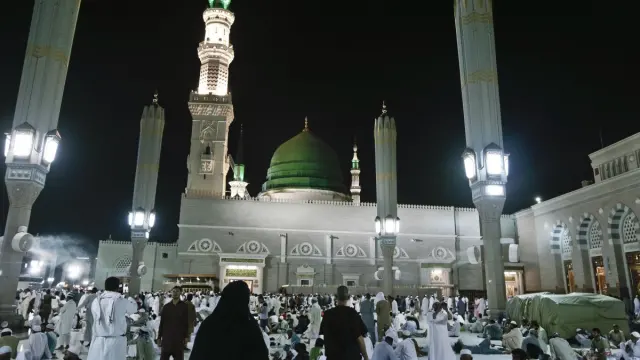
The numbers were impressive before all this. Saudi Arabia only started issuing tourist visas seven years ago, yet it drew 29.3 million inbound visitors in 2025 — nearly half for religious travel to Mecca, about 24 per cent for leisure. Tourism contributed five per cent of GDP in 2025, up from three per cent in 2019, with a government target of 10 per cent by 2030. But the first quarter of this year saw international arrivals fall 13 per cent year-on-year, cushioned somewhat by domestic travel, which rose 16 per cent.
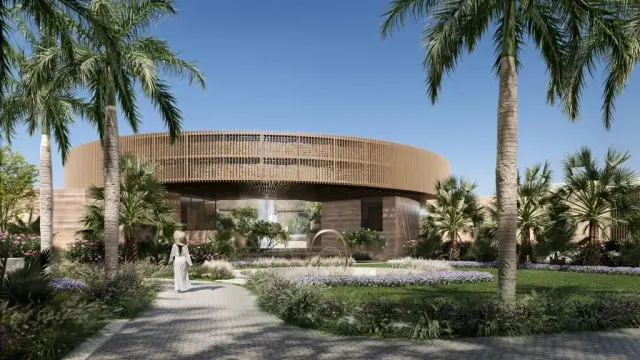
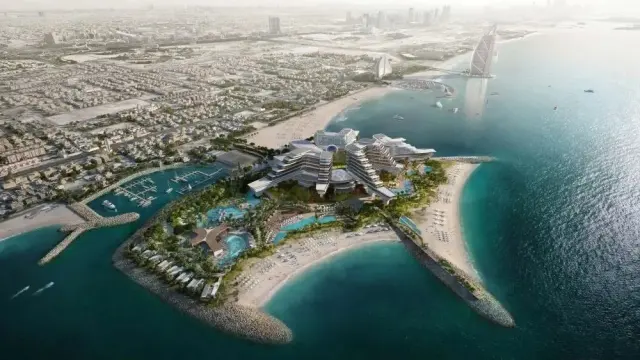
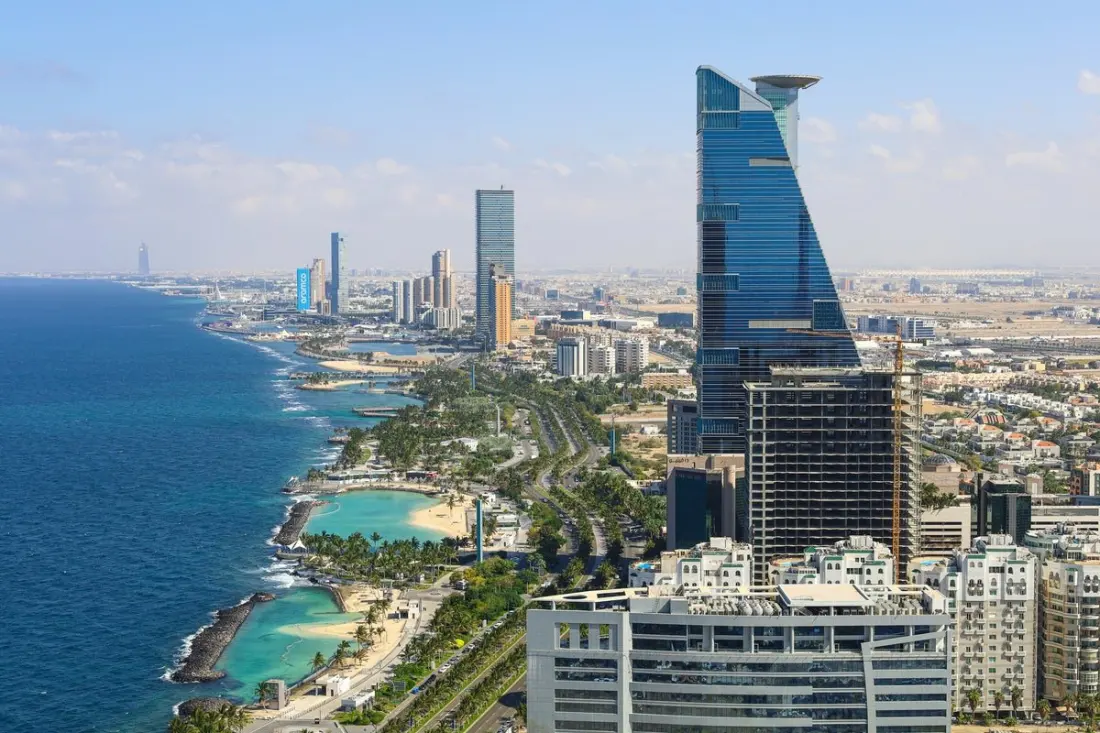
The stakes are high. Vision 2030 is the kingdom's plan to build an economy beyond oil, and tourism is central to it. The Red Sea coast has become a luxury eco-tourism play, with more than 50 international hotel brands opening properties in five years, plus the high-end wellness resort Amaala in the works. Private money is funding developments at the AlUla heritage site, Jeddah's waterfront and mountain retreats in Aseer, while the sovereign wealth fund backs headline gigaprojects: Diriyah, the entertainment city Qiddiya and the futuristic Neom. Those projects were already wobbling — The Line's 170km mirrored megacity has been scaled back, and the Trojena ski resort has been reined in.
Security analysts suggest the government will press on regardless, partly to avoid handing the Houthis a psychological win and to signal it remains open for business. For travellers, the picture is simple: a country that was rapidly opening up to tourism is now, for the moment, off most itineraries. Check your foreign office advice before considering any trip, and keep an eye on how the Red Sea resorts and new Riyadh Air routes fare as conditions evolve.