A free app and a phone camera are all it takes to make your next South African holiday count for science. The Great Southern BioBlitz, running 27 to 30 November 2026, invites anyone in the Southern Hemisphere to photograph wild plants, animals and fungi during the spring flush — and upload the results to iNaturalist, where researchers and hobbyists crowdsource the identifications.
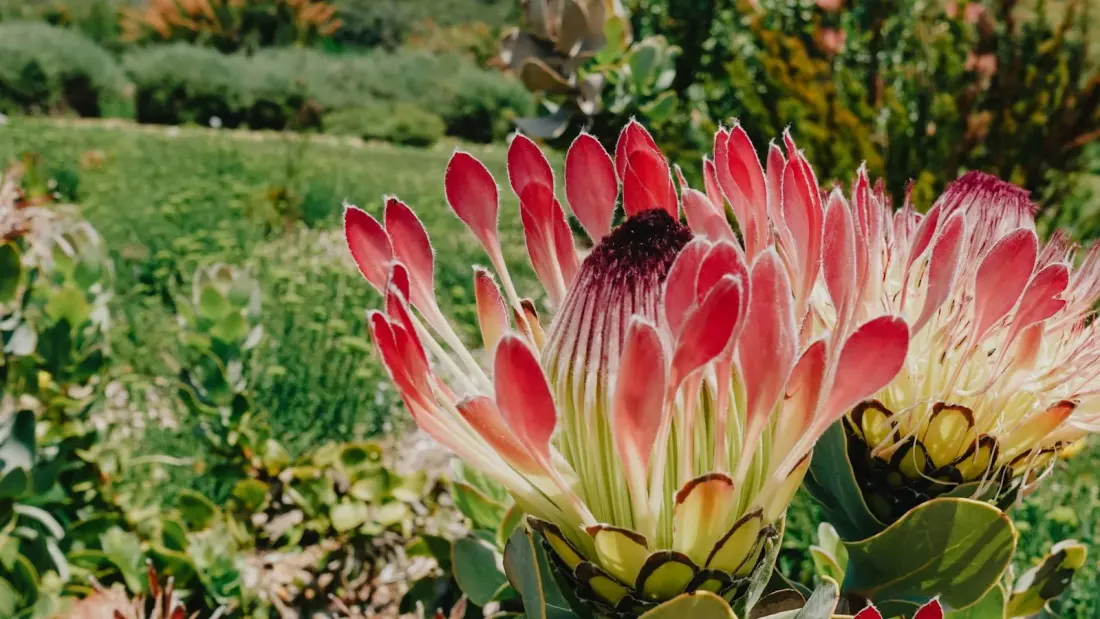
The concept is called a bioblitz: a concentrated push to log as many species as possible in a set place and time frame. There's no expertise requirement. You don't need to know a protea from a pincushion — you snap what you see, note the date and location, and upload it. The iNaturalist community and its automatic identification tools take it from there. After the four-day observation window, you get an extra two weeks, until 14 December, to upload photos and help identify other people's finds.
South Africa has several dedicated regional projects you can join, including Cape Town, the Lowveld in Mpumalanga, Nelson Mandela Bay and the KwaZulu-Natal South Coast. Good hunting grounds include Kirstenbosch National Botanical Garden for Cape Floristic Region endemics, urban reserves like Rondevlei and Tygerberg for wetland and fynbos species, and Addo Elephant National Park, where the non-elephant cast — birds, reptiles, insects, plants — is just as worth recording. Check your chosen regional project's boundaries before submitting so your observations land in the right bucket.
A few ground rules keep the exercise genuinely useful. Take clear photos of identifying features without disturbing the subject: no picking flowers, flipping logs, approaching nests or using flash on sensitive wildlife. Stay on paths in protected areas. If you can't tell what something is, don't guess — leave the ID open. And if you stumble on something rare or threatened, consider obscuring the exact location, since public coordinates can attract the wrong kind of attention. Common species matter too; records of ordinary birds and weeds help build a fuller picture of what's thriving where.
For travellers, this is an easy add-on to any spring itinerary. Signing up takes minutes: create a free iNaturalist account before you go, practise uploading a few shots, then join your destination's project page. Over time, accumulated observations help scientists track where species occur, how distributions shift and where conservation attention is needed — a nice thought when that holiday butterfly photo turns out to be a data point.
First reported by Getaway South Africa.