Most travellers blow through Komatipoort at speed — it's the last South African town before the Mozambique border and a handy launch pad for Kruger's southern gates. But this corner of Mpumalanga has enough going on to justify an extra night or two, and the Komati River is the reason.
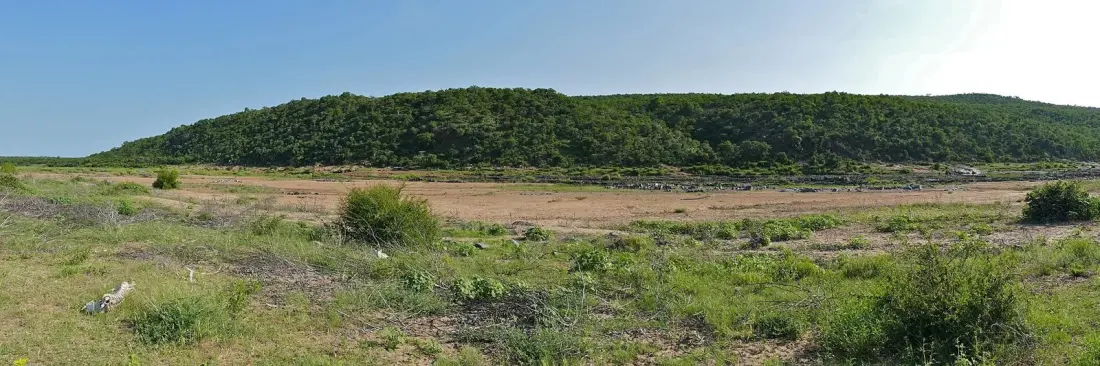
The town's name says it plainly: Komati plus the Afrikaans 'poort', meaning valley. It sits near where the Komati and Crocodile rivers converge, just before the water crosses into Mozambique. The Komati itself is a proper international traveller — it rises in Mpumalanga, loops through Eswatini, re-enters South Africa near the Mananga border, and finally flows into Mozambique's Incomati system towards Maputo Bay.
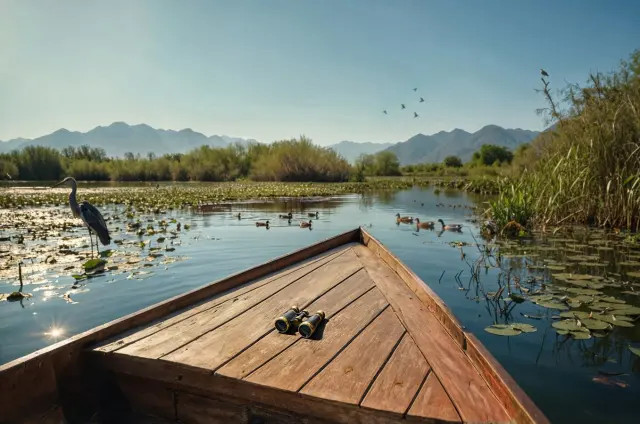
On the water, the main draw is fishing. The Komati holds tiger fish, fast and hard-fighting freshwater predators that keep anglers coming back. Komati River Adventures runs guided fishing trips from the banks and on pontoon boats, plus sunset and brunch cruises if you'd rather just float. One firm rule: hippos and crocodiles live here, so watch wildlife from the boat and never swim.
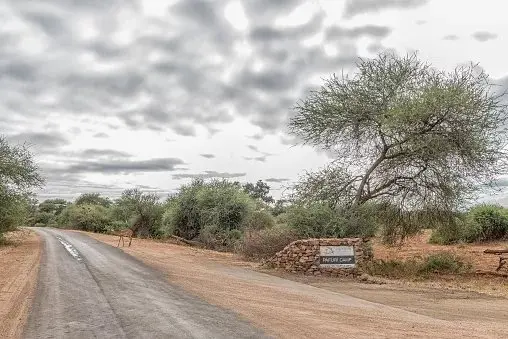
For game viewing, Crocodile Bridge Gate is only about 8km from town, giving quick access to southern Kruger and its reliable Big Five sightings — animals often cluster along the Crocodile River's banks. If you want something more demanding, the Lebombo Eco Trail is a guided 4x4 route of roughly 500km along Kruger's eastern boundary, running from Crocodile Bridge to Pafuri over five days. You'll need your own 4x4, camping kit and an advance booking with SANParks, and it only runs in the dry season, April to October.
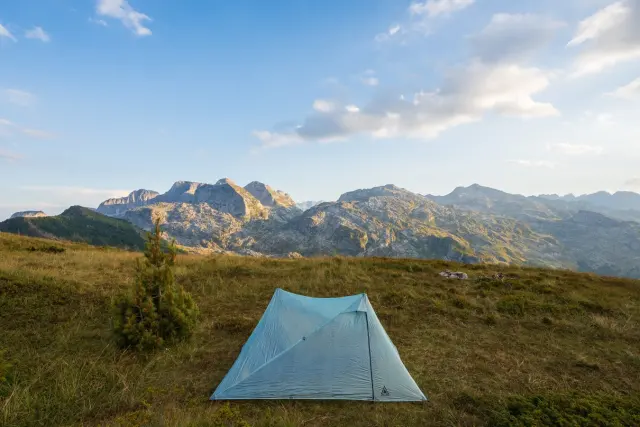
The Lebombo Mountains themselves are worth a detour. These low ridges line the border with Mozambique, and at Mbuzini you'll find the Samora Machel Monument, marking the 1986 plane crash that killed the Mozambican president. The memorial and museum give useful context on South Africa–Mozambique relations, and the wider area forms part of the Great Limpopo Transfrontier Park, which links Kruger with Mozambique's Limpopo National Park and Zimbabwe's Gonarezhou.
There's a serious side too. The river supports farms and communities along its length, and the Inkomati-Usuthu Catchment Management Agency's 2024/25 report flags rising phosphate levels and conductivity in parts of the catchment — one reason the three countries sharing the water are being pushed to cooperate. Enjoying the river and understanding its pressures go together.
The takeaway: Komatipoort works brilliantly as a base, but it's also a destination in its own right. Fish at dawn, cruise at sunset, enter Kruger minutes from your bed, then push east into the mountains for history most safari-goers never see.