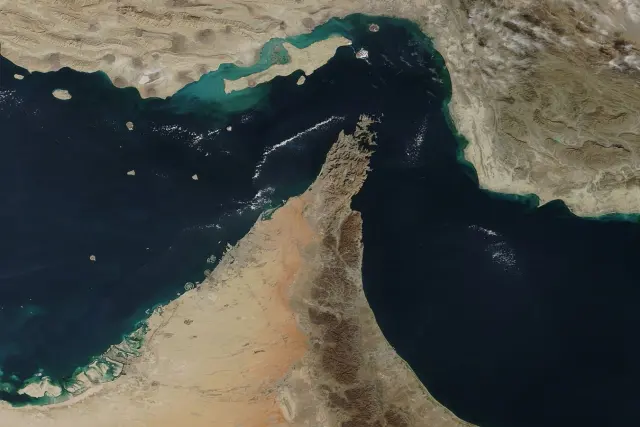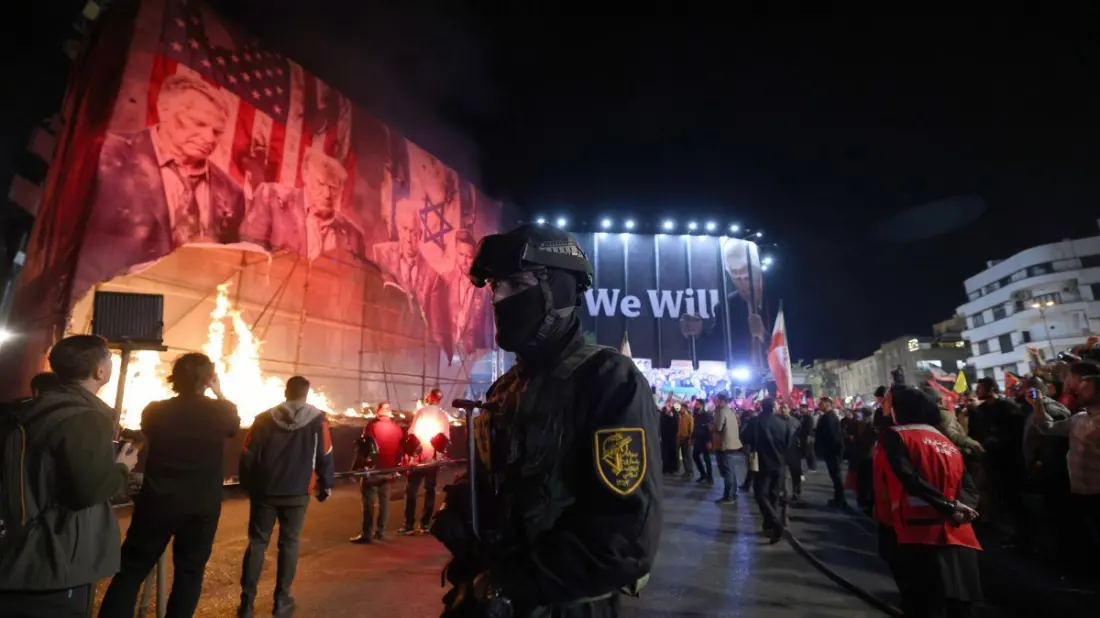
Tehran has put its two-day proposal for securing the Strait of Hormuz back in the spotlight, telling Washington it remains the clearest framework on the table. Foreign Ministry spokesperson Esmaeil Baghaei, speaking at his weekly press conference, said the time-bound plan is the most practical way to restore security to the waterway that carries a large share of the world's oil — but stressed that progress now depends on American political will.
Baghaei was keen to manage expectations: Iran has not sent the US anything new. The existing two-day plan stands as is. Iran's conditions are familiar ones — an end to the US naval blockade, a stop to the fighting, the release of frozen assets and the removal of sanctions imposed in recent months. Tehran claims Washington already accepted these points in the 14-point Islamabad memorandum brokered by Pakistan in June, and has since gone back on its word.
The backdrop matters. The current cycle of tension began with US and Israeli strikes on Iran on February 28, and diplomacy since then has leaned heavily on mediators Pakistan and Qatar, both of which Tehran thanked for their ongoing efforts. Implementation disputes and renewed military confrontations have repeatedly derailed a lasting settlement, leaving shipping through the strait under continuing restrictions.
On navigation, Baghaei's message was blunt: all vessels passing through the Strait of Hormuz must coordinate with Iranian authorities for safe passage. He blamed recent insecurity on US and Israeli military actions while insisting Iranian forces stand ready to respond to threats. Tehran also pushed back on the nuclear file, saying it remains an NPT member and has not dropped its International Atomic Energy Agency obligations — but that attacks on its nuclear facilities have made normal cooperation with the agency impossible. IAEA inspectors did recently visit the Bushehr facility, and Iran's Vienna mission stays in regular contact with the agency, even as Tehran criticised the Board of Governors and director general Rafael Grossi over their response to the strikes.
Why should travellers care? The Strait of Hormuz is the chokepoint between the Gulf and the open sea, and any escalation ripples outward quickly — affecting cruise itineraries in the region, regional flight routings, shipping costs and ultimately fuel prices worldwide. If you have a Gulf cruise, a Dubai or Doha stopover, or overland plans that touch Iran's neighbourhood booked for the coming months, this diplomatic back-and-forth is the variable most likely to change your plans. For now, the message from Tehran is that a deal exists on paper; the sticking point is whether Washington follows through.
The realistic read: expect continued uncertainty rather than a quick resolution. Iran says it will only sign and implement an agreement that fully protects its national interests, and mediators are still working the phones. Anyone travelling in or near the Gulf should keep monitoring advisories from their foreign ministry and their cruise or airline operator before finalising non-refundable bookings.
Credit: Daily Sabah Travel