Long-distance walking pilgrimages sound like non-stop trekking, but any seasoned Camino walker will tell you the rest days matter just as much as the big mileage. A recent diary from two pilgrims on the Camino Primitivo — the original route across northern Spain — shows what a couple of days off in Lugo actually look like, and why the city is worth more than a passing glance.
Lugo is famous for its intact Roman walls, a UNESCO-listed circuit you can walk end to end on top of. Our pilgrims started their first rest day by doing exactly that, circling the town along the ramparts in morning fog before heading to Lugo Cathedral. Timing matters here: arriving at 10am meant mass was underway, so they explored the cloister and the upstairs museum first, then saw the main hall afterwards. No photos are allowed inside, but the cathedral does stamp pilgrim credentials — and the stamp-keeper handed over a card of Nuestra Señora de los Ojos Grandes, the city's much-loved Virgin.
Culture fix number two came from the university museum across the road, which covers Roman history, the ruins of a domus (Roman townhouse), and the cult of Mithras — a reminder that this corner of Galicia was a Roman stronghold long before pilgrims started streaming through. Then came the small pleasures that rest days are made for: a specialty coffee shop serving strawberry matcha and biscoff cookies, lunch with fellow walkers featuring Galician octopus croquettes and tuna with rice, and even a sushi dinner. Yes, sushi on the Camino — Lugo has more range than you'd expect.
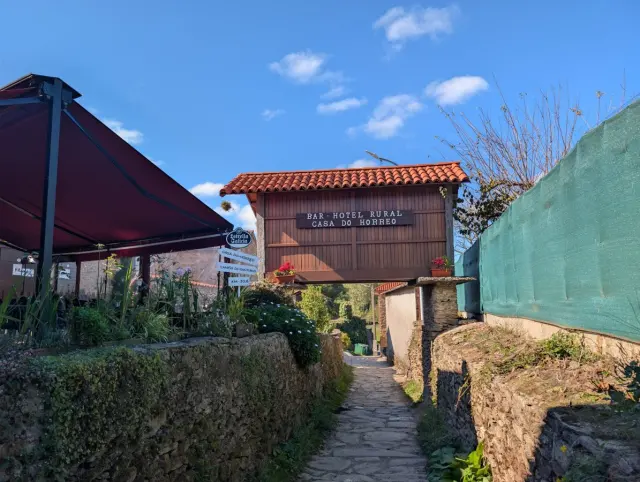
Day two was rougher. One half of the pair came down with a stomach bug and spent the morning sick, so they took a taxi between hotels and turned it into a genuine recovery day — naps, a long lunch of lentil soup, ribs and tiramisu, and an easy dinner once appetite returned. It's a realistic look at something guidebooks gloss over: on a multi-week pilgrimage, illness or blisters happen, and the smart move is to stop, rest and adjust rather than push through. New walking shoes, taxis between stages and slow meals are all part of the deal.
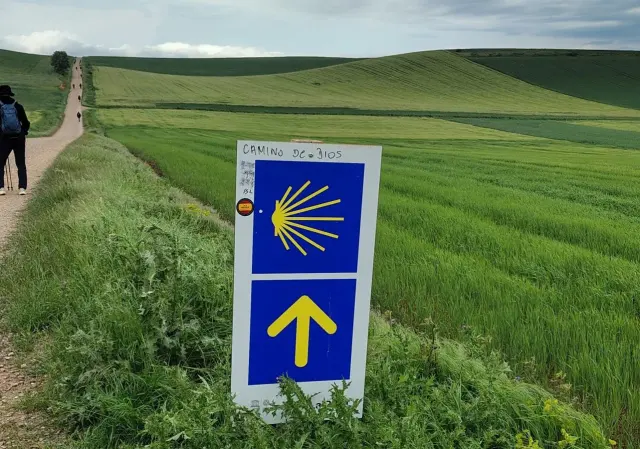
For anyone planning the Primitivo — the toughest but arguably most beautiful Camino route, running from Oviedo to Santiago de Compostela — Lugo is a natural pause point, with enough Roman history, cathedral culture and food options to justify two nights. The takeaway from these two days: build rest into your itinerary, pick a town with actual things to see, and don't feel guilty about a nap when your body asks for one.