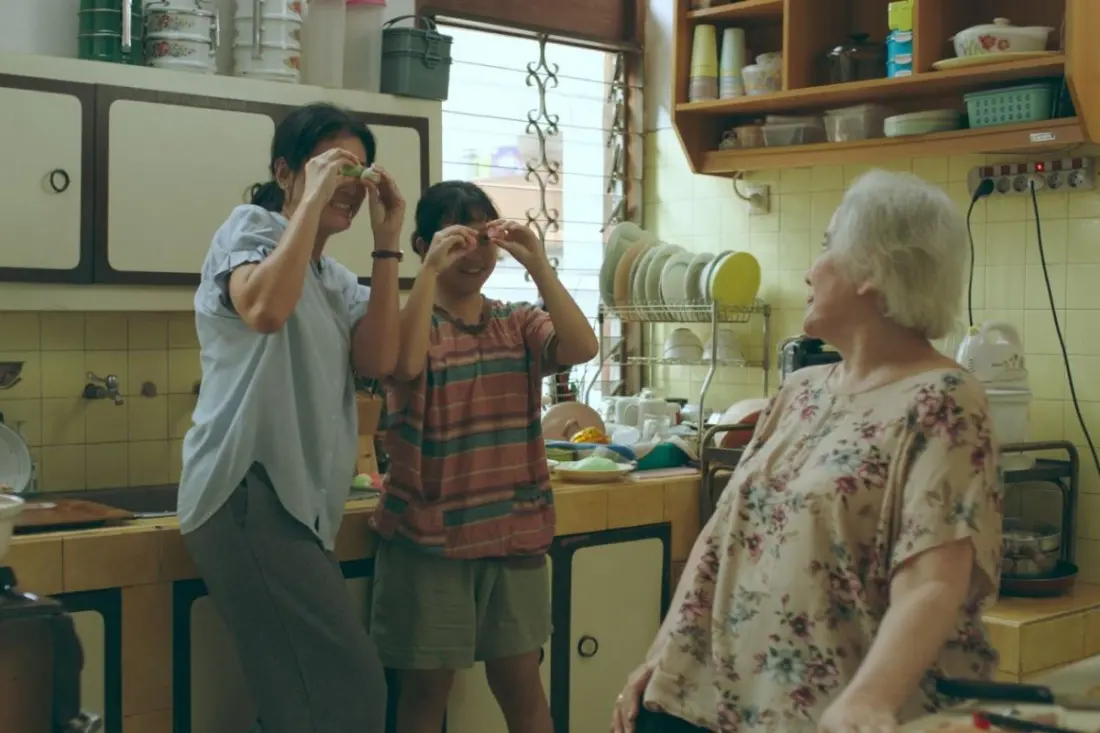
At this year's Tokyo International Film Festival, Indonesian filmmaker Ariani Darmawan premiered her first feature, Jani Be Good, in the Asian Future competition — a debut a decade in the making. Darmawan once ran a bookstore and screening space in Bandung while making short films, then stepped back from creative work to raise her daughter. Now she's returned with a quiet, precise family drama that's drawing attention for itself and for a broader trend: the rise of women directors in Indonesian cinema.
Jani Be Good follows 13-year-old Jani, who lives in Bandung with her mother Winnie and grandmother Oma. When her 17-year-old sister Julia runs away, Jani secretly keeps contact with her while the adults worry — a delicate balance between loyalty to her sister and duty at home. There are no male characters at all, a choice Darmawan and producer Meiske Taurisia made because the story didn't need them. The film unfolds almost entirely inside the family home, and its drama comes from small gestures: who shares a room, who retreats to a corner, what goes unsaid.
Darmawan is far from alone. Kamila Andini's Four Seasons In Java, a story of provincial corruption and retribution set in rural Java, premiered at Busan and is also screening in Tokyo — her Netflix series Cigarette Girl has been a hit too. Mouly Surya has long been an arthouse staple, Upi Avianto directed Indonesia's first female superhero film Sri Asih in 2022, and archivists recently restored Dr Samsi, a 1952 film by Ratna Asmara, the country's first woman director.
For travellers, this matters because Indonesian cinema is becoming a genuine cultural draw beyond the horror titles — the genre that has traditionally travelled abroad. Producer Meiske Taurisia notes that at home Indonesian audiences also love drama, and she hopes a small, sensitive film like Jani Be Good can find audiences internationally too. If you're the kind of traveller who plans trips around festivals or repertory cinemas, watch for Indonesian titles at Busan and Tokyo, and consider adding a stop in Bandung, the city where Darmawan's story — and her film — are rooted.