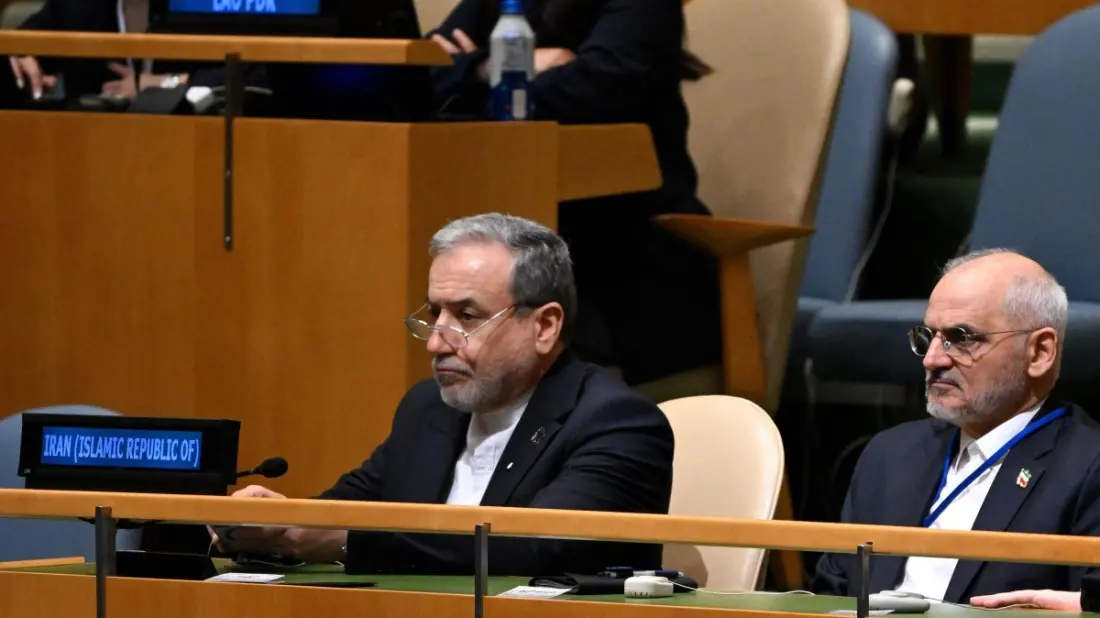
Iran has put a new offer on the table that could, within a week, reopen the Strait of Hormuz to shipping and restart nuclear talks with the United States. Foreign Minister Abbas Araghchi laid out the terms at a private gathering on the sidelines of the UN General Assembly in New York on Thursday, according to attendees: Washington would need to lift its naval blockade of Iranian ports, grant waivers letting Iran sell its oil, and observe a ceasefire that extends to Lebanon.
Why should a traveller care about high-stakes diplomacy? Because the Strait of Hormuz is the artery through which roughly a fifth of the world's traded oil and gas normally flows. Iran's disruption of shipping there has pushed up fuel costs globally, and the wider confrontation — including renewed Houthi attacks near the Bab el-Mandeb strait on the Red Sea — has made the whole region a question mark for anyone with flights, cruises or tours booked through the Gulf.
The proposal closely mirrors a June Memorandum of Understanding that collapsed within its planned 60-day window, after which Iran resumed attacks on shipping. Analysts are sceptical on both sides. Trita Parsi of the Quincy Institute suggested Iran is betting that lower petrol prices before November's US midterms might tempt President Trump into a quick deal, while Hamidreza Azizi of the International Crisis Group argued Iran likely expects rejection — and wants the blame on record if a third attack follows. Saudi Arabia, once supportive of a settlement, has turned wary after Houthi forces seized stretches of Yemen's Red Sea coast and a key Saudi pipeline came under attack. A Gulf leaders' meeting in Oman on an Iran-Oman agreement over the strait was cancelled after Riyadh demanded amendments.
Inside Iran, the divide is public. Moderates around President Masoud Pezeshkian, who told the UN that Iran remains open to diplomacy, face pushback from hard-liners: Revolutionary Guard chief Ahmad Vahidi and lawmaker Ebrahim Rezaei have both dismissed concessions, and even parliament speaker Mohammad Bagher Qalibaf acknowledged the rift, writing that one camp 'speaks of war but offers no mechanism' while the other underestimates the country's capabilities. Qatar continues to mediate — Pezeshkian met its prime minister early Friday after days of indirect Iran-US talks in New York.
For holidaymakers, the takeaway is straightforward: nothing is resolved, and the trajectory of the next few weeks matters more than any single headline. If you have trips planned to the UAE, Oman, Qatar or elsewhere in the Gulf, watch shipping and oil-price news as a proxy for regional tension, keep an eye on your airline's advisories, and build flexibility into bookings. Regional carriers have so far continued operating normally, but escalation — or a botched deal — could change that quickly. As ever with conflict zones nearby, check your government's current travel advice before paying deposits.