A body recovered from the Golden Horn on Sunday raised the death toll from Istanbul's severe flooding to five, closing out the search for a person reported missing after torrential rain hammered the city on 14 October. Rainfall recorded on 14–15 October was the heaviest Istanbul has seen in 84 years, according to Trade Minister Ömer Bolat.
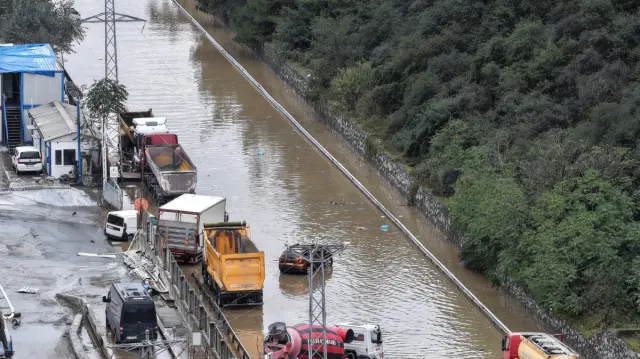
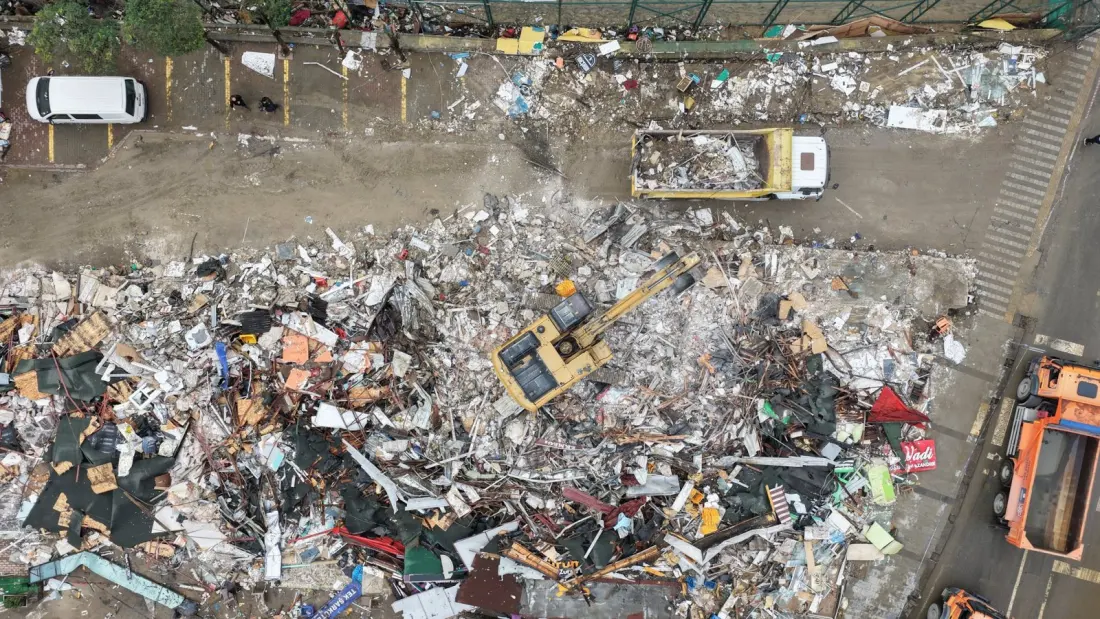
The downpour flooded homes and businesses across the city, and the worst-hit spot was the Ayazağa neighbourhood in the Sarıyer district on the European side, along a streambed that overflowed into surrounding streets. Cleanup, debris removal and demolition work are still under way there.
Authorities have begun clearing structures that had been built along the watercourse, part of an effort to reopen the stream and lower the risk of a repeat. The demolished buildings include the Ayazağa Atatürk Stadium, a Quran course, 19 shops and several structures with residential quarters — the shops, the course and the stadium have already come down.
There's also money on the way for those whose livelihoods were hit. Bolat announced TL 80 million (about $1.9 million) in emergency aid for affected tradespeople, to be transferred to the Istanbul Governor's Office via the tradesmen's cooperative union TESKOMB on Monday 19 October and distributed under the governor's coordination.
For travellers, the practical takeaway is modest but real: Istanbul's tourist core — Sultanahmet, Galata, the Bosphorus ferries — was not the story here. The damage was concentrated in northern inland neighbourhoods like Sarıyer's Ayazağa, well away from the main sightseeing routes. Still, if you're heading to Istanbul in the coming weeks, expect some disruption around affected areas, keep an eye on weather warnings in autumn, which is historically the city's wettest season, and build a little flexibility into plans that involve the northern districts near the Belgrade Forest and Maslak.