
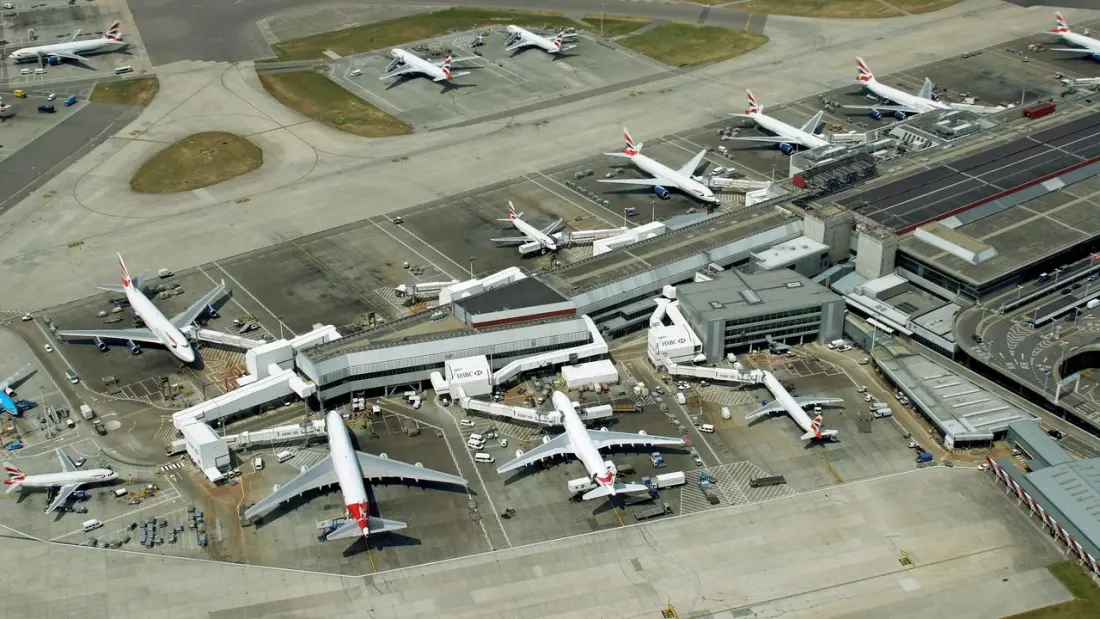
London Heathrow's three-year reign is over. The latest OAG Megahubs Index, which ranks global airports by how many flight connections they make possible, has crowned Istanbul Airport the best-connected hub on the planet for the first time.
The numbers behind the shift are striking. Istanbul now offers links to 337 destinations worldwide, largely powered by Turkish Airlines, the most connected airline in the world. Despite being only the eighth-busiest airport by passenger numbers, it punches well above its weight because so many of its flights are timed to let passengers switch between them within a six-hour window – the measure OAG uses when crunching a year of scheduling data across the 100 biggest international airports.
Heathrow drops to second place, and the details suggest this isn't a blip. Potential connections on its busiest operating day fell six per cent compared with the previous year, a period when disruption in Middle Eastern airspace pushed carriers and travellers towards Turkish alternatives. Istanbul gained too, absorbing traffic that other regional hubs couldn't handle. For the 2025 index, Heathrow had still led the world with over 59,000 possible connections across 226 destinations on its peak day.
Elsewhere in the table, Amsterdam Schiphol climbed to third on the back of growing capacity and an expanding destination list. Kuala Lumpur held fourth place – the best-connected airport in Asia – with destinations served up from 151 to 154 even as overall connection potential dipped slightly. It shares that fourth spot with Frankfurt.
Why does this matter if you're booking a holiday rather than an airline seat? Connectivity is the quiet force behind ticket prices and journey times. A highly connected hub means more routing options, easier one-stop itineraries to secondary cities, and usually more competition on fares. If you're flying from Europe to somewhere off the beaten track – Central Asia, East Africa, Southeast Asia – Istanbul is increasingly the gateway that makes the trip possible in a single stop. It's also worth checking routing through Amsterdam or Kuala Lumpur when prices out of your home airport look grim; a well-connected alternative hub can shave hours or hundreds of pounds off a booking.
The rankings also act as an early warning system. Falling connectivity at a hub like Heathrow, driven partly by geopolitical disruption, hints at fewer options and potentially higher fares on affected routes in the months ahead. Flexible travellers who keep an eye on these shifts can route around the problem – and Turkish Airlines' expanding network makes Istanbul a surprisingly pleasant place to do it, with the city itself a legitimate stopover destination rather than just a transit lounge.
Story sourced from Condé Nast Traveller UK.