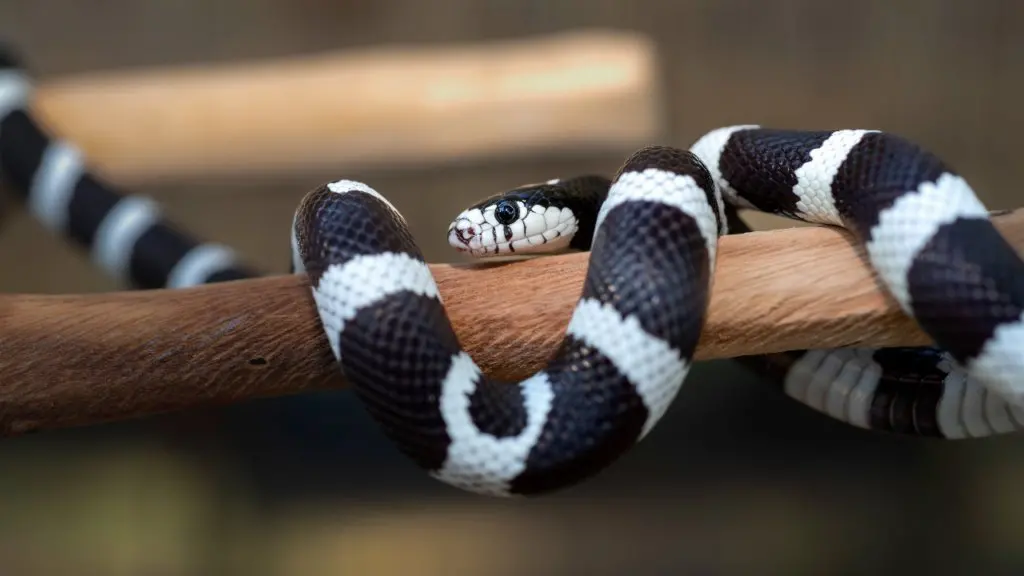
CapeNature has moved to wind down the trade in California kingsnakes in the Western Cape, after a formal risk assessment classified the popular pet reptile as a high-risk candidate for ecological invasion. The transition began on April 1, 2026, and will eventually end all trade in the species in the province — though keepers with existing permits aren't being stripped of their animals overnight.
California kingsnakes have been part of South Africa's reptile-keeping scene since the 1980s, so the decision marks a real shift for a well-established hobby. The concern is what happens if these snakes escape or are released: they're adaptable predators that could compete with indigenous wildlife if they gained a foothold in the wild. CapeNature's assessment used the Bomford (2008) rapid risk assessment model, a standard tool for judging invasion risk, and it came down firmly on the side of caution. As acting CEO Mbulelo Jacobs put it, stopping an invasive species from establishing itself is far cheaper and more effective than fighting one that has already spread.
The practical rules during the transition: only people who already hold valid permits can trade the snakes, no new permits for captivity, import or transport will be issued, and anyone exporting a snake to another province needs the receiving province's import permit plus sign-off under CapeNature's conditions. Once the transition wraps up, trade stops entirely — no import, transport or new captivity permits, and exports stay tightly regulated.
Permit holders have a clear duty to keep their animals secure, and the public is being asked to report any kingsnake spotted outside captivity straight away. CapeNature has framed this framework as a possible template for assessing other potentially invasive species down the line, which suggests the province will be taking a harder line on exotic pets more broadly.
For visitors to the Western Cape, this is a useful signal of how seriously the region guards its biodiversity — the same fynbos and mountain ecosystems that draw hikers to Table Mountain and the Cape Winelands are what these rules exist to protect. If you spend time outdoors in the province and spot an unfamiliar snake, reporting it to CapeNature is now an explicitly encouraged move. And for reptile enthusiasts travelling to South Africa, note that keeping rules vary by province, so what's permitted elsewhere may not be legal in the Western Cape.