Some mountains you hike. Others you negotiate with. Mount Whitney — at 14,505 feet, the highest peak in the contiguous United States — falls firmly in the second category, as one hiker's account of day three on the John Muir Trail makes vividly clear.
The writer was battling a chest infection the night before the summit push, coughing through the evening and doubting whether the climb was possible at all. The plan demanded a 12:30 a.m. wake-up, and remarkably, once she lay down and slowed her breathing, the symptoms eased enough to go. By 1:30 a.m. she and her companion Sam were on the trail by headlamp, having stashed tents, sleeping bags and bear canisters at their campsite to keep packs light for the day.
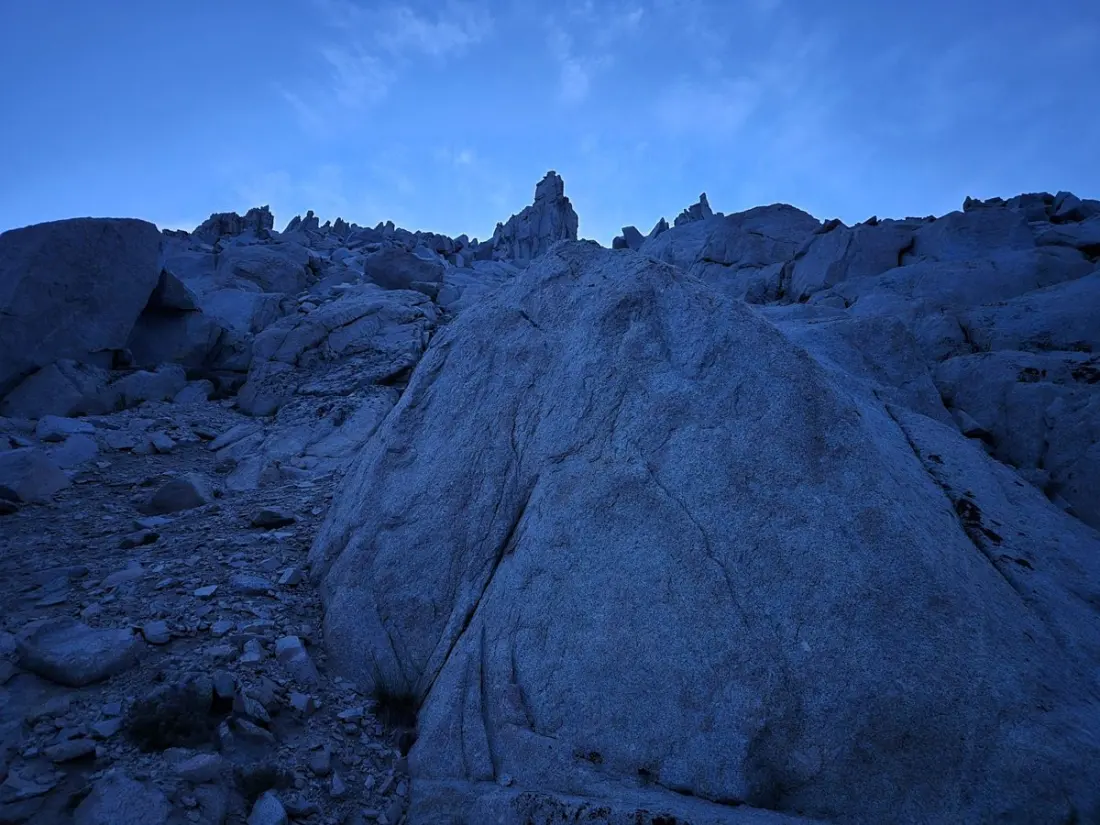
The route climbs past Guitar Lake — the most popular base camp for Whitney ascents, positioned a couple of miles closer to the summit — where the pair topped up water in total darkness. From there the trail narrows, steepens and turns rocky, with streams running straight down the path. Altitude made itself known not through sickness but through simple breathlessness: frequent stops, quick recoveries, then another short push. Above, a scatter of headlamps marked other climbers picking their way up the same slope.
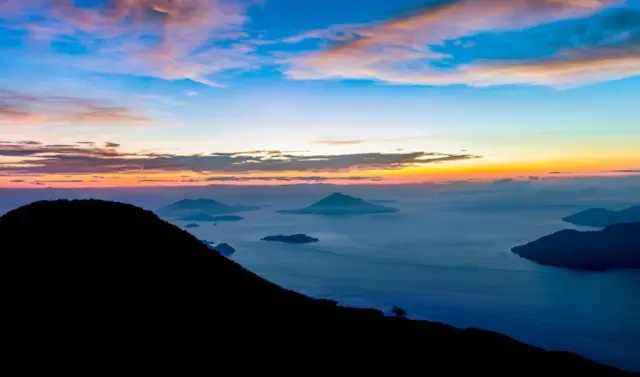
Dawn arrived slowly, and with light came a sobering realisation — the drop beside the trail was serious. Well-graded switchbacks helped, and at the trail junction with the Whitney Portal route, many hikers ditched packs entirely for the final ridge walk. The last stretch is a gentle granite slab to the summit, crowned by the small stone hut where climbers sign the Summit Book. The writer's uphill pace ran as slow as 50 minutes per mile on the steepest sections; descending, that improved to under 30.
What makes this story resonate isn't just the summit. It's the small human moments — a fellow climber writing "F*** Cancer" in the Summit Book, both women cancer survivors; a chance meeting with a blogger filming her journey; a recurring encounter with the same friendly ranger for the third time on the trail. The day ended with afternoon clouds, a mild thunderstorm on the descent, and the satisfying knowledge that they now stood, technically, on the official start of the John Muir Trail itself.
For anyone eyeing the JMT or a Whitney summit, the takeaways are practical: a pre-dawn start helps you beat afternoon storms, camp at or near Guitar Lake to shorten the climb, strip your pack to essentials for summit day, and expect the altitude to slow you dramatically no matter how fit you are. The mountain is hard, but — as this account shows — very doable with patience, a good headlamp and a companion who insists you finish together.