Most Jordan trips tick off Petra, float in the Dead Sea and disappear into Wadi Rum. But an hour north of Amman sits a greener, quieter side of the country that tourism officials are keen to develop as part of a push to spread visitors beyond the big southern names: the Northern Highlands.
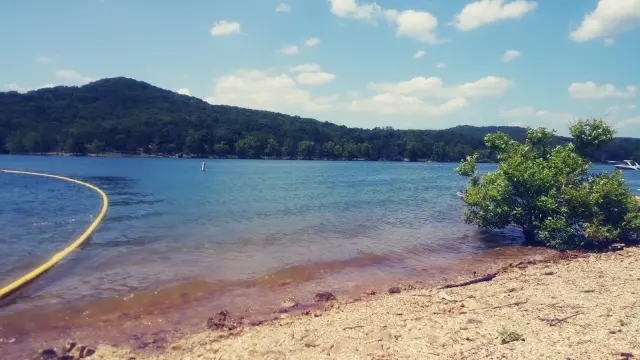
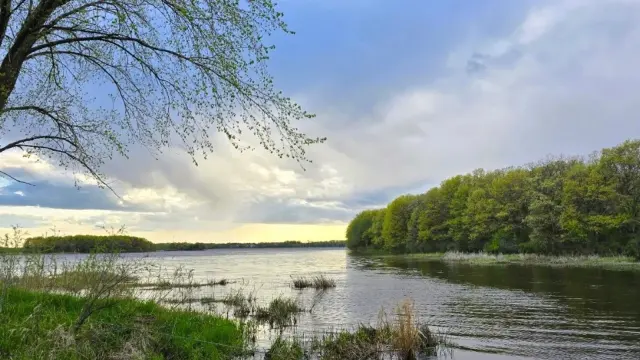
The region stretches from the hilltop town of Umm Qais down towards the capital, and the contrast hits quickly. Instead of desert, you get rolling hills, roadside coffee stands and woodland that writer Madeline Croad compared to New Zealand's South Island.
Jerash is the gateway city, famous for one of the best-preserved Roman provincial cities anywhere, but the surrounding countryside rewards unhurried travellers. Zoubia Forest, just outside Jerash, is dense and wild — Croad got lost on a track and was guided by a local to Roman and Byzantine wine presses near Burqush Cave that appear on no map. Less than an hour's hiking away, 12th-century Ajloun Castle overlooks the Jordan Valley.
Further north, near the Syrian border, Umm Qais is built around the ruins of ancient Gadara, a Greco-Roman city distinguished by black basalt stone buildings, standing columns and a hillside theatre. The terrace at Umm Qais Rest House serves hummus, fatteh (layered pita with chickpeas and tahini) and mutabbal (eggplant dip) with khubz flatbread — and on a clear day, the view spans Syria, Palestine and Lebanon.
Why it matters: Jordan's tourism income has been concentrated in a handful of marquee sites, and periods of regional instability have made diversification urgent. Choosing the Highlands means your money reaches family-run eateries, local guides and community tourism initiatives rather than only the established hotspots. You also get world-class history without Petra-level queues.
Who it suits: Travellers who like hiking, ruins and slow travel over resort pools, and anyone returning to Jordan wanting a second, deeper trip. Pack walking shoes — the forest trails are unsigned and partly the point.