Health authorities in Kenya have confirmed a second death from Ebola, saying nine cases are now confirmed in an outbreak that began earlier this month. The latest victim was a 65-year-old woman — the country's third confirmed case — who died late Friday while being treated at an infectious disease facility, according to the Health Ministry.
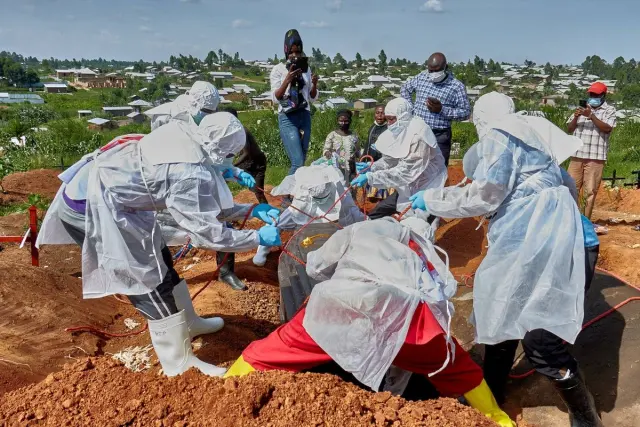
The woman was a close family member and direct contact of Kenya's first Ebola patient, who also died. She had been quarantined before falling ill on October 13 and was admitted to a treatment unit the same day. Despite supportive care, her condition worsened and she did not survive. The ministry said a safe burial was being arranged with her family, carried out by specialised teams under infection-prevention protocols.
The outbreak involves the Bundibugyo strain of the virus, which historically has a lower fatality rate than the Zaire strain behind some of the largest West African epidemics. Seven patients remain in care at two isolation facilities.
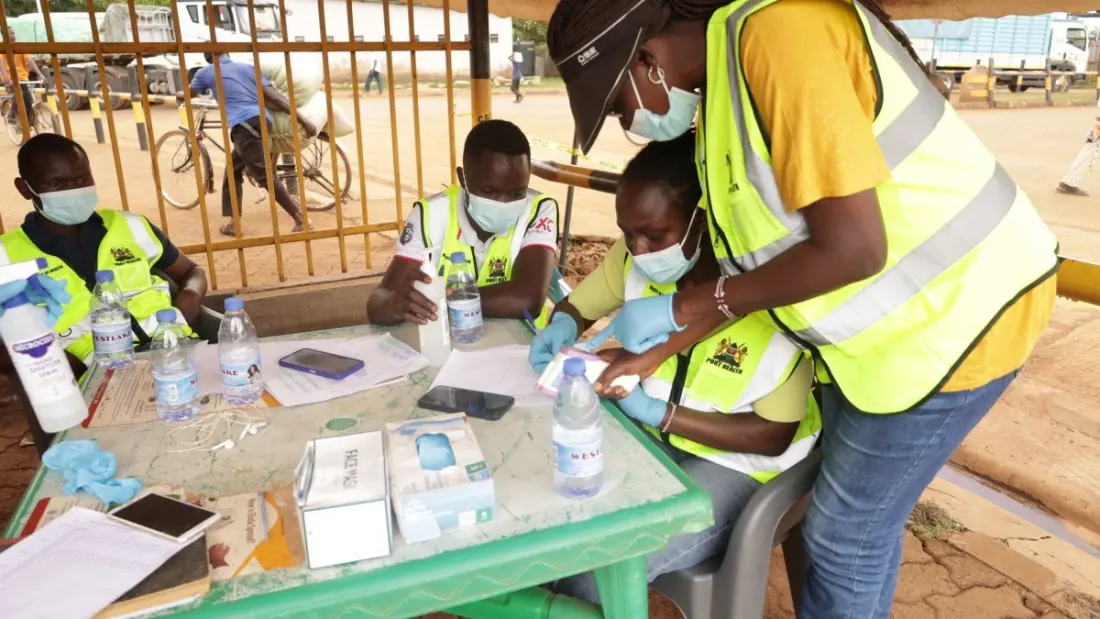
The key point for observers — and travellers — is that all nine infections trace back to a single cluster of known contacts. "All cases remain within one cluster of known contacts, and there is no evidence of community spread," the ministry stated. Since the first case was confirmed earlier in October, Kenyan authorities have stepped up disease surveillance, contact tracing and quarantine measures, and continue to monitor everyone who may have been exposed.
For anyone with trips to Kenya on the horizon, this is a situation to watch rather than panic about. Kenya's tourism heartland — Nairobi's safari gateway, the Maasai Mara, the coast around Mombasa and Diani — has not been linked to the outbreak, and the confirmed cases are contained within one contact network. International travel advisories would typically escalate quickly if that changed, so check your foreign office guidance before flying and again closer to departure.
It's also worth remembering that Kenya is a large country with a well-established health system in its major cities, and outbreaks of this kind are handled with rapid isolation and tracing. The practical takeaway: stay informed through official sources, keep an eye on any entry requirements or health screenings introduced at Kenyan airports, and make sure your travel insurance covers medical situations and trip changes. If you're travelling in the region and feel unwell with fever or other symptoms, seek medical advice promptly and mention your travel history.
We'll keep an eye on how the situation develops.