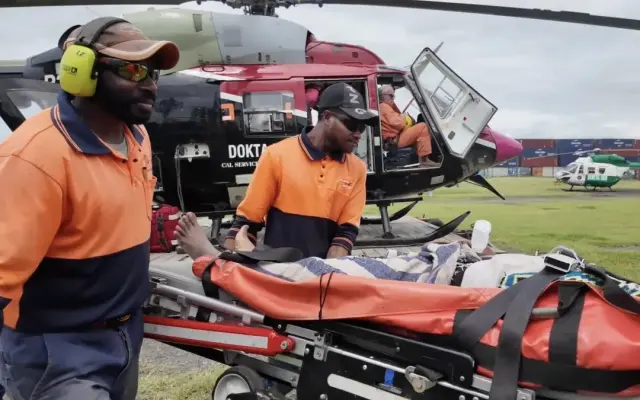
Kenya has confirmed a second Ebola case, days after a 40-year-old man who had been living in the Democratic Republic of Congo died of the disease in Nairobi on 5 October. The second patient, a 39-year-old relative of the first man, was already in quarantine when he fell ill, according to Kenya's health ministry — a small piece of good news in an otherwise worrying picture.
The first case is the part that should make travellers sit up. The man, who had felt unwell for a month, travelled by road from DRC to Kampala in Uganda, then caught a flight to Nairobi. He was diagnosed only after arriving in Kenya. That a symptomatic person could move across two borders and onto a commercial flight highlights how hard the outbreak — the fastest-growing on record when it was declared in DRC in mid-May — is to contain.
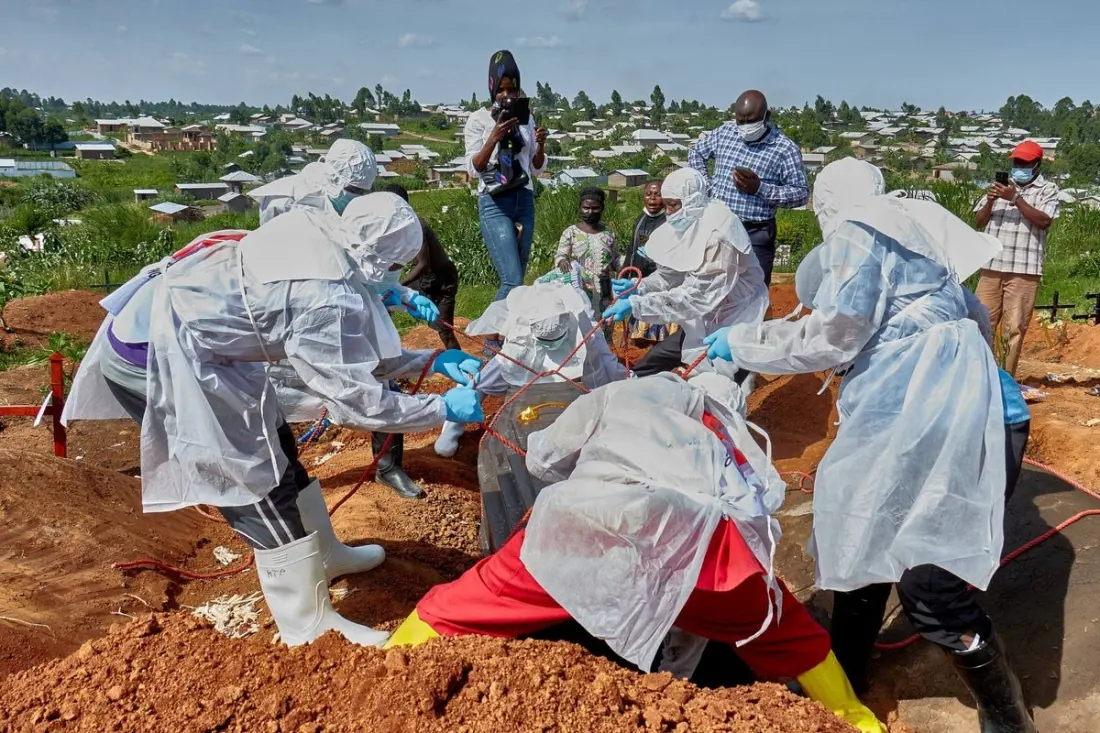
The numbers behind the outbreak are stark. It is the second deadliest Ebola epidemic ever recorded and DRC's worst, with around 4,300 deaths and at least 9,000 infections so far. It involves the rare Bundibugyo strain, for which there is no treatment or cure. Experts told The Independent that roughly a third of cases are only detected after death, and about half of confirmed cases have no known epidemiological link — meaning nobody knows where or from whom the person caught it. Contact tracing is running below the 80% target.
A big part of the problem is money. US emergency assistance to DRC dropped from $805 million in 2024 to $373 million in 2025, and the WHO said in June it had less than half the funding it needed. UNICEF is carrying a $73.3 million shortfall — about 65% of what it says is required — as more than 1,900 children have been orphaned or separated from their families. MSF emergency manager Trish Newport says mapping the movements of infected people "requires a lot of resources, and it isn't being done today".
Mistrust compounds the funding gap. Misinformation has made some communities wary of doctors and hospitals, and some people are reluctant to hand over names of friends and relatives to authorities for political reasons. Areas under rebel control are off-limits to aid teams entirely. Uganda, which reported a handful of cases over the summer, has declared itself Ebola-free — but the WHO warns the risk of further cross-border spread is real.
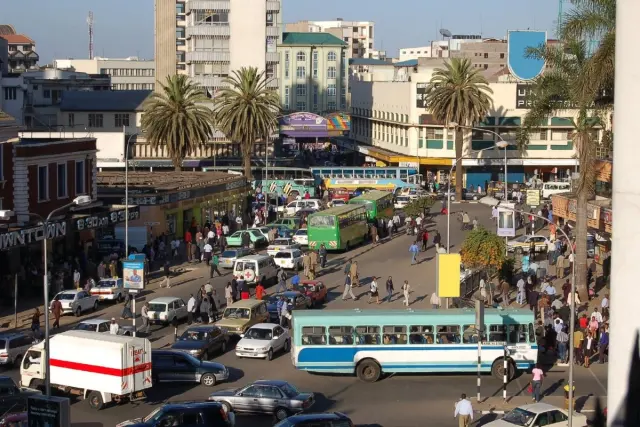
Why should holidaymakers care? Kenya and Uganda are major East African travel hubs, and Nairobi in particular is a transit point for safaris and long-haul connections. Right now this is a contained, low-volume situation — two cases, one of them caught in quarantine — and routine tourism in Kenya's safari parks and coast is unaffected. But anyone travelling to or through the region should follow WHO and Kenya health ministry updates, know the symptoms (fever, severe headache, muscle pain, unexplained bleeding), and steer clear of areas near the DRC border. The real story is that an underfunded response leaves less margin for error, and that's worth watching before you book.