Mountains, yurt camps and Silk Road history have made Kyrgyzstan one of Central Asia's fastest-growing destinations. But there's a catch: the visitors aren't spending much. That's the headline finding from a World Bank and International Finance Corporation report on the country's private sector, published in November 2026.
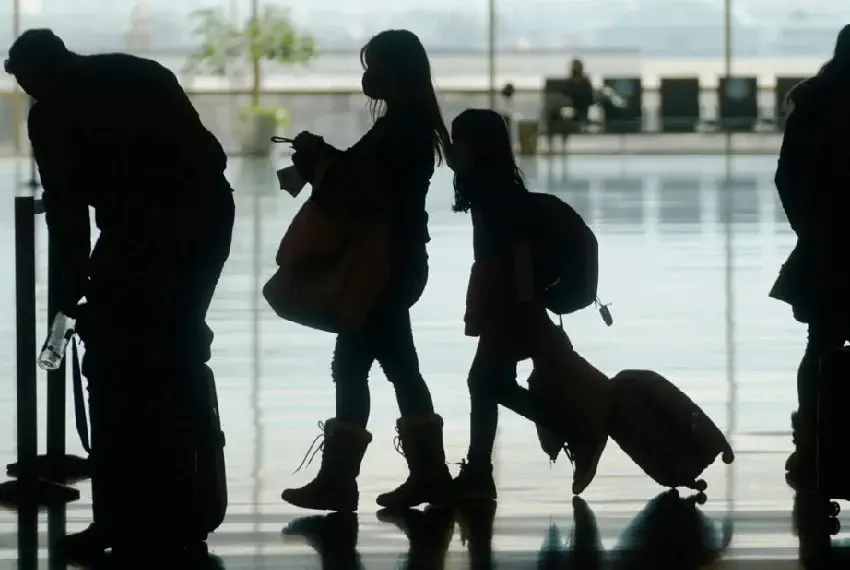
The numbers look good at first glance. International tourism receipts topped $1 billion in 2024, and the industry's gross output hit roughly $1.25 billion. In 2025, tourism's gross value added passed $847 million, about 3.8 percent of national GDP. The problem is the mix of arrivals. A large share are short trips by citizens of neighbouring countries, transit passengers, cross-border day-trippers and people visiting family — travellers who spend little on hotels, guides or tours. So while arrival numbers climb, hotels and tour operators aren't seeing matching revenue.
Seasonality compounds it. Most tourism is squeezed into a handful of months, leaving businesses struggling to earn steadily across the year.
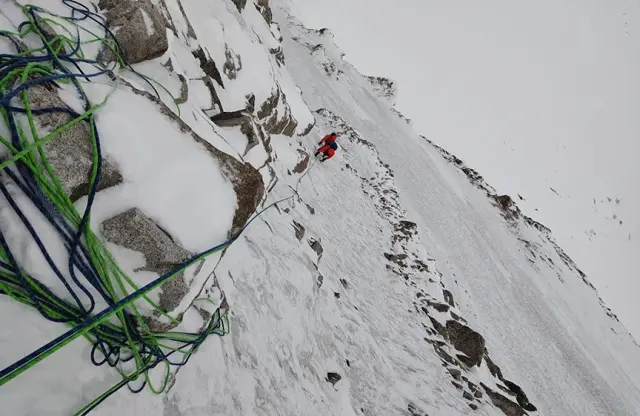
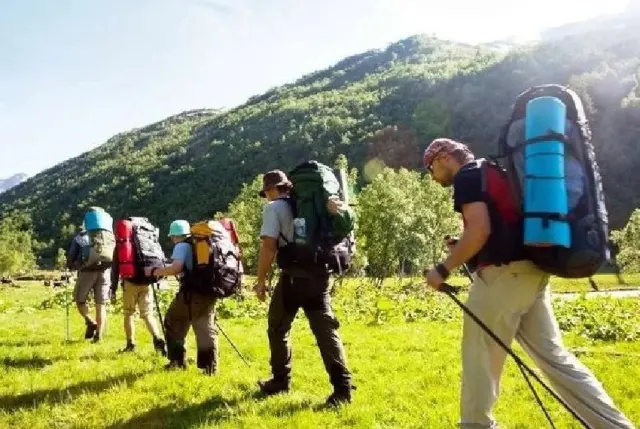
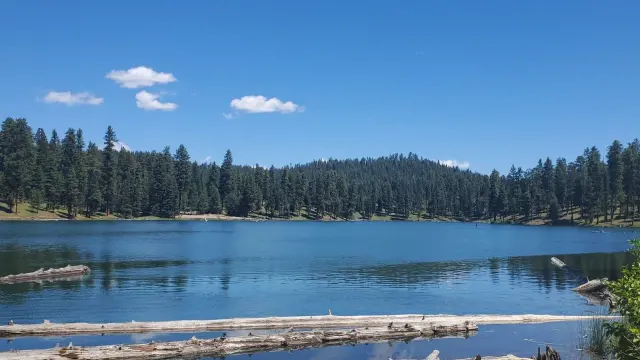
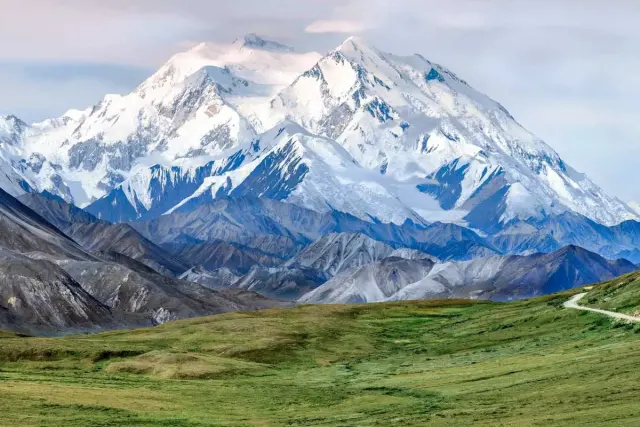
That's a shame, because the World Bank thinks Kyrgyzstan has serious potential in higher-value travel. Around 94 percent of the country is mountainous, and experts see ecotourism, adventure trips, mountain trekking, yurt camp stays, small nature-based lodges and year-round resorts as the most promising products. Clearing the obstacles to nature-based tourism could unlock up to $220 million in private investment over the medium term — though that figure is potential, not committed, and depends on reforms actually happening.
What's holding things back? A familiar list for anyone who has travelled off the beaten track: slow permits and land access, patchy transport, power cuts, weak water and sewage systems, and poor waste collection. Limited international flight connections also make it harder to reach the big-spending travellers the country wants. The sector is short of qualified guides, hotel staff and tourism-safety specialists too.
For travellers, the takeaway is simple: this is a destination in an interesting phase. The raw ingredients — huge alpine scenery, nomadic culture, low costs — are already there, and the gaps in infrastructure mean you'll find an authentic, unpolished experience rather than a mass-market one. Going now means seeing a country that's actively trying to build itself into a longer-stay, higher-quality destination, which is exactly the kind of trip where your money makes a difference to local businesses.