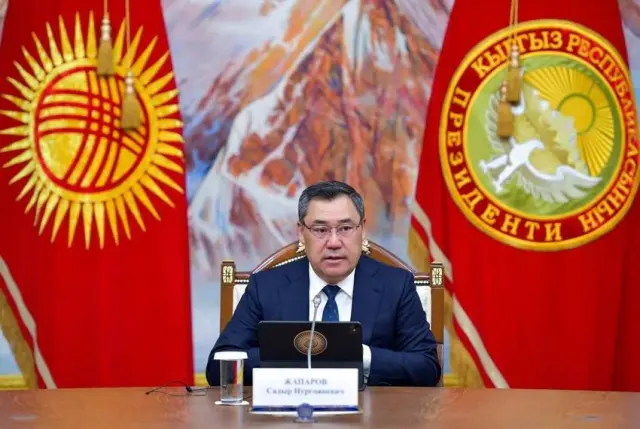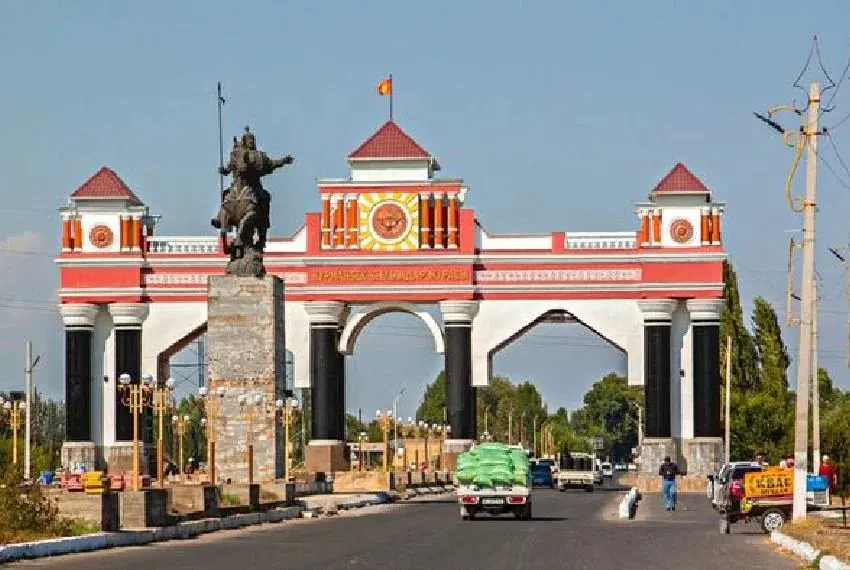
President Sadyr Japarov has announced that Manas, a city in the Jalal-Abad region, will receive special status as Kyrgyzstan's second economic centre. The declaration came during a national strategy meeting titled "Strategic Tasks for the Next Five-Year Period," and it signals where the government plans to pour investment over the coming decades.
The idea is to build Manas up as a major transport and logistics hub and a business centre for southern Kyrgyzstan — a counterweight to Bishkek, the capital, which dominates the country's economy in the north. Japarov framed the move as part of a broader push to even out development between regions, strengthen the finances of newly created administrative districts, and grow cities into engines of economic growth. He also called for better territorial planning and a long-term land-use policy running through 2050.
For travellers, the interesting bit is geography. Jalal-Abad sits in the fertile south of the country, close to the Fergana Valley and on the road towards some of Kyrgyzstan's best-loved natural spots. The region is the gateway to Saimaluu-Tash petroglyphs, the hot springs and walnut forests around Arslanbob, and the reservoirs and foothills that see far fewer visitors than Lake Issyk-Kul up north. Better roads, transport links and services are exactly what the south needs if more independent travellers are to venture beyond the classic Bishkek-to-Issyk-Kul circuit.
Worth keeping expectations measured: this is a policy announcement, not a finished project. Special economic status typically means years of infrastructure work before anything visible changes on the ground. But if Manas does grow into a southern logistics and business hub, it could shorten journey times across the region, bring more guesthouses and restaurants to Jalal-Abad, and make the south a genuinely practical add-on to a Kyrgyzstan trip rather than an expedition of its own.
If you're planning a visit in the meantime, the south rewards effort. Jalal-Abad makes a sensible base: the city has good connections to Osh and Bishkek, and from there you can arrange trips to Arslanbob's forests, the falls and summer pastures of the surrounding hills, or continue east towards Song-Kul with a tour operator. Prices are lower than in Bishkek, homestays are common, and the hospitality is famously warm. Watch this space — a second economic centre, if it materialises, would be one more reason to give Kyrgyzstan's south the two or three extra days it deserves.