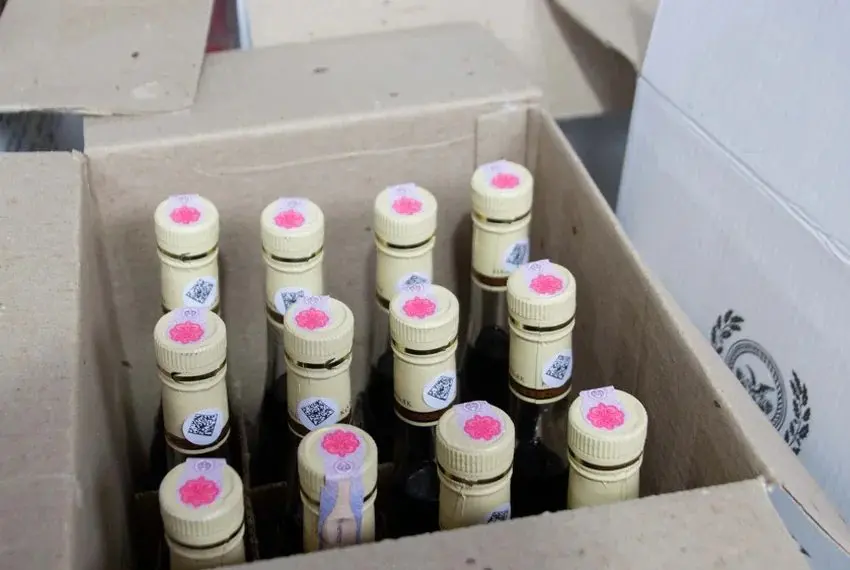
A drink with dinner in Bishkek could cost more in the next few years. Kyrgyzstan's Ministry of Economy and Commerce has put forward a draft resolution, opened for public discussion on November 4, that would sharply raise excise taxes on wine, champagne and spirits.
The headline change is a flat excise rate of 100 soms per litre across wine categories. That means a fourfold jump for still wine, which is currently taxed at just 25 soms per litre, and a doubling for sparkling wines and champagne, now at 50 soms. Low-alcohol drinks are already taxed at 100 soms, so they would see no change — which is rather the point.
Spirits and liqueurs face a staged increase: 200 soms per litre in 2026, rising to 250 in 2027, 300 in 2028 and 350 from 2029 — a 75 percent climb over four years. Officials note that excise rises don't translate directly into shelf-price increases, since retail prices also reflect producer and retailer costs, but the direction of travel is clear.
The ministry's motivation is partly about closing loopholes. According to the explanatory note, some importers classify low-alcohol drinks as wine to pay the lower rate. One case flagged in the documents involves an importer whose declared goods may have shortchanged the treasury by more than 40.7 million soms. Uniform rates would remove the incentive to game the system, and the government expects an extra 170.65 million soms a year from the wine changes alone.
There's a sweeter side to the draft, though. Cafes and restaurants would get relief: the exemption from mandatory labelling for domestically produced soft drinks sold directly to customers — excluding pre-packaged products — would be extended until January 1, 2033. The same carve-out would cover traditional Kyrgyz fermented drinks like maksym, jarma and bozo, the fizzy, tangy staples you'll find at markets and family tables. The change follows a push by lawmaker Dastan Bekeshev on behalf of the restaurant and hotel sector, which argued small caterers shouldn't carry the compliance load of industrial manufacturers.
For travellers, this matters in two ways. Imported wine and vodka in restaurants and bars will likely creep up in price over the coming years, so budget accordingly if a glass of something is part of your evening routine. Meanwhile, the exemptions should keep street-level and family-run eateries — often the best places to try bozo or maksym — free to keep serving house-made drinks cheaply and without red tape. In short: the imported bottle gets pricier, the local cup stays easy to find.