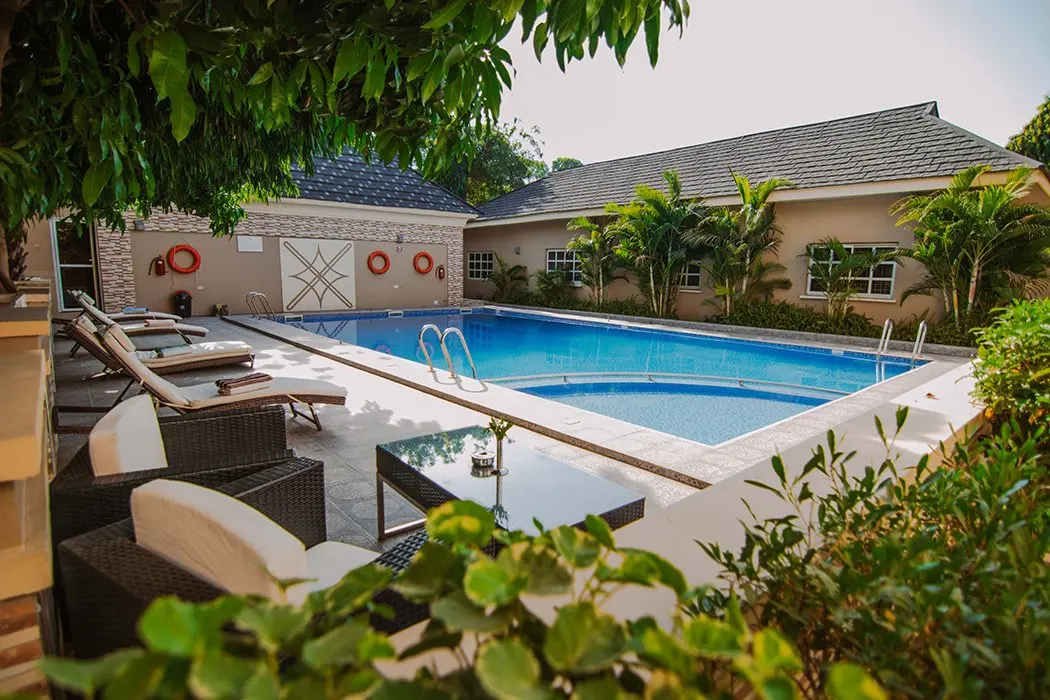
Africa currently has more than 100,000 hotel rooms under construction, and the interesting part is where they're going. Industry figures speaking to Nomad Africa Magazine say the continent's next hospitality capitals won't necessarily be the established heavyweights of Egypt, Morocco, Tunisia and South Africa, but a batch of destinations finally getting their access, infrastructure and marketing in order.
Ethiopia tops the list of sleeper candidates. Axum, Lalibela, Gondar and Harar give it a heritage line-up few countries can match, and the Bale and Simien Mountains plus the Danakil Depression add genuine adventure appeal. The caveat is stability — hospitality advisor Håvar Bauck argues the potential is extraordinary once conditions allow.
Zanzibar is the proof of concept. The island has grown fast by marketing culture, food and tradition alongside its beaches, building an identity that keeps visitors longer than a sun-and-sand break would. Uganda (gorillas, the Nile, Lake Victoria), Angola (better flights and easier entry) and Nigeria — which Bauck calls West Africa's sleeping giant thanks to its beaches, music, food and nightlife — are also on the rise.
Mozambique may be the most under-the-radar of the lot. Natalie Tenzer-Silva of Dana Tours points out that the country lets you combine coastline, culture and wildlife in a single trip: safari first, then wind down in the Bazaruto Archipelago or at Vilanculos, with Macaneta, Bilene and Ponta do Ouro drawing growing interest. Maputo works as the entry point, and it's where you'll first taste the country's food, music and art. The catch, she says, is access — visa reforms have helped, but more direct flights and domestic connections are what will make or break the destination.
The usual sun-and-safari spots aren't the whole story. BON Hotels CEO Guy Stehlik argues secondary cities can sustain good hotels without being holiday destinations at all, citing Kano and Enugu in Nigeria, Dire Dawa in Ethiopia, Lubango in Angola, Bulawayo in Zimbabwe and Richards Bay in South Africa as places where business travel, meetings and local demand can keep rooms full year-round.
For travellers, the shift is worth watching. Demand is moving toward experience-led trips — community immersion, slower eco-focused journeys, farm-to-fork eating — and Africa already has those experiences in abundance. Hotels are also modernising fast, with digital payments and WhatsApp-based concierge services becoming standard. If you've been waiting for the crowds to find these places, the window for visiting them first is closing.