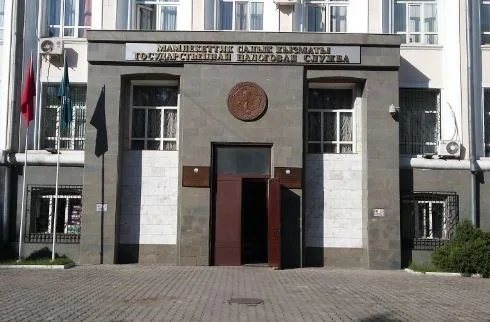
Kyrgyzstan's State Tax Service has issued a public warning about a wave of scams in which callers impersonate tax officials to extract money or personal data from unsuspecting targets. The scheme is a timely heads-up for anyone spending more than a few days in the country — remote workers, expats and business travellers who might plausibly have dealings with local bureaucracy.
The pattern is familiar but effective. Victims receive a phone call or message claiming they owe unpaid taxes or fines, with pressure to pay immediately. Others get emails dressed up as official Tax Service correspondence, complete with QR codes that route money straight to the fraudsters. The scam works by manufacturing urgency and fear of penalties.
The tax authority has been clear about what its real staff never do: they don't ask for passwords, verification codes or bank card details, and they never collect payments, debts or tax returns by phone or through messaging apps. If someone contacts you claiming you've breached tax obligations and threatens penalties, the advice is simple — don't act on it. Legitimate information can be checked through the official online taxpayer account or by contacting the tax office directly. Anyone targeted should report it to police; the emergency number in Kyrgyzstan is 102.
The Service also reiterated basic hygiene that applies anywhere: ignore suspicious links, never share passwords, one-time codes or card details, don't transfer money to strangers, and verify everything only through official websites.
Why does this matter to travellers? Kyrgyzstan has become a hotspot for digital nomads and trekkers — visa-free entry for many nationalities and a growing remote-work scene mean plenty of foreigners with bank accounts, local SIM cards and just enough official paperwork to seem like a plausible target. Scammers count on the fact that visitors don't know how local institutions actually operate. Knowing that no Kyrgyz tax official will ever demand payment over WhatsApp or a phone call is the kind of five-second knowledge that can save you a lot of money.
The takeaway: slow down, verify through official channels, and treat any unexpected demand for money — however official it sounds — as a red flag. Stay alert, and the only thing separating you from your cash should be your own choice.