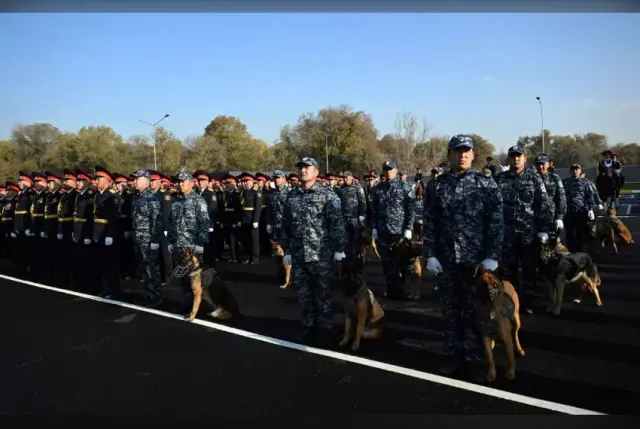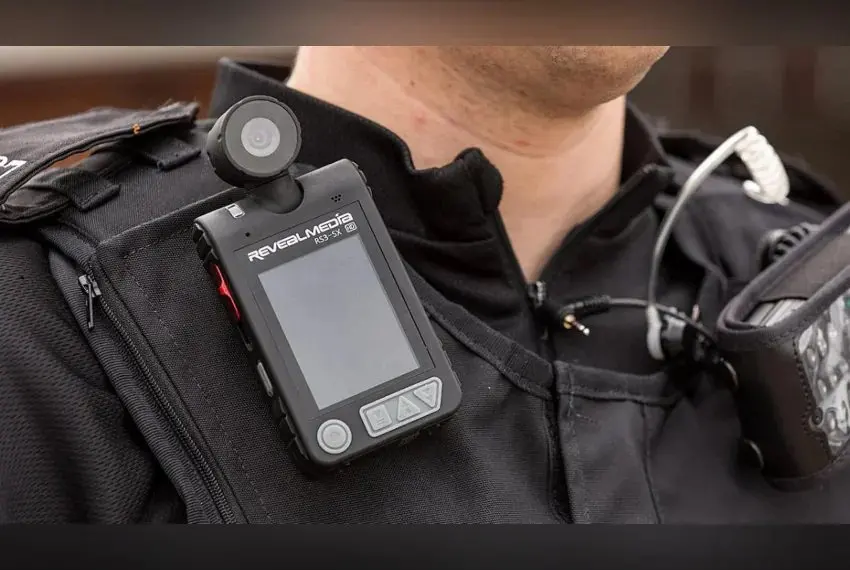
Travellers heading to Kyrgyzstan's mountains, bazaars and border towns should notice a small but meaningful change: police across the country are now wearing body cameras. The Interior Ministry has handed out more than 3,700 of the devices to officers in every region, from district police to patrol officers, juvenile affairs inspectors and — notably for visitors — the tourist and environmental police.
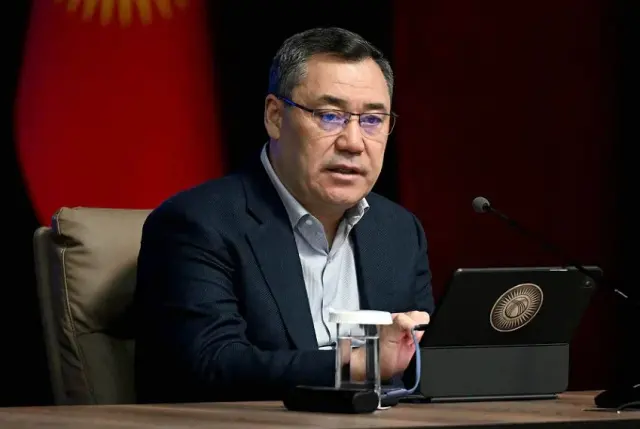
The rollout was announced by Gulbarchyn Esenbekova, an inspector at the Operational Management Center of the ministry's Public Security Service, speaking on Birinchi Radio. She framed it as an accountability measure: the cameras are there to check that officers follow the law and official procedures, and to deter corruption — a real consideration in a country where petty graft has historically been a friction point for visitors dealing with traffic stops and checkpoints.
The system is deliberately hard to game. Officers cannot switch the devices off themselves; there is no button for that. Everything is recorded from the start of a shift to the end, and cameras are handed back to the duty unit when the shift wraps up, with footage uploaded to a dedicated Interior Ministry software system. If there's ever a dispute between an officer and a member of the public, the recording can serve as evidence.
Why does this matter for a holidaymaker? Kyrgyzstan has exploded in popularity with trekkers and road-trippers drawn by Song-Kul, Ala-Kul, the Pamir and Tian Shan ranges, and the visa-free access many nationalities enjoy. Independent travel here often means interactions with police — at highway checkpoints, in Bishkek, around Issyk-Kul beaches in summer. Knowing that encounters are being recorded from both ends changes the dynamic: it cuts both ways, protecting travellers from shakedowns and officers from false complaints.
It's also a signal of where the country is heading. Tourism is a growing pillar of the economy, and outfitting the tourist police specifically suggests officials want visitors to feel confident dealing with law enforcement. If you do have a bad encounter, you can now reasonably ask for the officer's identification and note that the incident is on camera — useful leverage in any disagreement.
None of this turns Kyrgyzstan into a heavily policed destination; it remains one of Central Asia's easiest and most welcoming countries for independent travellers. But small infrastructure upgrades like this — transparent, recorded, hard to switch off — are the unglamorous stuff that makes an off-the-beaten-path trip feel a bit less off the map. Worth knowing before you saddle up a horse or rent a 4WD for the high passes.