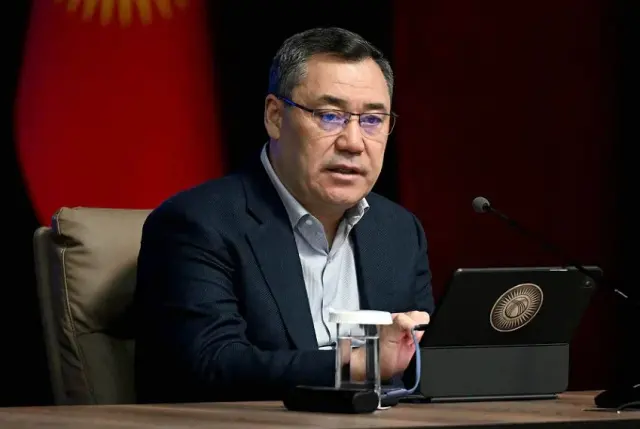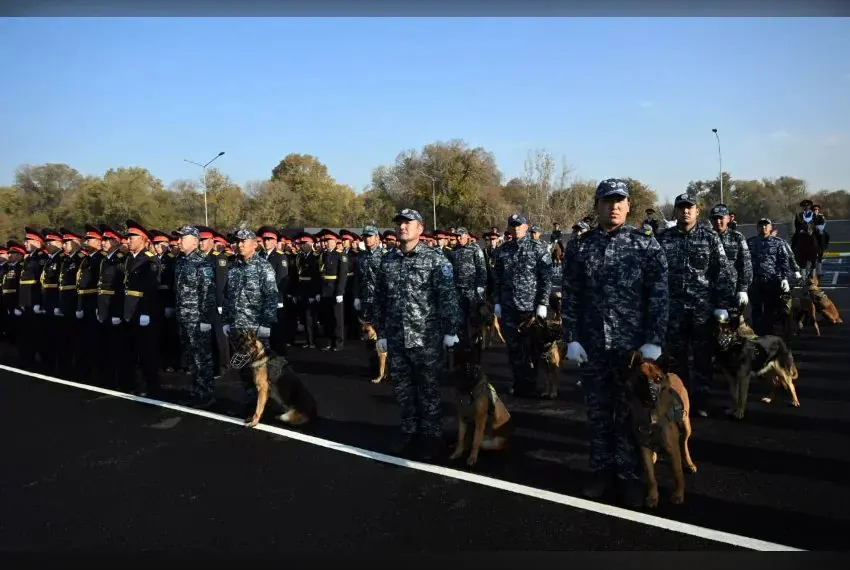
Kyrgyzstan does not have enough police on the ground, and the gap is widest in the roles that deal directly with the public. Nurlan Ismailov, deputy head of the Public Security Service at the Interior Ministry, told Birinchi Radio that district police officers and juvenile affairs inspectors are in particularly short supply.
The reason is simple arithmetic. When the country became independent in 1991, roughly five million people lived there. Today the figure tops seven million, new residential districts keep appearing around cities, and existing settlements keep expanding — yet police staffing levels have barely moved since the early days of independence. More people, more neighbourhoods, same number of officers.
Ismailov's comments were an unusually frank official admission. District officers are the backbone of everyday policing in Kyrgyzstan: the people residents call about disputes, thefts and local problems, plus the inspectors who handle cases involving minors. Where those posts sit vacant, response times and visible policing tend to suffer first.
For visitors, the practical takeaway is modest rather than alarming. Kyrgyzstan remains one of Central Asia's safer and more welcoming destinations, and violent crime against tourists is rare. But the staffing squeeze means travellers should not count on a quick or visible police presence if something goes wrong — a stolen phone in Bishkek or a dispute at a remote yurt camp is unlikely to bring an officer to the door promptly. Practical precautions matter more here than in countries with denser policing: keep copies of your passport, use hotel safes, and rely on local hosts or guesthouse owners, who are usually the fastest route to help in rural areas. Registration rules and mountain-rescue logistics also still run through official channels, so sorting paperwork properly at the border and sharing trekking plans with someone reachable is worth the effort.
The story is also a snapshot of where the country is heading. Kyrgyzstan's growth is concentrated in and around Bishkek and other urban centres, where new districts have outpaced public services of every kind, policing included. Anyone travelling beyond the capital — to Karakol, Song-Kul or the Alay Valley — will notice the state thins out quickly, and self-reliance is simply part of the trip. That is a large part of the appeal for hikers and horse-trekking fans, but it rewards travellers who plan ahead.
Who should care: anyone with a Kyrgyzstan trip on the horizon, especially independent travellers heading off the main corridors. The country is absolutely still worth the flight for its mountains, Silk Road history and famously cheap guesthouses — just go with the understanding that public services, police included, are thin on the ground, and build your plans around that reality rather than around official support.