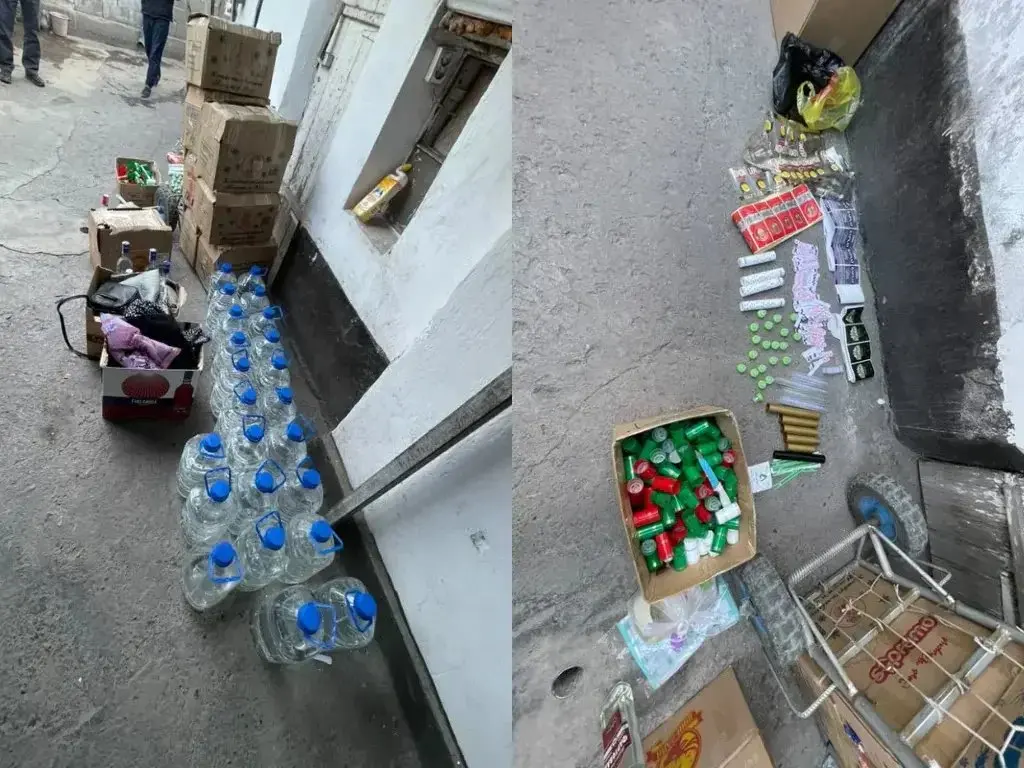
A quiet residential district of Bishkek turned out to be home to a small-scale bootleg operation. Kyrgyzstan's State Tax Service says it uncovered illegal home-based alcohol production in the capital's Leninsky district during checks aimed at clamping down on untaxed excisable goods. Officers seized 218 litres of bottled alcoholic drinks along with a striking stash of 224,557 counterfeit excise stamps — the official labels that are supposed to prove duty has been paid.
The case files will now go to law enforcement agencies, who will decide on legal action. Under Kyrgyzstan's Criminal Code, producing alcohol illegally on an especially large scale carries a fine of 50,000 soms or up to five years in prison. The Tax Service used the announcement to remind both businesses and the public that making, storing or selling excisable goods without meeting legal requirements is off-limits.
For most travellers this will read as local enforcement news, but there's a practical takeaway if you're heading to Kyrgyzstan. The country has a strong drinking culture — vodka, cognac and beer feature heavily at any supra-style feast, and homemade spirits circulate in rural areas especially. Counterfeit alcohol is a real risk in several post-Soviet states, occasionally causing serious poisoning cases, and this bust shows the authorities take the problem seriously enough to run dedicated inspections.
The safe play in Bishkek is straightforward: buy drinks from supermarkets or licensed shops rather than markets, private sellers or bars that look questionable, and check that bottles carry a genuine excise stamp. Well-known local brands sold through retail chains are reliably legitimate, and the capital's growing craft beer and cocktail scene operates largely above board. If someone offers you unlabeled samogon (moonshine) at a family gathering, a polite taste is one thing — taking a bottle home is another.
It's also a small window into how Kyrgyzstan is formalising its economy. Excise enforcement has been a priority for the Tax Service as the country tries to boost official revenue, and visitors may notice excise stamps being checked or verified in shops. None of this should put anyone off a trip: Kyrgyzstan remains one of Central Asia's easiest and most rewarding destinations, with Bishkek as the gateway to the mountains around Issyk-Kul and the alpine valleys of the Tian Shan.
Who's this for? Anyone travelling to Bishkek or wider Kyrgyzstan who plans to drink locally — which is most visitors, given the hospitality culture. Treat this as a nudge to stick to licensed venues and properly stamped bottles, and you'll have nothing to worry about.
Reported by 24.kg