An elm tree standing near the Church of St Euphemia in Split is quietly undoing centuries of history. Archaeologists examining the site have found that its spreading root system has shifted sections of the ancient walls, damaged burial structures and even disturbed human remains inside the tombs.
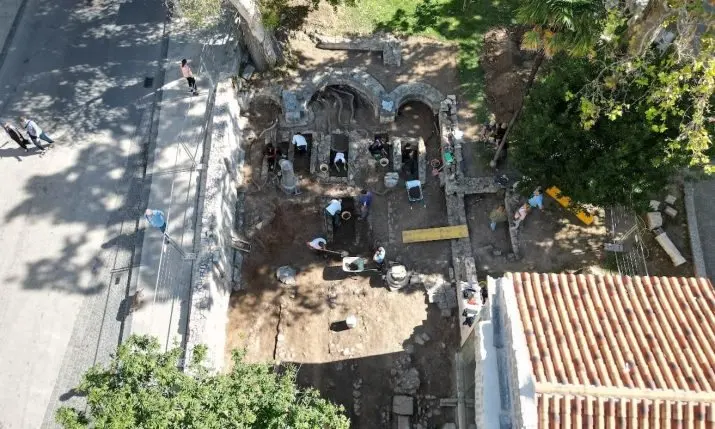
The investigations kicked off on 1 October 2026, with the goal of assessing the condition of the site and recording whatever historical structures survive. Once low vegetation and the top layer of soil were cleared, researchers turned to the architectural remains and burial features inside the church itself.
So far the team has exposed the walls of three church apses — and damage has been flagged in several spots. According to the City of Split, the elm's expanding roots have pushed parts of the historic walls out of position, compromising their structural condition. The root damage extends into the eastern burial area too.
Five tombs have been examined to date, all containing human skeletal remains. These tombs were previously studied back in 1946, and archaeologists found they had been filled with material in the decades since — with some bones displaced and partially mixed into that fill. Roots have left their mark on parts of the burial structures and the skeletal remains as well.
The tree's root network isn't just causing damage; it's also slowing the work down. Distinguishing individual structures, cleaning surfaces and reading the different construction phases has become noticeably harder, so the team has adjusted its pace, proceeding gradually and carefully in the affected sections to avoid destroying information about the site's historical layers.
What happens next depends on the experts. Further investigations will weigh up protective measures for the surviving structures, taking surrounding vegetation into account, and any decisions will be made with conservation authorities based on specialist assessments. The findings released so far are preliminary — a fuller picture of the site's condition and a set of conservation recommendations will come once the fieldwork and documentation are complete. The City of Split says it will keep monitoring the work alongside experts, with long-term preservation as the priority.
Why should travellers care? Split is one of the Adriatic's most visited cities, and much of its appeal lies in layers of history you can walk through — Diocletian's Palace most famously, but also smaller early-Christian sites like St Euphemia that most visitors never hear about. This story is a reminder that these quieter monuments are fragile and actively looked after. If you're visiting, the church area may look like a working dig rather than a polished attraction, and that's part of the experience: you're seeing conservation in action.
For anyone planning a Split trip, the city's Roman-era core remains fully accessible, and the Marjan peninsula next door offers sea swimming and shaded walks — elm trees included. Keep an eye on local news if you hoped to see the excavation itself; access will likely depend on how the conservation work progresses.