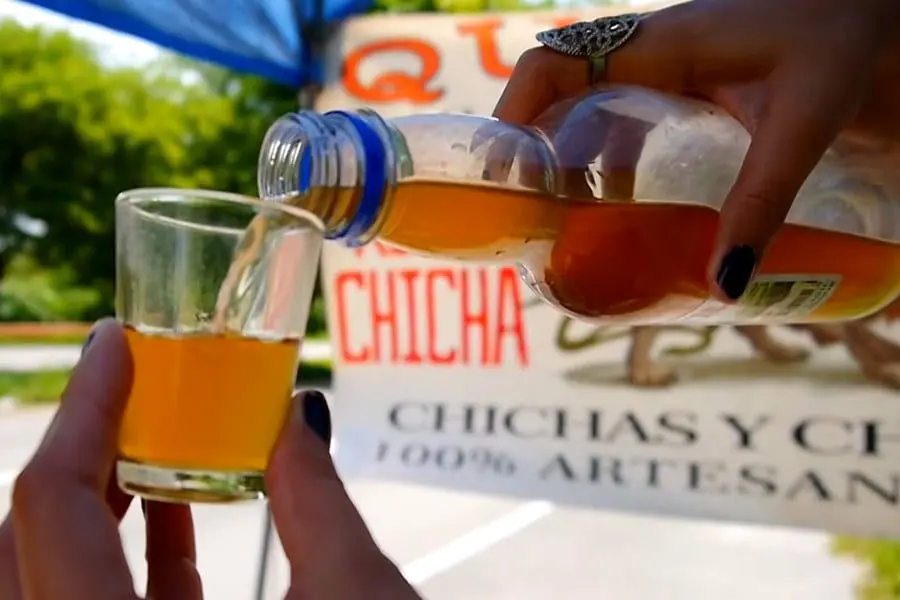
Long before bottled beer reached Central America, communities in what is now El Salvador were fermenting corn into a drink that still shows up at family gatherings and village festivals today. That drink is chicha — a homemade brew of germinated corn, unrefined cane sugar (panela), pineapple peels and spices, with roots stretching back to indigenous cultures well before European colonisation.
There's no single recipe. Families adjust ingredients, fermentation time and sweetness to taste. The typical method, described by the Salvadoran rural development group FUNDESYRAM, starts with soaking corn until it germinates, then combining it with pineapple peels, panela, water and spices like ginger, allspice and cloves in large clay vessels. Natural microorganisms convert the sugars to alcohol over several days or longer. The result can be sweet, mildly sour or noticeably strong — and because fermentation is uncontrolled, the alcohol content is anyone's guess.
Chicha comes in more flavours than you might expect. Beyond the classic corn version, Salvadorans ferment cashew apple into chicha de marañón, pineapple into chicha de piña, and tamarind, nance or other grains into regional variations that follow the harvest.
Don't confuse it with chaparro. Both share the same corn-and-panela foundations, but chicha is only fermented while chaparro is distilled — University of El Salvador research identifies chaparro as a spirit derived from fermented chicha. Chicha keeps a cloudy appearance and sweet, tangy, sometimes fruity character; chaparro comes out clear and considerably stronger. The Ministry of Economy has even backed efforts to promote commercially produced chaparro.
For travellers, chicha is a window into El Salvador you won't get from a restaurant menu. It carries indigenous agricultural knowledge, rural cooking traditions and family recipes passed down through generations. If you're offered a homemade batch in a rural community, it's worth trying — just bear in mind that traditional uncontrolled fermentation carries some food-safety risk, so favour clean, well-made preparations. And if home brewing tempts you, remember the source article's caution: without proper hygiene and quality ingredients, natural fermentation can invite harmful microbes.
A note for the curious: some Latin American countries sell pasteurised chicha commercially, so you can often sample the flavour without the homemade gamble.
Credit: El Salvador Info