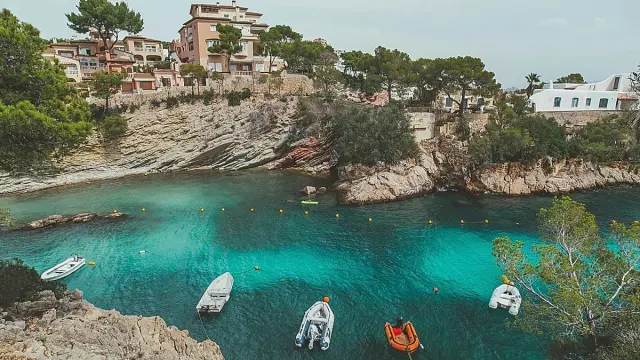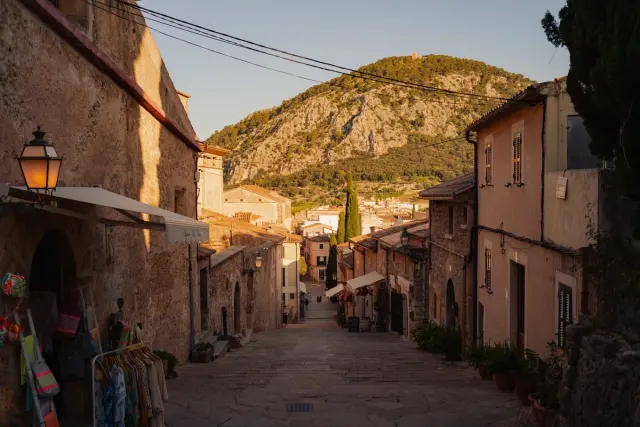
Mallorca draws upwards of 13 million visitors a year, but most of them come in summer. A recent visit in mid-September makes the case for going later: temperatures average around 27°C in September and still hover near 18°C in November, with more than 300 days of sunshine a year on the island.
The trip started in Palma, the capital where nearly half of the island's one million residents live. A walking tour through the old town reveals centuries of Roman, Gothic and Baroque architecture sitting alongside boutiques and galleries. Many of the grand old houses were once strictly divided by social rank, with nobility traditionally occupying the first floor. The skyline is dominated by La Seu, the Gothic Cathedral of Santa Maria, begun in the 13th century and worked on for 372 years. Built on the site of a former mosque after the Christian conquest, it carries Christian, Jewish and Islamic influences — and its vast stained-glass rose window is the subject of a friendly architectural rivalry with France. If your timing is right, Palma's Nit de l'Art throws galleries and street performances open to everyone; the event marked its 30th anniversary in 2026.
Lunch was at Celler Sa Premsa, a locals' favourite known for its paella. Then out of town: the Cuevas del Drach near Porto Cristo are a network of limestone chambers with dramatic stalactites and stalagmites, ending at Lake Martel — an underground lake where musicians play classical concerts from illuminated boats while you sit in the dark.
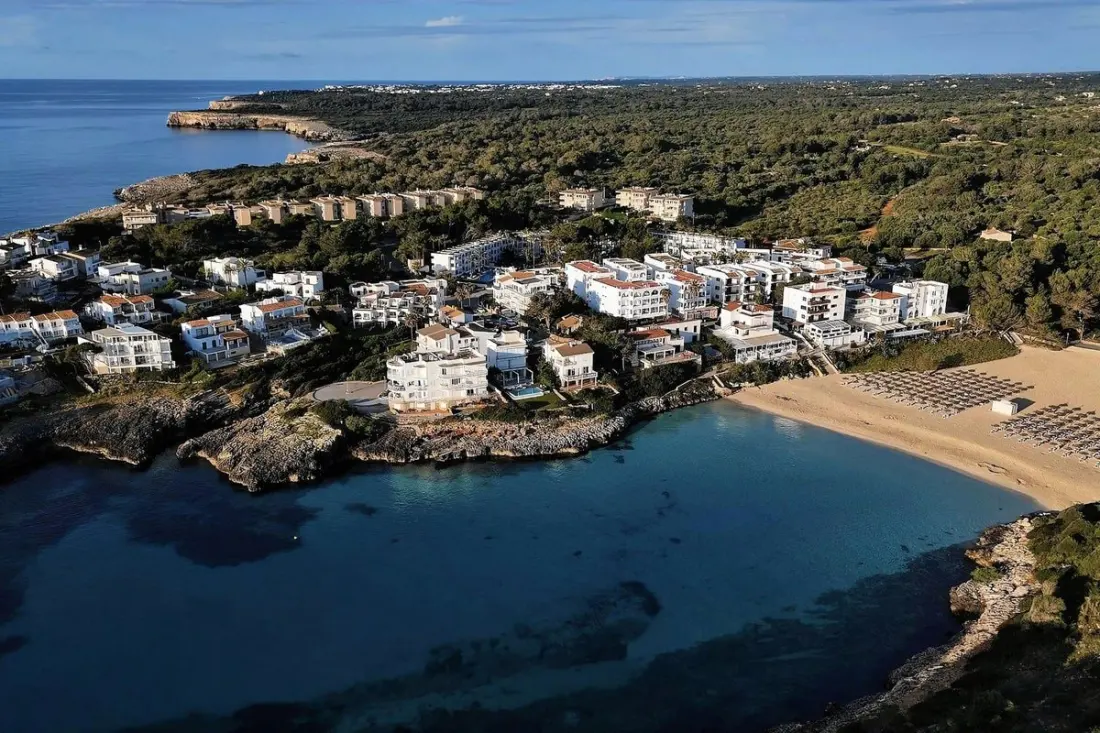
For a slower finish, Portocolom on the south-east coast is a traditional fishing village built around a picturesque harbour, with waterfront restaurants and coastal walking paths. Sunset dinner at Kaikuana Beach Restaurant wrapped up the trip. Accommodation came courtesy of the Wyndham Portocolom, a resort that reopened in April 2026 after refurbishment, 150 metres from Cala Marçal Beach. It mixes self-catering units with hotel facilities like a pool and gym, and rates start from €720 (£625) for seven nights for up to six people — a workable option for families or groups.
The takeaway for travellers: if you associate Mallorca with crowded summer resorts, the shoulder season flips the script. You get warm weather, empty-ish streets, working fishing towns and a capital city with genuinely deep history, all without peak-season prices and queues.