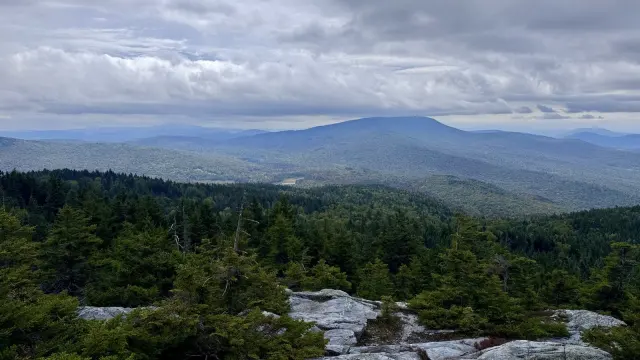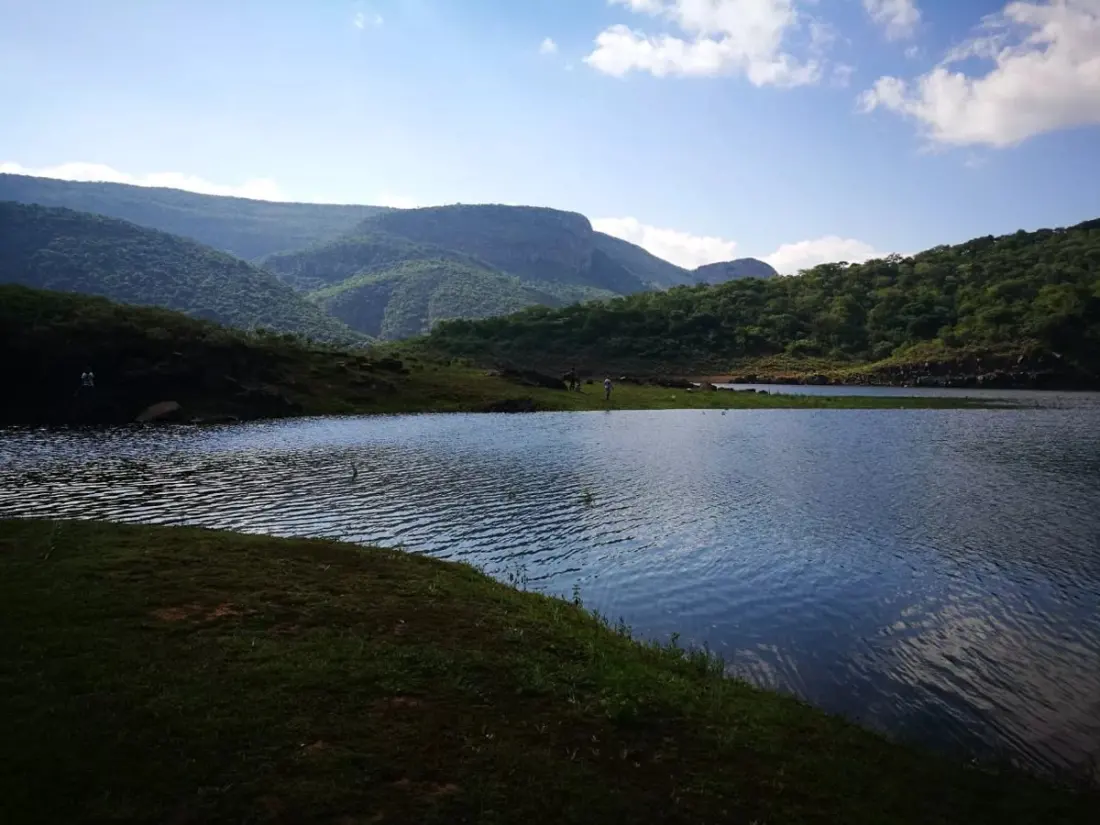
Tucked into the Soutpansberg Mountains of Limpopo, Lake Fundudzi looks unremarkable on a map — roughly 140 hectares of water stretching about 3km through forested slopes. Look closer and it's one of southern Africa's strangest and most significant natural features: a rare true inland lake, born from a landslide that dammed the Mutale River around 20,000 years ago. Sediment studies suggest the lake itself has existed for at least 10,000 years.
But geology is only half the story. For the Vhavenda people, and especially the Vhatavhatsindi clan regarded as the lake's traditional custodians, Fundudzi is sacred ground. Oral tradition tells of a traveller denied food and shelter by a village, who cursed it — the landslide that followed submerged the settlement and created the lake, its dead becoming spirits tied to the water. The lake is also linked to a great white python associated with fertility and the Domba initiation dance, and to a white crocodile said to guard ancestral spirits beneath the surface.
The sacredness extends beyond the water. The neighbouring Thathe Vondo Forest, along with rivers, wetlands and waterfalls in the Vhembe region, all carry spiritual meaning. Traditional restrictions on how these places could be used amounted to conservation long before the word existed — though agriculture, forestry and erosion now pressure the wider catchment, and rehabilitation programmes are working to restore parts of the wetland system.
Here's the crucial catch for travellers: this is not a place you can simply drive to and wander down to the shore. Access has historically been controlled by local custodians, and the community has expressed concerns about conventional tourism development. Anyone hoping to visit needs to check current access arrangements before travelling and, where permitted, go with authorised local guides.
That friction is arguably the point. Fundudzi asks something different of visitors — not a photo for the feed, but an understanding of why the place matters. It rewards the traveller willing to slow down, learn the traditions and see the mountains, forest and water as one interconnected cultural landscape, alongside nearby Phiphidi Falls and the biodiversity-rich Soutpansberg.
If you're drawn to meaningful, low-impact travel in South Africa's far north, this is a rare example of a destination that's more interesting precisely because it doesn't roll out the red carpet.