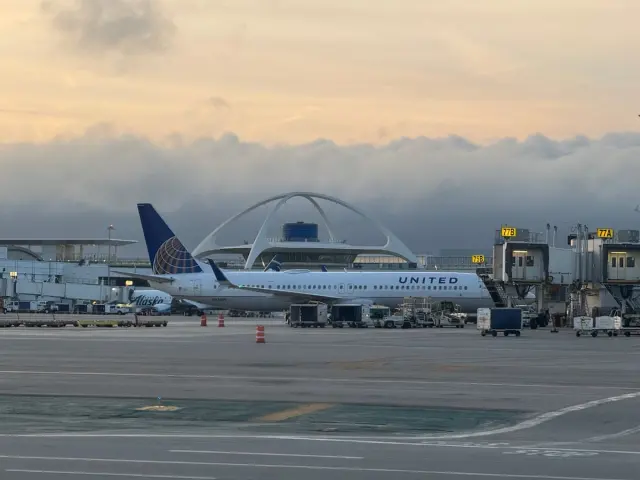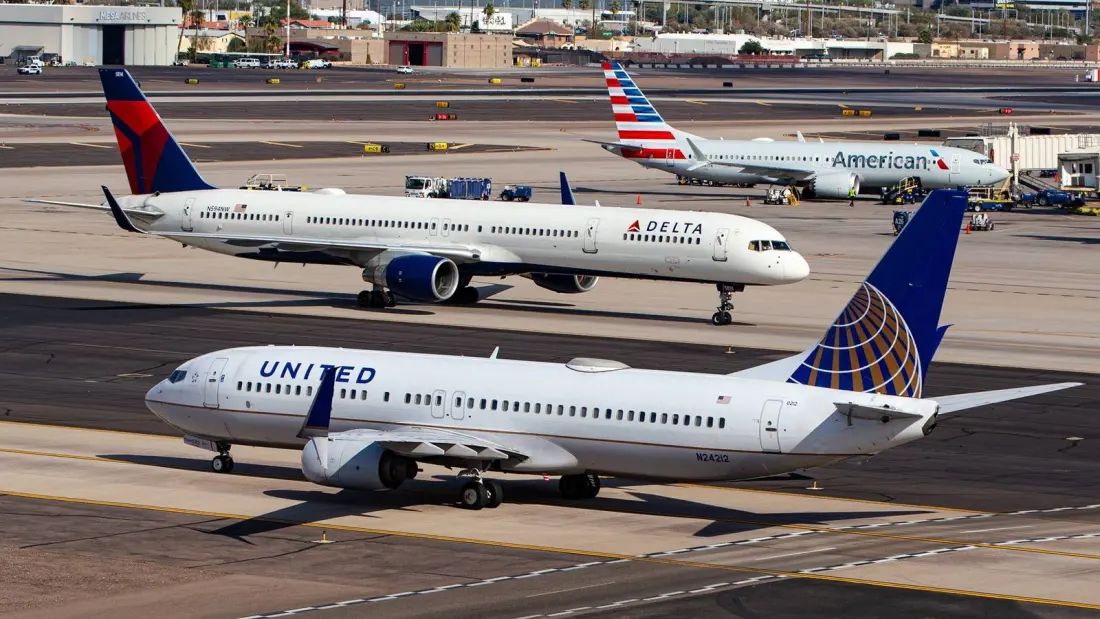
Two proposed class action lawsuits filed in the US allege that American Airlines, Delta, Southwest, United, Alaska, Hawaiian and JetBlue used shared pricing data to avoid undercutting one another — and kept domestic fares artificially high as a result.
The bigger of the two suits was filed on 4 November in Seattle's federal court, targeting the airlines plus Airline Tariff Publishing Company (ATPCO), an industry-owned organisation, and its subsidiary 3Victors. The claim centres on two 3Victors tools: Iris, which collects airlines' shopping and pricing data, and PriceEye, which lets carriers compare their fares against rivals'. The deal works like this — airlines feed their own search and fare data into Iris, and in return get access to PriceEye, effectively a live map of what everyone else is charging on every US route.
According to plaintiffs' law firm Hagens Berman, the airlines using these tools carry roughly 80% of US domestic passengers. The firm argues the setup removes any real incentive to compete on price, since a cheaper fare gets matched almost instantly by competitors. American Airlines is the only carrier to respond publicly so far, saying it prices its products independently and rejecting the claims outright.
There's history here. In 1992, the Justice Department sued ATPCO and eight airlines over similar coordination, estimating it cost travellers up to $1.9 billion between 1988 and 1992. That case ended with agreed restrictions on sharing fare information — but those restrictions have since lapsed, and the new suits claim ATPCO's 2016 dynamic pricing working group and its 2023 data-sharing programme built a fresh route around them.
The timing is awkward for the airlines. Bureau of Labor Statistics data shows ticket prices up more than 22% year-on-year, which carriers blame on fuel costs — they spent nearly $43 billion on fuel in the first eight months of 2026, $13.2 billion more than the same stretch of 2025. Meanwhile, regulators are already circling: a federal lawsuit accuses JetBlue of 'surveillance pricing' using customer data, and in October the Federal Trade Commission ordered Delta, United and JetBlue to explain how they use personal data to set fares, with 45 days to respond.
Why should travellers care? Because this is about the fundamentals of what a domestic flight costs. If airlines can see rivals' prices in real time and match any discount instantly, the price drops that used to reward flexible, patient bookers may disappear faster than ever — especially as AI-driven pricing systems respond to demand by the minute. Anyone flying domestically in the US over the next year or two could feel the impact, whichever way the courts go. If the suits succeed or regulators tighten the rules, we might see genuinely competitive pricing return; if not, expect fares to keep climbing.
For now, the practical takeaway is unchanged: book early, compare across carriers and consider flexible dates while there are still gaps to exploit. But keep an eye on this case — it could reshape how airfares are set in the US for years.
Story first reported by Simple Flying.