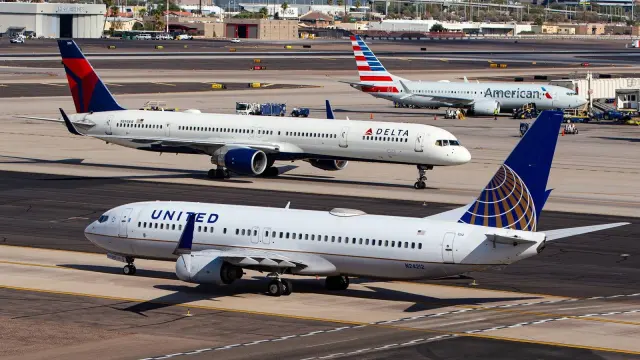
Three of the biggest names in US aviation are facing proposed class actions that claim they quietly pool passenger shopping data to keep ticket prices from dropping. The suits name American Airlines, Delta, United, Southwest, Alaska, Hawaiian and JetBlue, along with ATPCO — an airline-owned company that has distributed fares for decades — and its subsidiary 3Victors. One complaint was filed in Washington, a separate one in Virginia.
At the heart of the dispute are three data products. Iris is a shared repository of flight shopping data drawn from airline systems, booking platforms and online travel agencies. PriceEye flags when rivals undercut or overprice a route, while DemandView claims to reveal where travellers want to fly before they ever book. The lawsuits argue that exchanging this kind of information through a common platform lets airlines coordinate pricing in ways antitrust law is meant to prevent.
Why does shopping data matter? Every search you make — even one you abandon without buying — reveals demand. The plaintiffs' core argument is that when competitors can see and match a fare cut almost instantly, the airline doing the cutting gains little new business and simply earns less on tickets it would have sold anyway. That makes discounting less attractive across the board, and fares stay high. Notably, 3Victors markets Iris with the slogan "the more you contribute, the more you receive" — exactly the kind of reciprocity the suits zero in on.
There's a fair counterargument, though. Airlines have always checked each other's prices, and travellers do the same on comparison sites. If American spots United charging $100 less on a similar route, matching that fare benefits everyone. Better demand data can even push carriers to add service where searches show unmet appetite. Seeing a competitor's fare isn't collusion — the legal question is whether reciprocal access to sensitive, non-public information crosses the line. That's what courts would have to untangle if these cases reach discovery, and even sympathetic commentators note the airlines look like they hold the stronger arguments right now.
For anyone booking flights, the stakes are simple: an industry where rivals can anticipate each other's moves has less reason to compete for your money. Airlines have gotten remarkably good at figuring out what each of us will pay; the hope is they stay equally worried about another carrier undercutting them. Nothing here proves wrongdoing yet, and fares won't move overnight, but if the lawsuits surface internal communications showing coordinated pricing, it could reshape how airlines buy and sell data — and how much you pay to fly. Worth keeping an eye on, especially if you fly US routes regularly.