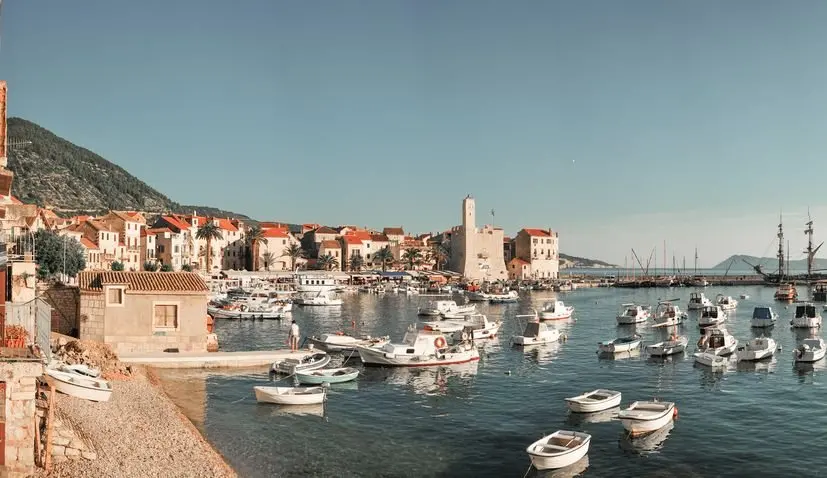
Croatia has become the first Mediterranean country to roll out a new assessment tool called Habitability, which measures how liveable island communities actually are — not by distance from the mainland, but by the realities of daily life. The project kicked off with a three-day training course from 6 to 8 November in which nine residents from Vis and Brač qualified as local trainers.
The methodology uses 45 indicators across seven areas, mixing official statistics with local knowledge. It looks at healthcare access, ferry and transport links, water supply, jobs, infrastructure, seasonal population swings and whether essential services are available year-round. The thinking is refreshingly practical: for an islander, a missed ferry can cost a full working day, a hotel night or a postponed medical appointment — things a mainland metric never captures.
Backed by the Socialists and Democrats Group in the European Parliament and the office of Croatian MEP Tonino Picula, the project was led by Habitability founder Christian Pleijel, Finnish expert Erika Englund, Professor Nenad Starc and Ivan Matić of Pokret otoka. OECD research cited at the training suggests Croatian island municipalities spend roughly 29% more per resident than comparable mainland ones, even after accounting for geography and demographics — evidence Picula says justifies island-specific criteria in EU and national policy.
Next, the newly trained experts will produce Habitability reports for Vis and for Supetar on Brač, with findings going to the mayors to inform local planning and push for island-aware policies in Zagreb and Brussels. Lessons from Croatia will also feed into a Mediterranean edition of the methodology handbook.
The policy work touches issues travellers rarely see but directly benefit from. During his visit, Picula met the mayors of Vis and Komiža to discuss a new fire station, protecting the traditional Vis and Komiža pogača, and — crucially — water. Vis relies almost entirely on its own springs and isn't connected to the regional network, so proposed water reform has locals worried about losing control of a system the island's tourism and population depend on.
Why does this matter to visitors? Croatia's islands survive on seasonal tourism, and tools like Habitability push authorities to fund the ferries, clinics, water systems and year-round services that keep places like Vis and Brač liveable outside July and August. Travellers who love these islands in the shoulder season are, in effect, counting on exactly this kind of data-driven advocacy. Anyone heading to Vis or Brač can also expect the familiar pleasures to stay intact — from Komiža's fishing-town charm to the protected pogača that may soon carry formal recognition.