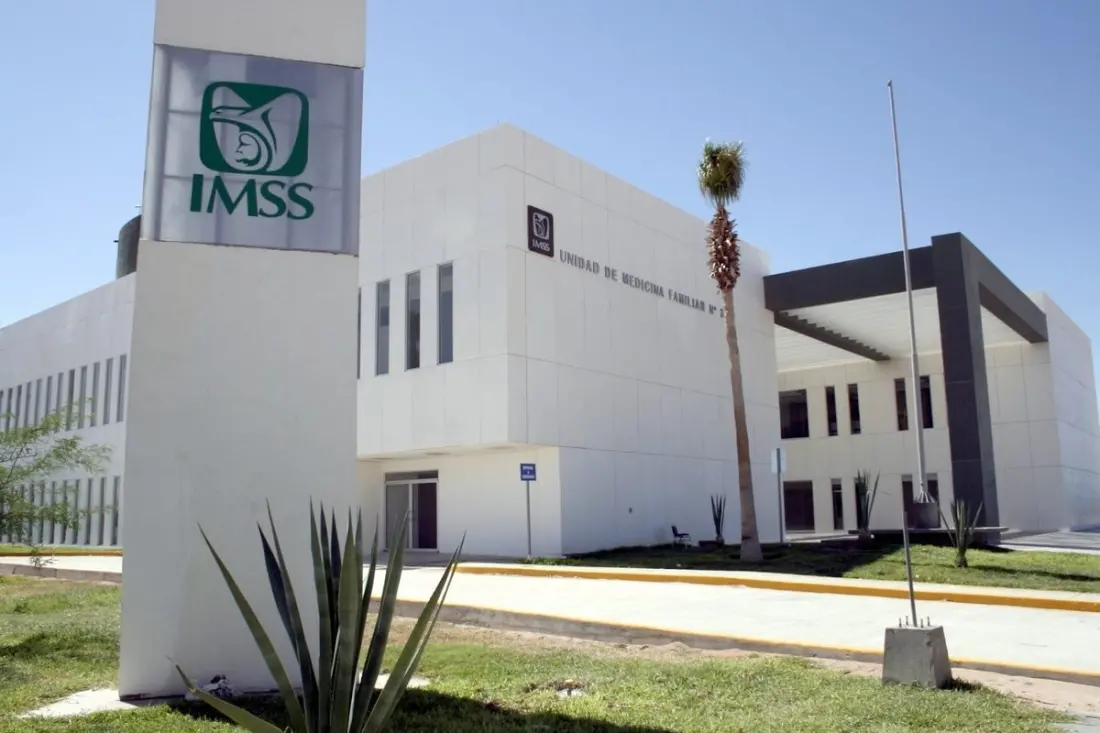
Anyone planning an extended stay in Mexico — especially retirees and remote workers on residency permits — will eventually face the healthcare question. The country's main public system is run by the Instituto Mexicano de Seguro Social, known universally as IMSS, and it's open to more people than you might think.
There are two doors into the system. Formal employees in Mexico are enrolled automatically through payroll contributions, split between the federal government, employers and workers — and this applies to foreign employees too, regardless of any private insurance they hold. The second route is voluntary enrollment (officially called Seguro de Salud Para La Familia), aimed at people not in formal employment, such as retired foreign residents. Crucially, you need legal residency — Residente Temporal or Residente Permanente — to qualify. Tourists on visitor permits can't sign up, and IMSS coverage only works inside Mexico; it won't follow you across any border.
The cost is age-based and charged annually. As a benchmark, someone in their sixties currently pays around 18,300 pesos a year, so a retired couple of similar age would be looking at roughly 37,000 pesos combined — a fraction of most private international policies. Applications can be made online or at a local IMSS office, though everything is conducted in Spanish, so non-speakers should bring a bilingual friend or hire an interpreter. Once approved, you pay the fee at a bank, and coverage kicks in on the first day of the following month. You're then assigned to a local clinic; prescriptions from your assigned doctor are free at the IMSS pharmacy, though not every medication is stocked and some must be bought privately.
The fine print matters. Certain preexisting conditions — malignant tumors, chronic degenerative diseases, addictions, mental illness, HIV among them — bar you from enrolling entirely, while others carry waiting periods before you can be treated. Coverage also skips dental, eye care, elective surgery, infertility treatment and medical evacuation. And expect a different culture of care: waiting lists are real, formally employed members get priority over voluntary ones, and hospital patients in the public system typically rely on family to bring food and amenities. Experiences vary widely by location — some foreign residents praise the care, others are frustrated.
Why does this matter to travellers? For anyone weighing a snowbird season versus full residency, IMSS is the budget backbone of Mexican healthcare planning. It's often paired with private insurance rather than replacing it — many residents use IMSS for routine care and check-ups and go private for speed or specialist work. If you're only visiting short-term, travel insurance remains the sensible route, since IMSS simply isn't available to you. But if Mexico is becoming more than a holiday, understanding enrollment timelines, the residency requirement and the exclusion list is essential groundwork before you commit.