Travellers between Spain and Italy should soon get their friction-free Schengen trips back. The two governments are coordinating the end of temporary border controls on air and sea routes — checks that have been in place since late July and turned a straightforward Madrid-to-Rome flight into something closer to an international arrival.
The dispute began after a mass arrival of migrants in Ceuta, Spain's North African enclave, from neighbouring Morocco at the end of July. Giorgia Meloni's government responded by introducing checks on passengers arriving from Spain, citing border protection and security concerns. Madrid hit back with equivalent controls on arrivals from Italy, and both sides kept extending the measures month after month. Spain's foreign minister, José Manuel Albares, did not mince words, calling the Italian move 'absurd' and a 'disgrace'.
Now the tone has shifted. Rome announced it would extend its controls by just seven days — long enough to line up a coordinated withdrawal with Madrid, whose reciprocal checks run until 22 October. Spain's interior minister, Fernando Grande-Marlaska, and his Italian counterpart, Matteo Piantedosi, are due to meet to work out the details. Both governments say the goal is to replace the checks with agreed cooperation measures, though what those alternatives look like has not yet been spelled out.
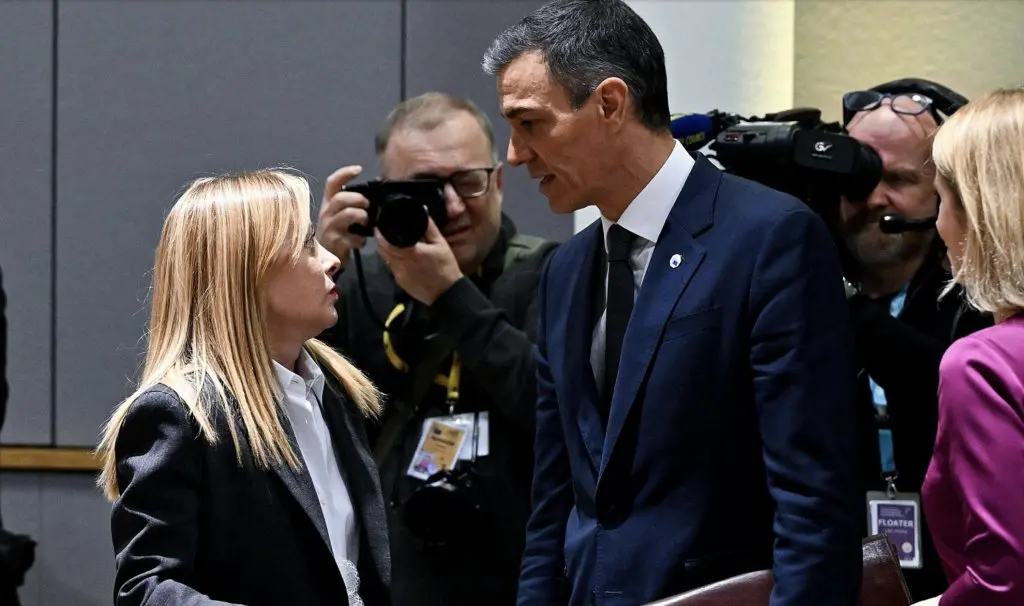
The timing is no accident: the announcement landed as Prime Minister Pedro Sánchez and Meloni were both at the EU summit in Brussels, where migration was the final item on the agenda. Lifting the controls would remove the most visible symptom of the row, but it won't settle the deeper disagreement between Madrid and Rome over migration policy — so expect the political noise to continue even once passport-free travel resumes.
For holidaymakers, the practical takeaway is simple: if you're flying or sailing between the two countries in the next week or so, keep your passport handy and allow a little extra time at airports and ports. After that, the plan is to return to normal Schengen travel, where flights from Barcelona to Milan or ferries on Mediterranean routes no longer involve routine document checks. Anyone booking trips for later in the year can reasonably expect seamless connections again — though it's worth keeping an eye on the news until the withdrawal is formally confirmed, since both governments have extended these measures before.
The episode is also a reminder of how quickly internal Schengen borders can snap shut when politics intervene. Free movement within the zone is the default, not a guarantee, and national governments can temporarily reintroduce checks at short notice. For anyone planning multi-country European trips, building a small buffer into tight connections — and travelling with a valid passport or ID card even on 'domestic-feeling' routes — remains smart practice.
Full story from Spain in English.