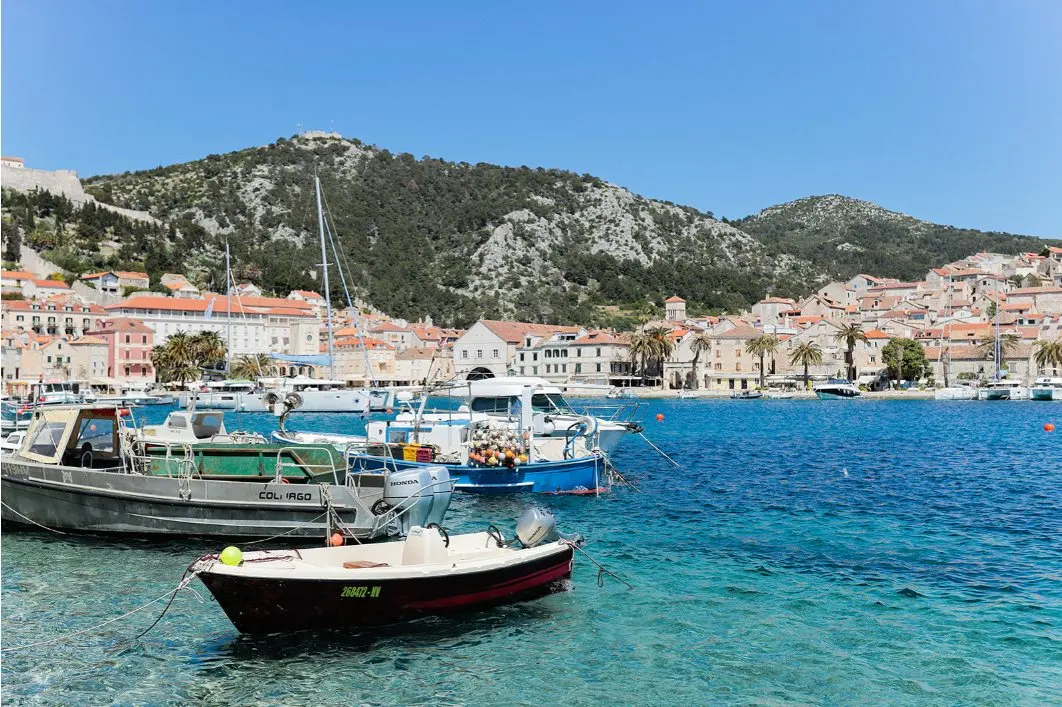
Hvar Town quietly hosted one of the luxury travel industry's most influential gatherings this October, and it says a lot about where Croatia's island tourism is heading. From October 5-8, more than 150 professionals from over 30 countries — event planners, wedding designers and creative producers — arrived for the RSVP Symposium, a global membership community that connects high-end buyers with destinations and venues. It's the kind of invitation an island has to earn.
Hvar earned it partly through years of deliberate reinvention. The island's hotel group, Suncani Hvar Hotels, has poured investment into its portfolio, including Palace Elisabeth, which opened in 2019 as the first five-star hotel on any Dalmatian island. The results show up in the visitor stats: American travellers now top the list for both arrivals and overnight stays on Hvar. The symposium itself was hosted by Suncani Hvar, which also lobbied to bring the event to Croatia in the first place.
The choice of venue wasn't just marketing. Palace Elisabeth stands on the spot where organised tourism in Europe began back in 1868, and across the main square sits the oldest public theatre in Europe — both used as event spaces. Hvar also claims more UNESCO-listed heritage than any other island in Europe, and the gala dinner leaned into it: tables dressed with Hvar's protected agave lace, a craft tradition you won't find anywhere else.
The three days were structured around themed showcases rather than generic networking. Hotel Adriana opened with "1001 Dalmatia," a cocktail evening riffing on white limestone and the Adriatic. The signature gala dinner at Palace Elisabeth, "Veiled Intentions," paired the island's heritage with contemporary design. And the closing beach party at Beach Club Hvar, "Electric Enlightenment," honoured Nikola Tesla — born in what's now Croatia — with immersive lighting and music.
For holidaymakers, the takeaway is straightforward: Hvar is no longer just the party island of the Pakleni-backed summer scene. It's positioning itself at the top end of the market with serious five-star accommodation, a gastronomy and heritage story to match, and international validation from the people who plan the world's most expensive weddings and events. Expect more polished, high-price offerings — and, if you time it right, an island that still delivers limestone old towns, lavender fields and clear Adriatic water without the crowds of nearby Split or Dubrovnik.