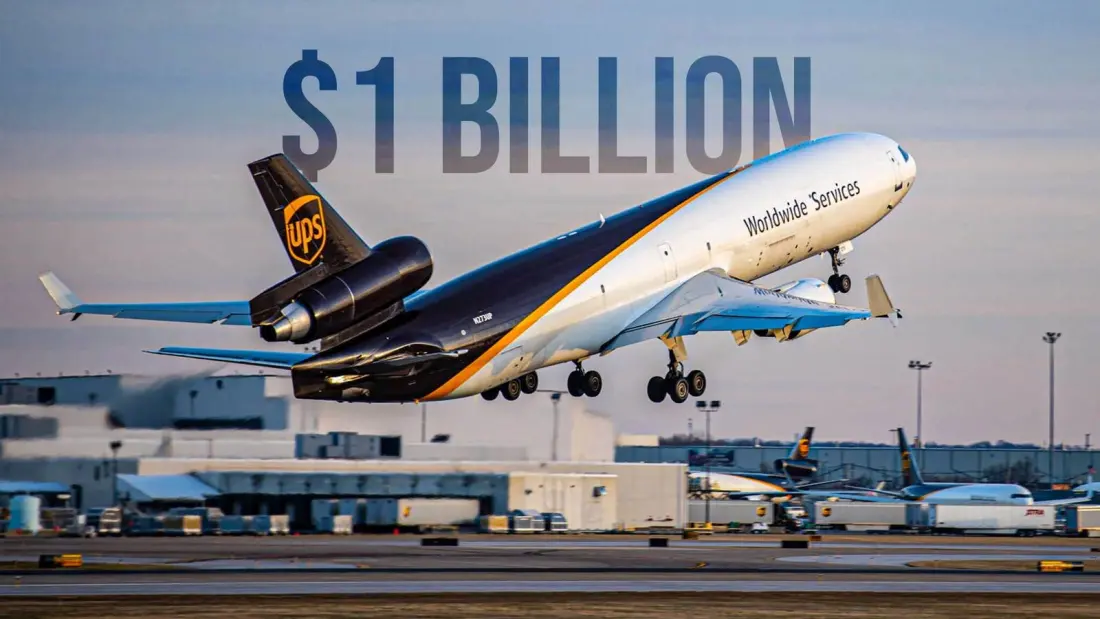
The world's third-busiest cargo airport is quietly building a passenger terminal fit for the world stage. Louisville Muhammad Ali International Airport (SDF) has watched its SDF Next capital program balloon from an estimated $200 million in 2018 to more than $1 billion today, and the centrepiece is something the airport has never offered: the ability to process scheduled international passenger arrivals.
Two projects matter here. The first is a $45 million, 30,000-square-foot security checkpoint with 10 screening lanes, due to open in early 2027 — a visible fix for a terminal that has outgrown its network. The second, and more consequential, is a Federal Inspection Services (FIS) facility targeted for 2029. Without FIS capability, no US airport can accept commercial passengers arriving directly from abroad. Once it opens, airlines could fly nonstop from Louisville to international destinations rather than funnelling travellers through hubs like Chicago or Atlanta.
Louisville's growth makes a surprisingly strong case. Nonstop destinations have jumped from roughly 24 in 2018 to more than 40 in 2026, with low-cost carriers Breeze and Spirit expanding options. Passenger numbers hit a record 4.8 million in 2024 and stayed above 4.5 million the following year. Even more telling: market leakage — locals driving to bigger airports to fly out — has fallen from about 18% to 7-8%, suggesting travellers increasingly start trips at home.
The airport also has an unusual head start, courtesy of freight. SDF is the home of UPS Worldport, a 5.2-million-square-foot sorting hub, plus a $220 million hangar built to hold two Boeing 747-8 freighters side by side. The airfield already handles some of the largest aircraft flying, and the airport processed about 7.49 billion pounds of cargo in 2025. A geothermal wellfield and a $32 million microgrid add resilience most airports its size lack. In short, Louisville doesn't need to build an international-capable airfield — it inherited one.
The open question is demand. The Kentucky Derby fills planes for one weekend a year, but a viable transatlantic route needs year-round traffic. Smaller-gateway models like Aer Lingus via Dublin or Icelandair via Keflavik show you don't need Atlanta-scale volumes to make international work — just the right aircraft and a compelling local market.
For travellers, the takeaway is straightforward: Louisville is becoming a genuine origin airport rather than a place you pass through. If you live in Kentucky or the surrounding region, the 2029 FIS opening could eventually mean skipping a connection entirely for trips abroad. And in the meantime, the bigger checkpoint arriving in 2027 should mean shorter lines and a smoother terminal experience for everyone flying the 40-plus domestic routes already on offer.