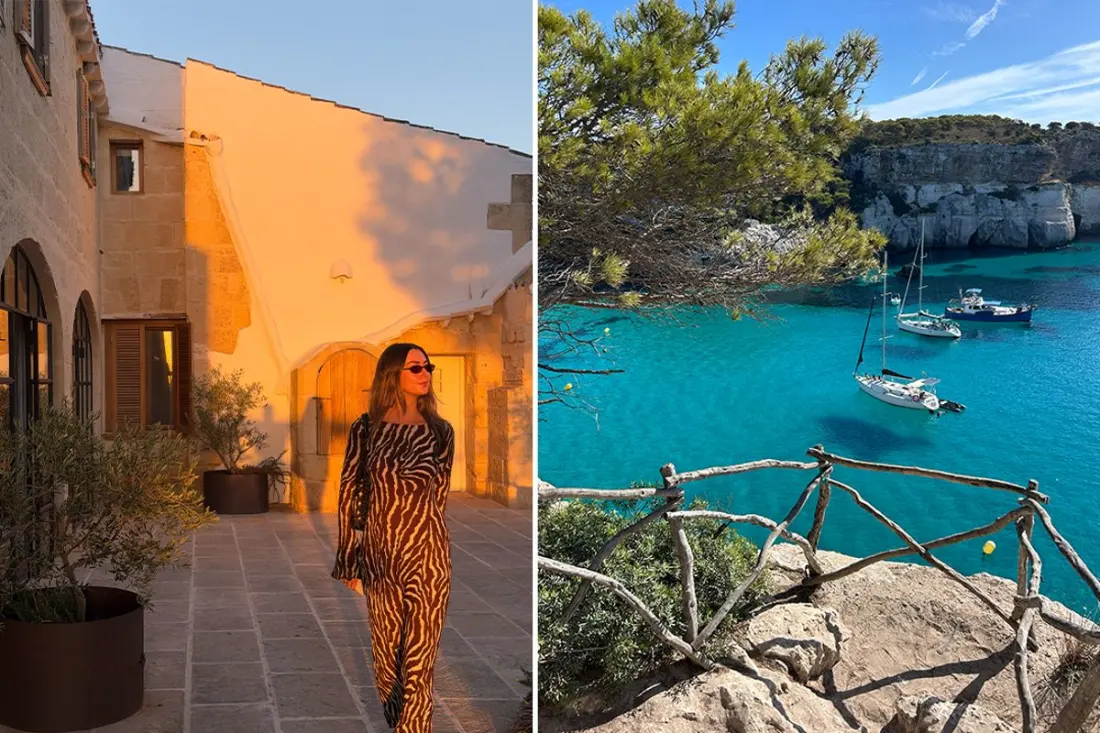
Swim off a white-sand cove with barely another person in sight and you could believe you're in the Indian Ocean. But this is Menorca, the quieter sibling of Mallorca and Ibiza, where Unesco Biosphere Reserve status has kept high-rise resorts out and left the countryside, coves and marine life remarkably intact. Its neighbours pull in the crowds — Mallorca drew 13.5 million visitors in 2025, Ibiza and Formentera 3.7 million — while Menorca got just 1.7 million. Locals admit September is now busier than it used to be, so the window for feeling like an early adopter is narrowing.
The island's big change is its hotels. Rather than resort blocks, the new wave is rural and restorative: Menorca Experimental, opened in 2023 by the Experimental group, is a 19th-century finca with 34 rooms, a spa and a destination restaurant. Agrotourism is thriving too — Amagatay in the south has one of the island's most talked-about restaurants, while Morvedra Nou in the north converts old farm buildings into rooms with olive groves for company. The Vestige Collection goes further, rescuing abandoned manor houses for sustainability-focused luxury stays at Son Vell, Son Ermità and the new Binidufà, all with farm-to-fork dining.
Eating and drinking here goes beyond the beach bar (though Bucaneros at Playa de Binibeca, in a 1960s fishing hut with a red door, and the hilltop seafood spot Bar Som Sis at Cala Binidalí are worth seeking out). Menorca's olive oil is the local pride, but wine is the underrated story: vines date back to Roman times, wines earned PGI status in 2002, and nine artisanal wineries now welcome visitors — Bodegas Binifadet does relaxed tastings plus dinner.
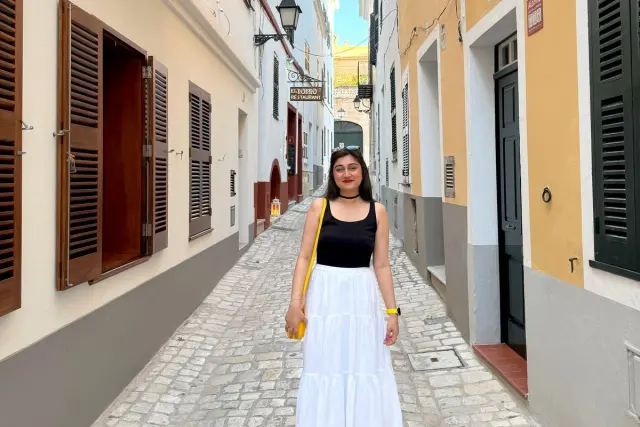
Culture splits between two towns. Ciutadella, the old capital, layers Roman, Islamic and Christian history into medieval streets, palaces and a lively food scene. Mahón, the modern capital and a former British naval base, has become a contemporary art hub, with independent galleries and a Hauser & Wirth outpost on Illa del Rei in a restored 18th-century naval hospital.
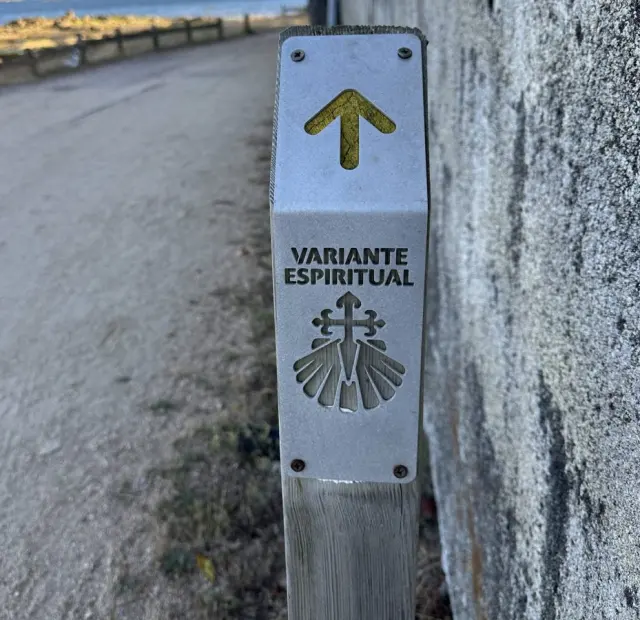
The best way to see the island is slowly. The Camí de Cavalls, a 185km historic trail, loops the entire coast and links beaches you can't reach by car — the stretch between Cala en Turqueta and Macarella passes through pine forest with barely a soul around. Expect to hike, cycle or ride, not to lounge on rented sunbeds; that absence is precisely the appeal.
For travellers priced out or burnt out by Mallorca and Ibiza, Menorca now offers boutique stays and serious restaurants at often lower cost, without the party-club soundtrack. Getting there is easy: EasyJet, Jet2, Ryanair, British Airways and Tui fly from UK airports to Mahón from around £38, and car hire runs roughly €220 for three days.
Story via The Independent Travel.