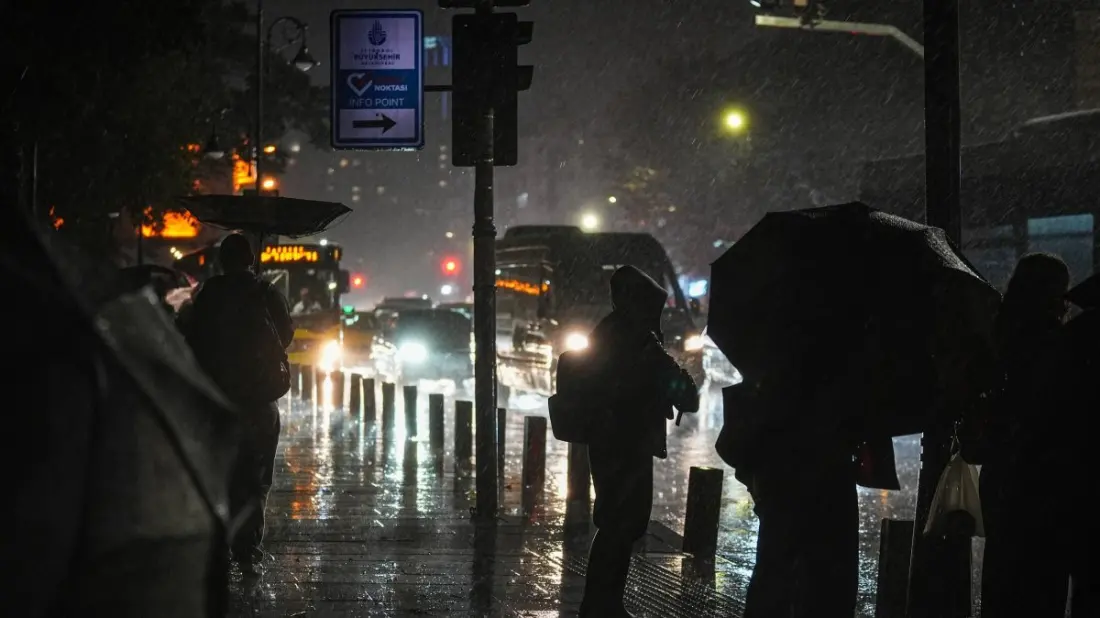
A single day of torrential rain brought Istanbul to a grinding halt on Wednesday, with the Istanbul Governor's Office logging 1,277 flooding incidents, 15 landslides and 47 people who had to be rescued after being stranded. Traffic density across the city hit roughly 90% during the evening rush, and hundreds of homes and businesses took on water.
The scale of the deluge varied wildly by district. Beykoz's Ömerli area on the Asian side took the worst of it, recording 193.84 kilograms of rain per square metre, while Arnavutköy and Sarıyer's ITÜ Maslak area saw more than 124 kilograms each. Further out, Çatalca logged 75.2, while Kartal and Bakırköy on the edge of the storm got away with under 15. In total, reports came in covering 808 homes, 280 businesses and 76 vehicles damaged, plus 13 fallen trees and two ripped-off roofs.
The response was substantial. A crisis coordination centre was set up at AFAD, Turkey's disaster and emergency management authority, after warnings from the state meteorological service. Around 8,000 personnel and 2,000 vehicles and construction machines were deployed across the city, drawing on teams from AFAD, the Istanbul Metropolitan Municipality and district authorities. Social service staff at residential care facilities were exempted from administrative leave to keep care services running.
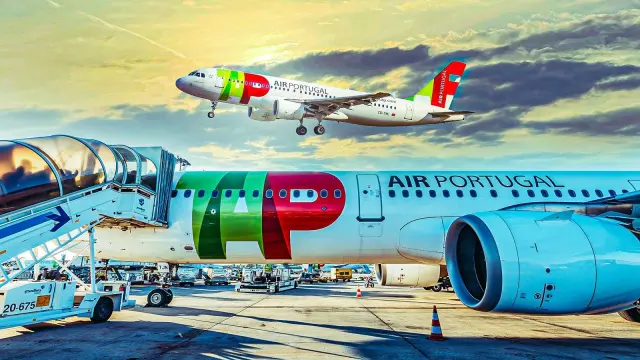
Here's the part that matters most if you're flying in or out: despite the chaos on the streets, no roads stayed closed and airport runways operated normally, with no flight cancellations reported. Public transport was packed as commuters abandoned their cars, but services kept moving. Emergency operations were ongoing as of the latest update, and officials said the situation was being closely monitored.
For anyone with a trip to Istanbul in the diary, this is a good reminder that autumn downpours can overwhelm the city's drainage quickly, and that a rainy forecast here means gridlock, not just wet shoes. Build generous buffer time into any airport transfer, keep an eye on Turkish Meteorological Service warnings, and consider the metro or Marmaray over taxis when the skies open — rail lines under the Bosphorus tend to be the most reliable way across a flooded city.