Macao is gearing up for a milestone worth planning a trip around. In 2027 the former Portuguese enclave marks a decade since being named a UNESCO Creative City of Gastronomy, and the local tourism office says a full calendar of food events will roll out across the year.
What makes the city's food scene unusual is its blend of histories. Macanese cuisine — often described as one of the world's earliest fusion cooking traditions — mixes Portuguese and Chinese influences built up over more than 400 years, and has been officially protected as intangible heritage since 2012. The government is now working with academics, community groups and overseas Macanese families to build a database documenting these dishes, with a similar project for Cantonese food in the works.
The dining range is genuinely wide. Macao currently holds 21 Michelin-starred restaurants (from one to three stars) plus 13 Bib Gourmand picks, yet the real character often lies in humble spots like Ng Teng Kei, a shop hand-making red bean cakes since 1949. From October to May it also sells martabak manis, a fluffy chocolate-stuffed sponge that's a regional favourite.
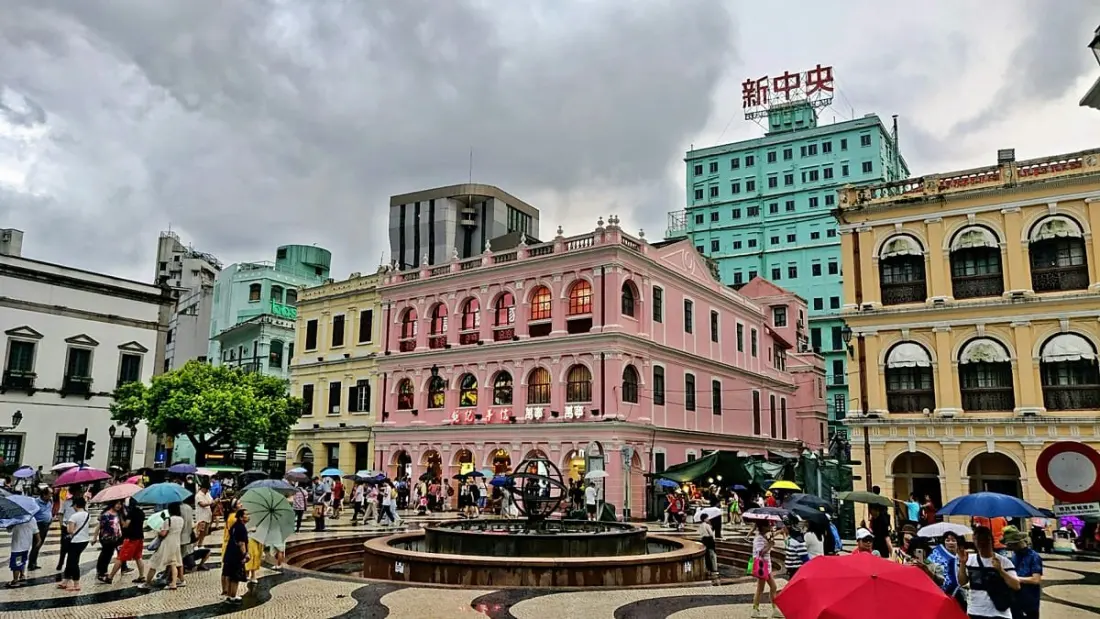
Food isn't a side note here — it accounts for up to a quarter of what visitors spend. Beyond the table, the city is nudging tourists past the usual highlights. Senado Square, ringed by pastel neo-classical buildings, draws the crowds, but officials want travellers to explore quieter neighbourhoods too, with free shuttle buses running from the major resorts and central sightseeing zones into community areas. Small businesses are getting help too, through social media promotion support and subsidies to upgrade their premises, plus new festivities designed to draw visitors off the beaten track.
There's plenty to fill the non-eating hours as well: museums, flower gardens, fortresses and historic churches, many dating to the Portuguese arrival in the 16th century.
For travellers, 2027 is a smart year to go — the anniversary programming means food festivals and events on top of an already dense dining scene, and the push into lesser-visited districts should make the city feel less like a resort corridor and more like a place to wander. Come hungry, and leave room for both a tasting menu and a street-side cake.