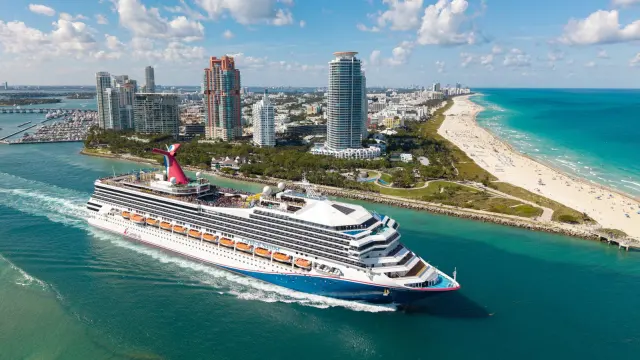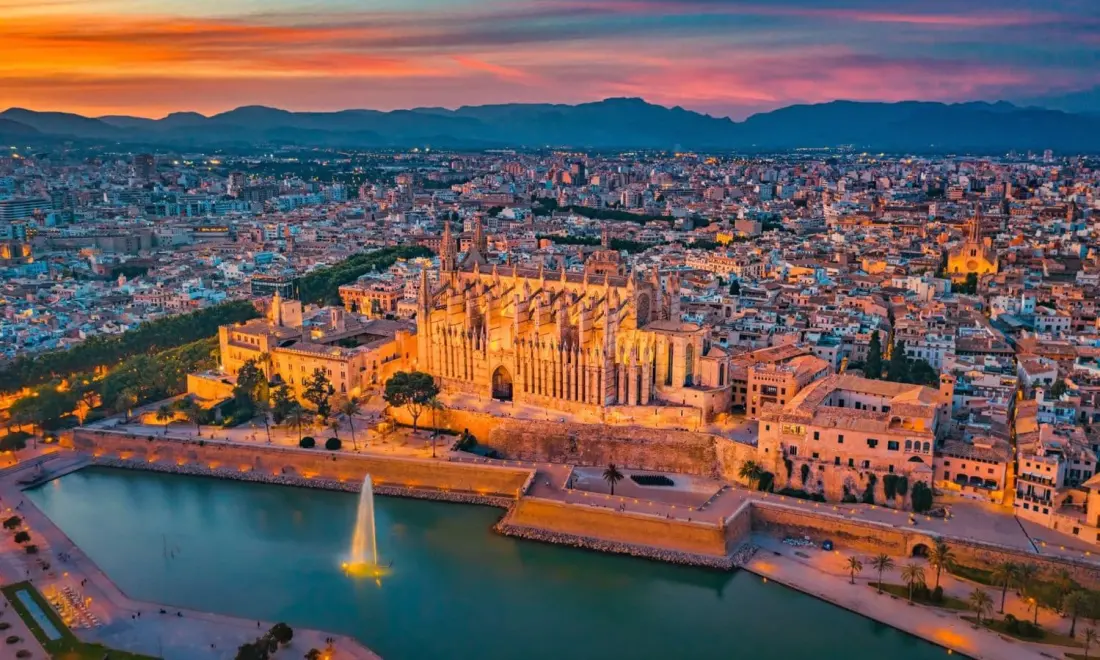
Mallorca is the latest Mediterranean hotspot to rein in cruise tourism. The island's government has signed an agreement with industry body CLIA limiting Palma to three cruise ship arrivals per day, with a combined maximum of 7,500 passengers across those vessels. Only one of the three can be a mega-ship carrying more than 5,000 passengers, and the Balearic Sustainable Tourism Tax for cruise passengers has also been raised to as much as €6 per day.
The island welcomes over 13 million visitors a year, of whom roughly 1.4 million — just over nine per cent — arrive by cruise. That's the context for a debate about whether the caps will actually ease pressure on residents. CLIA's Spanish director Alfredo Serrano points out that cruise calls in Palma are already down 16 per cent on pre-pandemic levels while other tourism keeps growing, so singling out ships may do little to reduce overall crowds. Cruise lines, including MSC CEO Fernando Pacheco, counter that passengers spend heavily in shops, restaurants and on excursions, and that many extend their stay on the island before or after sailing.
Mallorca is far from alone. Greece now charges cruise passengers up to €20 each to step ashore at Santorini and Mykonos in peak summer, and Santorini caps disembarkations at 8,000 a day. Amsterdam is cutting its ocean cruise limit from 190 calls a year to 100 from 2026 and adding a €15 per-passenger day tax. Barcelona is closing two central cruise terminals by late 2026, with passenger taxes rising to €30 by 2030. Cannes bans ships over 1,000 passengers from its main harbour from 2026 and limits cruise visitors to 6,000 daily, while Valencia has barred mega-ships from its city port.
Elsewhere, Venice charges day-trippers €5 to €10 on busy days, Dubrovnik allows just two large ships daily with 4,000–4,500 total disembarkations, Lisbon takes a flat €2 per cruise passenger, Norway lets port towns add a 3% tourist tax and is pushing zero-emission rules for its fjords, and Iceland now taxes cruise passengers 1,000 ISK per cabin per night.
For cruisers, the message is simple: check your itinerary and budget carefully before booking a European sailing. Popular ports may have fewer berths, timed slots, or new per-person taxes that appear on your fare — and some itineraries could swap city-centre docks for tender ports farther out. On the flip side, fewer ships in port on any given day should mean quieter old towns and shorter queues at the big sights when you do go ashore.