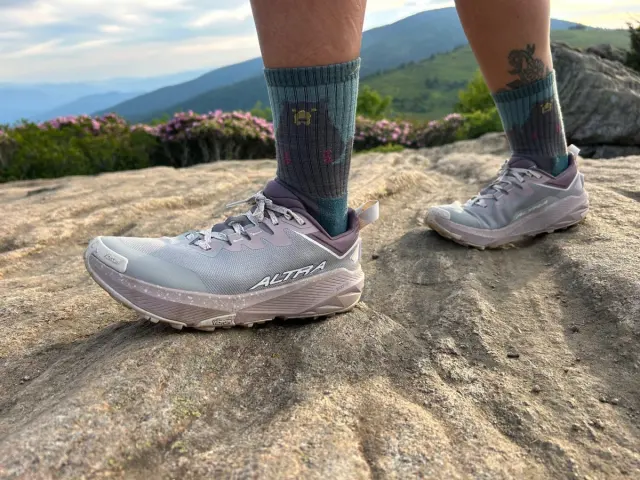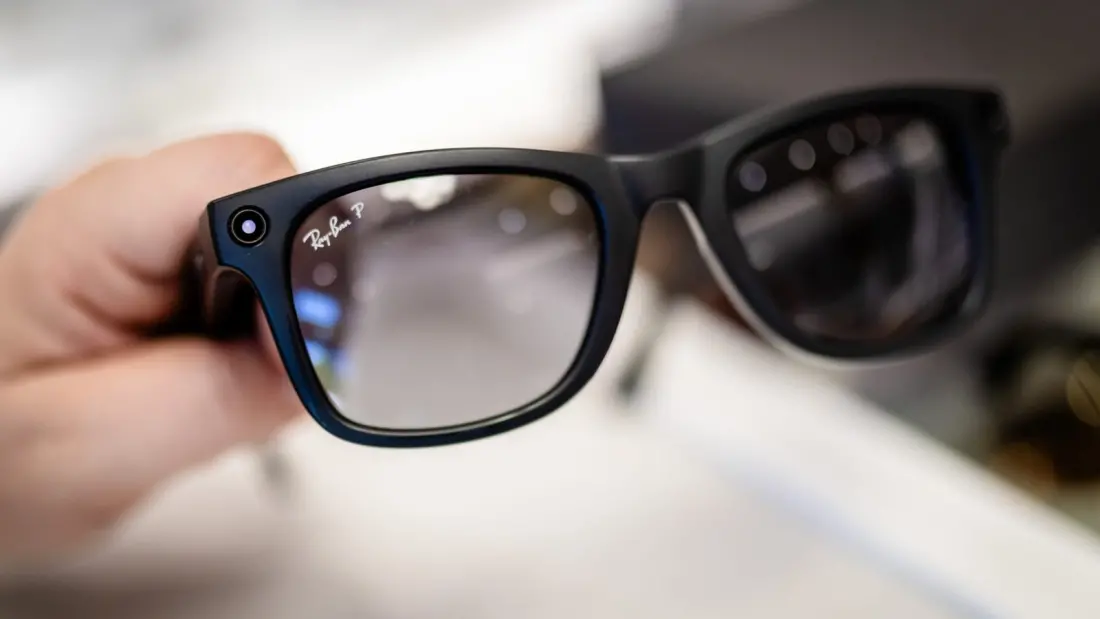
A patent application Meta published on 15 October sketches out a feature aimed squarely at hikers: software that listens for context — the sound of a waterfall, you exclaiming about a bird, a heart-rate spike from a connected watch — and automatically edits your trail footage into a highlight reel. Sounds handy. The backlash, though, is about everything else the glasses might be doing while you walk.
Smart glasses have already picked up an unflattering nickname — 'pervert glasses' — after well-publicised incidents of users covertly filming women in public. Governments from Norway to New York have weighed restrictions, and venues from theatres to swimming pools have banned them. The optics problem hasn't hurt sales: Meta reportedly shifted 7 million pairs in 2025 alone, and the eyewear is now a common sight on bike paths and in restaurants.
The hiking feature is only part of the picture. This summer, Wired found code in the glasses' software for a facial recognition system, 'Name Tag', which would identify people you encounter and pull up information about them via Meta's AI assistant. The code was removed after the report, but Meta has stayed quiet about its future plans — and researchers have already shown the glasses' footage can be livestreamed into existing face-recognition engines. The recording indicator LED, regulators note, is hard to see in bright sunlight, and cheaper rival models often lack one entirely.
There's more fuel for the sceptics. A Swedish newspaper investigation found subcontractors reviewing sensitive user footage — including nudity and bathroom clips — to train Meta's AI. And cloud-stored video is available to law enforcement with a warrant; Meta's own transparency reports show it complied with 88.8% of formal government data requests in a recent six-month period.
Why does this matter to hikers specifically? Because the backcountry is one of the last places where you're not on camera. Between doorbell cams, dash cams and licence plate readers, an average city dweller can spend an entire day inside someone's field of view. The trail has remained the exception — and a wearable that records everyone you look at could quietly end that. The author's argument is less about personal freedom than shared impact: the wearer gets the souvenir video, while everyone else on the path absorbs the surveillance cost. The burden isn't evenly spread either — roughly two-thirds of prospective smart glasses buyers are men, while women consistently report more concern about the cameras and facial recognition.
To be fair, the glasses are genuinely transformative for blind and low-vision users — about 8% of buyers cite accessibility, per a Security.org report — but that group isn't who the proposed hiking features are aimed at. The open question for the rest of us: is an auto-edited highlight reel worth carrying a face-mounted camera into one of the few places left without one?
Story via Backpacker.