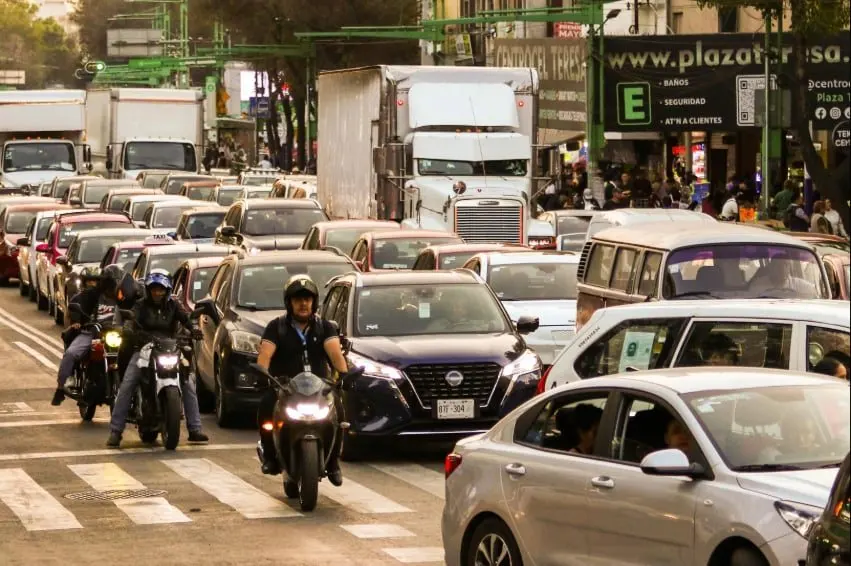
Mexico City has reclaimed an unwelcome crown: TomTom's annual Traffic Index names it the most congested city on the planet for 2025, with an average congestion level of 75.9%. That means a typical drive takes more than three-quarters longer than it would on clear roads. Barranquilla in Colombia, which had knocked the Mexican capital off the top spot in the previous edition, has been pushed back down, with Bengaluru (74.4%) and Dublin (72.9%) rounding out the top three.
The numbers behind the ranking are stark. Covering 10 kilometres in Mexico City took an average of 34 minutes and 29 seconds in 2025 — nearly a minute worse than the year before. In a 15-minute window, drivers managed about 4.4 kilometres, and during rush hour the average speed dropped to just 13.5 km/h. Add it up and each motorist lost 184 hours to peak-time congestion across the year, or seven days and 16 hours sitting in traffic.
The single worst day was Wednesday, May 28, when average congestion hit 117% and peaked at a staggering 167% at 3 p.m. Despite the grim headline, there was marginal improvement: congestion fell 3.6 percentage points versus 2024, and the annual lost-time figure dropped by just over an hour. Globally, though, things went the other way — across nearly 500 cities analysed, congestion and per-kilometre travel times mostly worsened, with London, Barcelona and Athens among those seeing longer journeys.
Mexico isn't just a capital-city problem either. Guadalajara ranked 17th worldwide, while Monterrey (111th), Tijuana (118th), León (186th), Ecatepec (197th) and Puebla (211st) all featured in the index.
Why should a traveller care? Because the traffic that frustrates locals will eat into your itinerary too. A museum hop that looks 20 minutes on the map can easily become an hour-long crawl, especially on weekday afternoons. The city's mobility geography matters: attractions are spread across a vast metropolitan area, so the metro, Metrobús bus rapid transit, and ride-hailing apps at off-peak hours will save you far more time than taxis stuck in the same jams as everyone else. It's also why choosing where to stay matters — basing yourself in walkable neighbourhoods like Roma Norte, Condesa or Centro Histórico lets you skip the worst of it entirely.
The timing of the report is no accident. It was released ahead of World Car-Free Day on September 22, an annual nudge toward alternatives — a mindset visitors can adopt year-round. Mexico City's metro is one of the cheapest in the world, Ecobici bike-share covers much of the central city, and several major thoroughfares close to cyclists on Sundays. You'll see more, spend less, and avoid contributing to the problem.
For anyone planning a trip that also takes in Guadalajara, note that Mexico's second city ranks nearly 100 places lower — still congested by global standards, but a relative breeze compared to the capital.