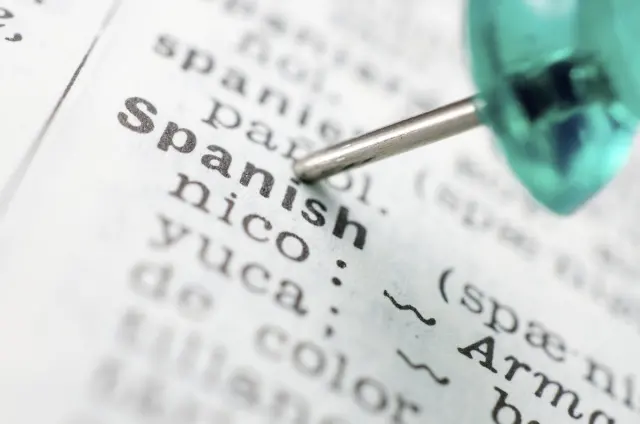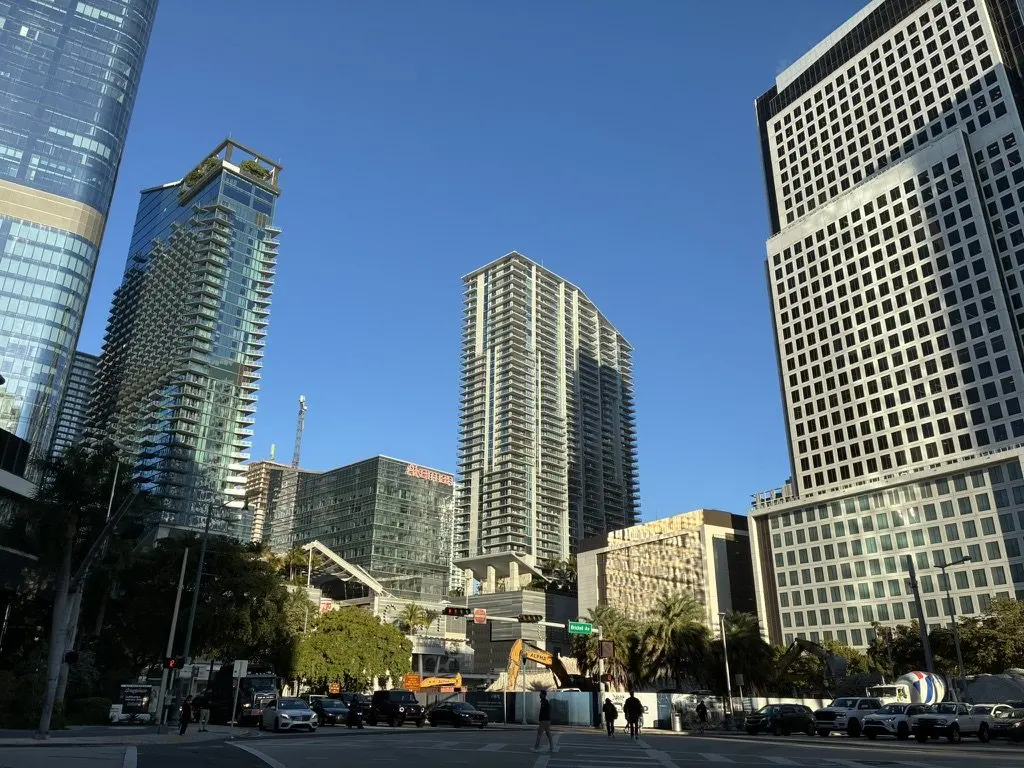
If you've ever heard someone in Miami say they'll "get down from the car" or grumble about making "the line" at the bank, you've brushed up against one of the most interesting language stories in the United States. Linguists now argue that Miami has its own distinctive variety of English — shaped not by error, but by sixty-plus years of Spanish living alongside it at full institutional strength.
The research comes from Dr Phillip M. Carter at Florida International University, who says the local English vowel system, grammar patterns and vocabulary have been quietly restructured by Spanish. The key mechanism is the calque — a word-for-word translation that keeps Spanish logic while wearing English clothes. So "bajarse del carro" becomes "get down from the car", and "hacer la fila" becomes "make the line". Crucially, these aren't quirks of first-generation immigrants: second- and third-generation Miamians, including native English speakers with no Latin American roots, say them without blinking.
What makes Miami different from most American cities is status. After the post-1959 waves of migration from Cuba, Spanish became the language of commerce, local government and elite social life — not a marginal tongue pushed to the fringes. That flipped the usual assimilation script: instead of Spanish fading into English, Spanish structures reshaped the local English itself.
Not every linguist agrees on the label. Dr Andrew Lynch of the University of Miami argues Miami English is best understood right now as a sociolect — the speech of second- and third-generation Hispanic Americans whose first language is English — rather than a full regional dialect like New York or Southern English, since other communities in the city don't share all its features. Whether it graduates to full dialect status may depend on whether fourth- and fifth-generation locals keep those Spanish fingerprints in their English.
Why should a traveller care? Because language is culture you can hear. Visiting Miami and picking up on these phrases is a window into a genuinely hybrid city — Cuban cafecito culture in Little Havana, Haitian Creole in Little Haiti, Venezuelan and Colombian flavours in Doral and Kendall. Understanding that Miami's way of speaking is a point of pride, not "broken English", makes the city a lot more rewarding. There's also a social dimension: researchers and writers like novelist Ana Menéndez point out that studying these speech patterns helps strip away old prejudices about accents, a small but meaningful shift for anyone who's ever been corrected for how they talk.
So next time you're in South Florida, listen closely at the ventanita. You're not just ordering a colada — you're eavesdropping on the birth of a regional identity that exists nowhere else in the English-speaking world.
Story via Colombia One.